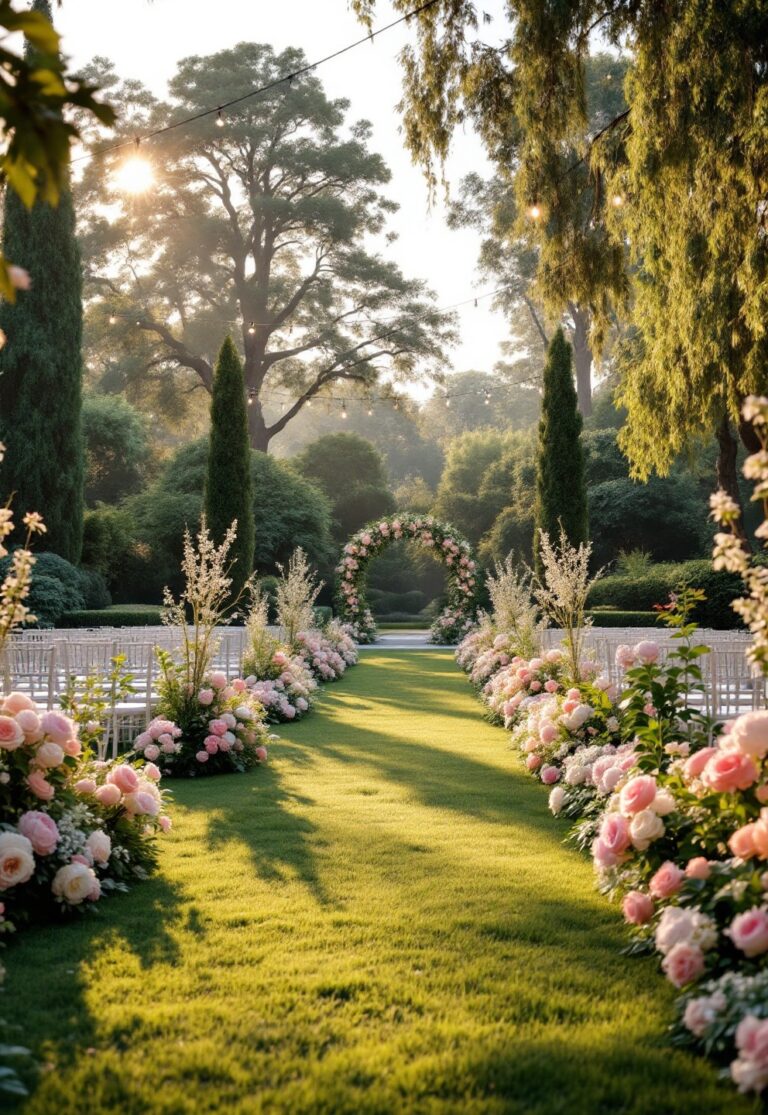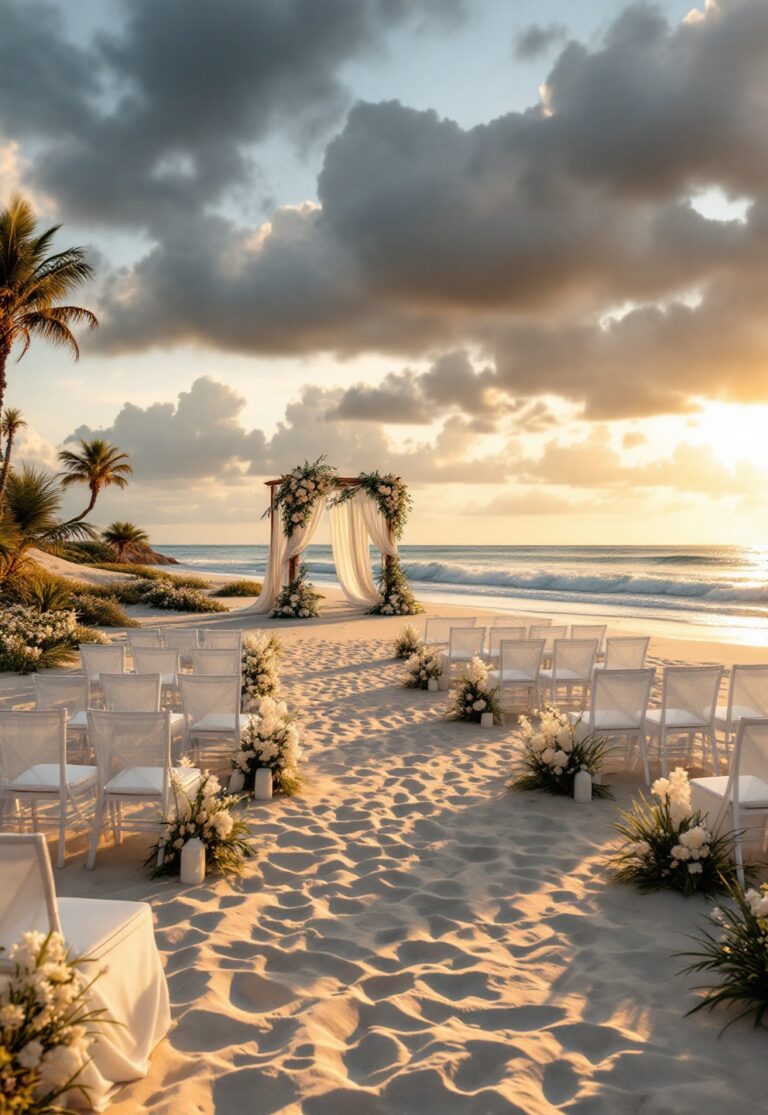

- Market snapshot — why outdoor wedding venues are booming
- What couples are choosing — top venue types and motivation
- Typical cost ranges by outdoor venue type
- The true cost of going outdoors — hidden infrastructure & fees
- Weather risk mapped — regional realities & plan B
- Contingency playbook — tents, contracts, and decision points
- Insurance, liability & vendor responsibility
- Guest comfort & accessibility strategies
- Power, technical & logistics playbook
- Permits, noise rules, and neighborhood relations
- Styling and décor trends that work outdoors
- Underreported topics — seven deep dives current articles miss
- Practical booking timeline & decision checklist
- Quick decision matrix — bare site vs hybrid venue
- FAQs
Market snapshot — why outdoor wedding venues are booming (2024–2026)
Outdoor wedding venues have moved from alternative to mainstream: by 2026, outdoor sites like gardens, barns, and beaches account for roughly 65% of U.S. weddings (industry source). The global wedding venue service market is projected to reach USD 250.52 billion by 2026, with demand driven by couples’ preference for open air wedding venues, experiential travel, and sustainability (source).
- Nature-forward celebration: 28% of couples now opt for outdoor garden ceremonies, valuing the organic backdrop for photography and guest experience.
- Sustainability: 36% choose eco-friendly/sustainable locations, a trend overlapping with outdoor sites.
- Hybrid & destination growth: Destination weddings (typically outdoors) are surging, projected at 14.9% CAGR through 2030.
- Multi-day rentals & hybrid venues: All-weekend bookings—rehearsal, ceremony, brunch—are common at nature venues, with hybrid indoor/outdoor spaces now a “core differentiator” for resilience and weather flexibility.
What couples are choosing — top venue types and motivation
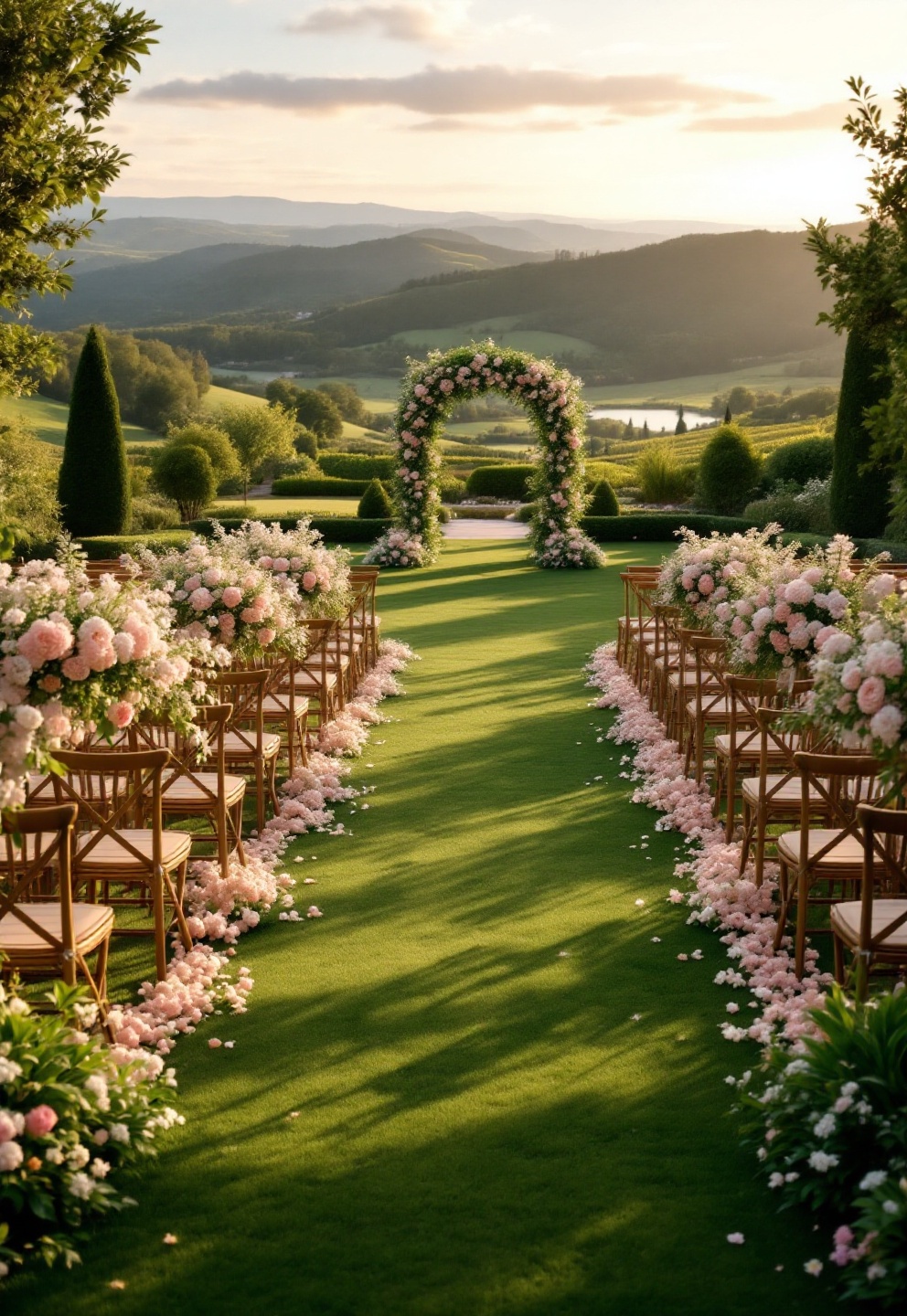
The most in-demand al fresco wedding locations reflect more than just scenery. Couples cite the following as reasons for going open-air:
- Garden ceremony venues — #1 choice. Loved for natural light, landscaping, and “ready-made décor.”
- Barns/farms/ranches — for rustic romance and built-in character. Often double as reception site.
- Vineyards and wineries — offer immersive scenery and gourmet guest experiences.
- Resort/beachfront estates — ideal for destination and multi-day events.
Photogenic settings, environmental values, and a desire for unique guest memories are common motivators. In 2026, couples increasingly “book for the backdrop”—focusing their spend on the venue and photography above other categories (industry analysis).
Typical cost ranges by outdoor venue type (site fee + basics)
How much do outdoor wedding venues cost? U.S. couples spend an average of USD 36,000 per wedding in 2026, ~27% of which goes to the venue—so roughly USD 9,500–10,000 on the site itself (source).
| Venue type/scenario | Typical rental range |
|---|---|
| Public gardens, park permits (ceremony-only) | USD 500–3,000 |
| Private gardens/small estates | USD 3,000–10,000 |
| Barns/farms/ranches (with reception) | USD 5,000–15,000+ |
| Resort-style outdoor venues | USD 10,000–25,000+ |
| Destination beachfront/vineyard villas | Often much higher (multi-day minimums and on-site catering required) |
“Luxury” destination outdoor venues often exceed these bands, especially with on-site catering, room blocks, or multi-day events.
The true cost of going outdoors — infrastructure, hidden fees & total cost of ownership
Outdoor wedding venues often appear affordable until you factor in what nature doesn’t provide:
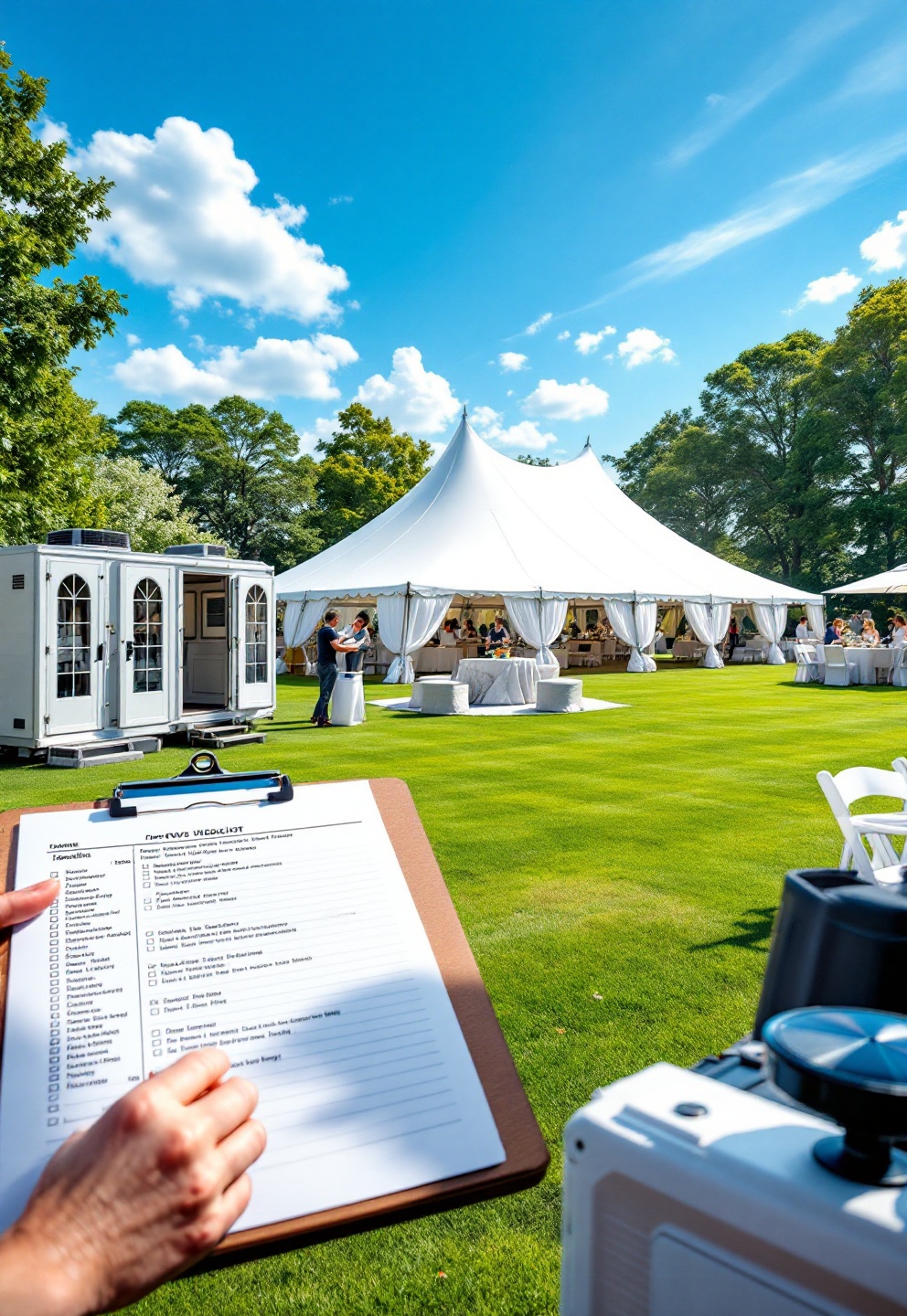
- Tenting: Weather back-up or full coverage runs USD 3,000–12,000+ (flooring, sidewalls, HVAC, lighting extra).
- Flooring & dance flats: USD 750–3,000 for even, safe surfaces.
- HVAC (fans/heaters): USD 250–2,000+ depending on season and scale.
- Generators & electrical: USD 800–2,500, especially at remote sites.
- Restrooms: Premium models (trailers with sinks/AC) cost USD 1,000–3,500 per event.
- Shuttle/parking: May need USD 500–2,500 budgeted for transport.
- Extra staffing: Setup, cleanup, security for open grounds adds USD 500–1,500.
Bare site vs. all-inclusive: Bare outdoor venues can quickly exceed the cost (and effort) of hybrid or “all-inclusive” venues when infrastructure is tacked on. Couples often pay for both an outdoor plan and a back-up—doubling some spend.
Weather risk mapped — what to expect by season and region (and why you need plan B)
The biggest operational hurdle for outdoor wedding sites is unpredictability. Here’s how to think about seasonal and regional risk:
- Rain/storms: Likelihoods vary by region—New England averages 2–4” rainfall/month in May, while Arizona is nearly dry. 36% of outdoor venues report weather-limited operations.
- Heat/cold: Summer outdoor weddings are most in demand (47% booked in summer), but July–September in the South or Southwest can mean unsafe heat. Mountain regions can see freezing temps by September.
- Wind: Open beach or field venues face tent instability (always specify wind-rated tents of 60+ mph for safety).
- Mud/flooding: Spring and fall can challenge transport and accessibility for remote, unpaved sites.
Always match your date and location to a historical weather dataset (your county’s climate summaries) before booking. Even “shoulder season” dates require a plan B.
Contingency playbook — contracts, tent reserves, and critical deadlines
For true risk management at open air wedding venues, detail every what-if in your contracts:
- Force majeure and weather clauses: Explicitly state refund/reschedule rules for rain, wind, heat, and government bans.
- Backup-space/tent reservation: Is an indoor space automatically included? Does the tent need to be reserved (and paid for) up front or “activated” with weather?
- Decision window: Standard contracts set a switch deadline (e.g. 48 hours before start time) for activating Plan B, since tent installs and vendor moves take time.
- Activation fees and nonrefundable retainers: Know what costs you’ll incur if you call the backup plan, even at the last minute.
Pro tip: Ask for a sample contract with all terms before you sign. Consider adding custom language for clarity—see our outdoor event venue hire checklist for prompts.
Insurance, liability & vendor responsibility — who pays for what when it rains (or worse)
Many couples don’t realize event insurance is even more critical for outdoor weddings—the venue’s policy rarely covers weather impact, vendor mishap, or guest injury:
- Event Liability/Host Insurance: Covers property damage/injury. Required for most public sites; USD 200–500 for one-off policies. Document as a contract condition.
- Weather insurance: Policies can reimburse non-refundable costs if weather cancels or curtails the event, but these are more niche/expensive (USD 250–1,500+) and difficult to claim—review all exclusions.
- Vendor insurance/endorsements: Require all vendors (caterer, tent, entertainment) to provide proof of insurance. Request the venue and couple as “additional insured” on the policy for the event day.
Assign clear responsibility for weather-related equipment damage: Some tent and rental contracts pass all risk to the client. Make sure your force majeure and weather-damage clauses are compatible.
Guest comfort & accessibility strategies for al fresco wedding locations
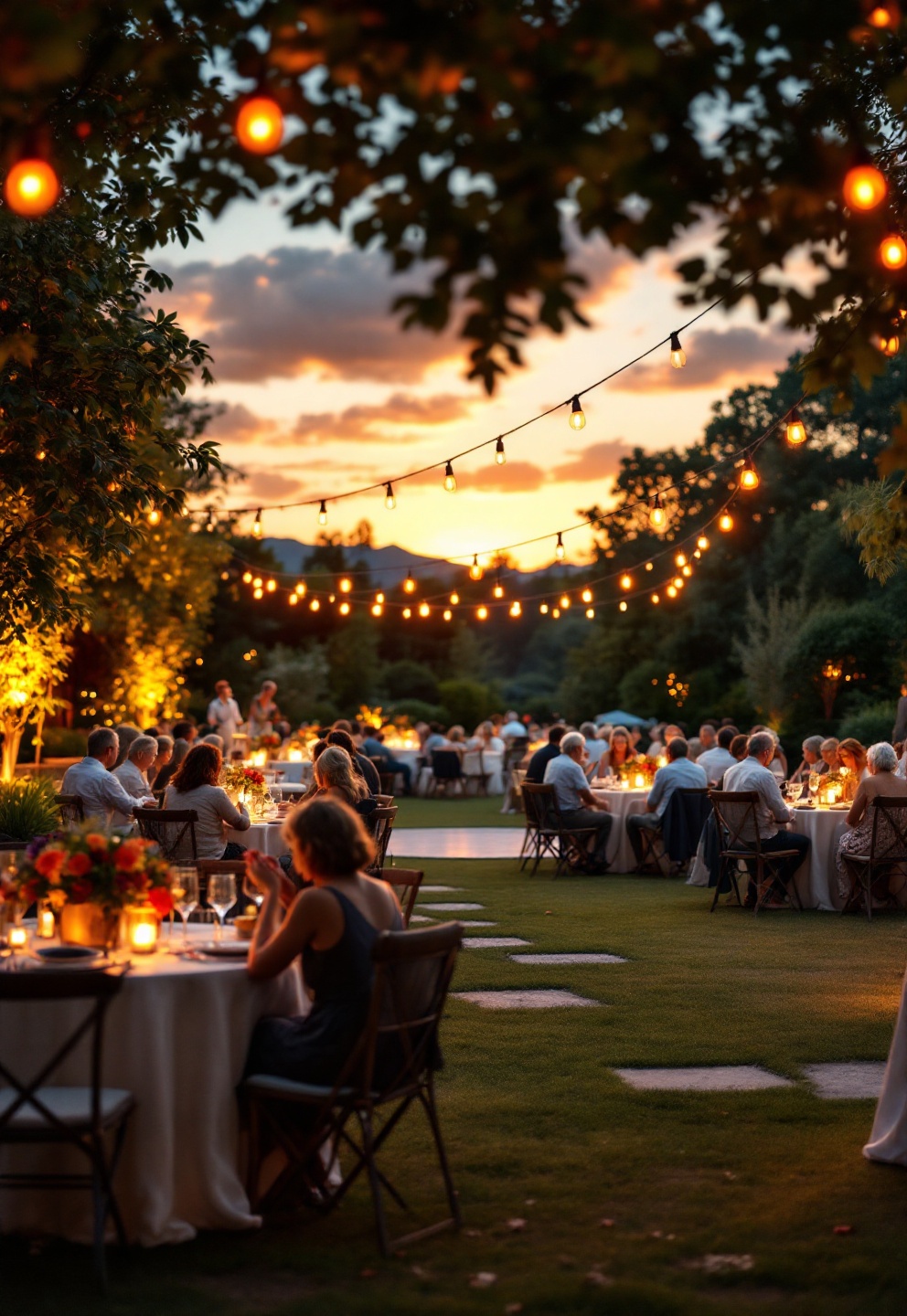
Guest experience is now a critical reason couples select outdoor wedding sites (industry commentary). But actual comfort requires careful planning:
- Shade and shelter: Provide umbrellas, canopies, or rent shade structures for midday ceremonies. Hydration stations for summer are a must.
- Seating & surfaces: Rent sturdy chairs, stable flooring for muddy or grassy settings. Padded folding chairs help elderly guests.
- Signage & wayfinding: Clear route markers and lighting for paths and restrooms—especially for dusk events.
- Accessibility: Grade, pave, or cover main walkways for wheelchair and mobility support; seat older/disabled guests closer to the aisle and bathrooms. Request accessible restrooms.
- Restroom access: Premium trailer units are best for comfort and cleanliness, especially at remote or field venues.
For more ideas on inclusive and immersive setups, see the immersive landscape wedding playbook or our eco-friendly event decor rental guide.
Power, technical & logistics playbook — how to avoid event-day disasters
Unlike fixed halls, many open air wedding venues require you to build your own infrastructure.
- Power budgeting: Tally wattage for all lighting, kitchen/catering, band/DJ, and climate systems. Weddings often need 5,000–15,000+ watts—much more than a portable generator’s default.
- Generator sizing: Overspec to allow for last-minute vendor load (especially with lighting/dance bands). Rent quiet models and locate downwind/away from dinner/ceremony.
- Load-in, setup & breakdown time: Outdoor setups might require a full day or more, especially larger tents or hardscape flooring. Allow for multiple vendor site visits and confirm site supervision.
- Redundancy: Always have power backup (second generator, battery lights) for emergencies. Weather-tested cabling and all-weather extension cords are critical for safety.
Remote venues = more vendor delivery fees and larger rental minimums. For advanced technical planning, see industry research and consult with both planner and rental vendor early.
Permits, noise rules, environmental limits and neighborhood relations
Most outdoor wedding sites, especially public parks or beaches, bring extra permits and regulation:
- Event permits & insurance: Mandatory for many city/county-owned properties. Some require security or additional restroom provision based on guest count.
- Noise restrictions & curfews: Most areas restrict amplified music after 9–10 pm. Outdoor sound travels farther—plan band/DJ placement strategically and comply with decibel limits.
- Fire/open flame bans: Check state/local fire authority rulings for candles, tiki torches, or pyrotechnics—especially in drought-prone regions.
- Environmental restrictions: Some outdoor sites ban rice confetti, real petals, or taping décor to trees. Always review site-specific lists in the permit packet.
- Neighbor engagement: Farm, vineyard, residential adjacent venues may require advance letter drops or even neighbor sign-off for parking/noise mitigation. Ask your venue if neighbor relations have been an issue in the past.
Do not sign without reviewing a full permit requirements and use-of-grounds rules. Planning an outdoor wedding requires more legal and regulatory diligence than a traditional hall.
Styling and décor trends that work outdoors (photogenic + sustainable)
For outdoor wedding venues, successful styling works with the landscape, not against it:
- Minimal arbors or ceremony frames — Don’t hide the view; frame it with simple wood, steel, or florals. (For more, see sculptural floral installation ideas.)
- Locally sourced florals and reusable décor — Use ground-level “meadow” tablescapes, potted or rental plants, and recycled or rental linens to minimize waste. (Meadow style tablescape guide)
- Fairy lights in trees — Fairy lights in trees, lantern-lit pathways, and solar or LED accent lights create magic for sunset events. See ideas in romantic wedding lighting inspiration.
- Nature-immersive lounge setups — Create seating clusters under trees or beside water for socializing and photos.
- Intentional signage and unplugged ceremonies — Set the tone with conscious design and keep devices stowed during the vows.
Tip: Consider sustainability in every styling choice—from vendor selection to floral sourcing. See eco-friendly event decor rental for more.
Underreported topics top-ups — seven deep dives current articles miss
To truly “own” your outdoor venue plan, don’t overlook:
- Granular weather analysis: Check regional historic weather data (rain/wind/temp/UV) for your date and set contract triggers accordingly.
- Total cost breakdown: Itemize tenting, flooring, HVAC, restroom, power—beyond site fee. (Use our downloadable budget worksheet.)
- Mapped regulatory frameworks: Ask for compiled noise, fire, alcohol, and permit rules for your zip code—not just “company policy.”
- Accessibility audits: Wheelchair route, elderly seating, and ADA restroom plan—get a vendor walk-through before you book.
- Power redundancy: Detail outlet count, generator backups, and run all equipment by your AV pro months in advance.
- Insurance and contracts: Request template weather, cancellation, damage, and additional-insured language upfront.
- Data-driven guest comfort: Plan for shade, bug control, and hydration based on local climate and event time.
Most blogs gloss these crucial steps. Structured, checklisted planning here prevents expensive mistakes.
Practical booking timeline & decision checklist
Booking top outdoor wedding venues requires early action—prime dates are snapped up up to two years ahead (47% of events in summer).
- 12–18 months out: Research region, shortlist 5–7 venues, request site visits and rough cost breakdown (ask for list of required upgrades, e.g. tent/restroom/power). Pencil-reserve up to 3 dates.
- 10–12 months: Negotiate and lock contract with weather/contingency language; reserve tent or indoor backup window if applicable.
- 8–9 months: Hire caterer, rentals, entertainment (event entertainment guide), florist. Secure event insurance and request insurance docs from vendors.
- 6–7 months: Confirm permit/insurance paperwork, neighbor/outreach steps, and guest accessibility plan.
- 60–30 days: Finalize weather plan B with all vendors. Set contract “decision deadline” for backup activation (typically 48 hours pre-event).
Download a customizable version of this checklist at our outdoor venue checklist.
Quick decision matrix — how to choose between a bare outdoor site and an all-inclusive/hybrid venue
| Factor | Bare Outdoor Site (Parks, Private Land) | Hybrid/All-Inclusive Venue |
|---|---|---|
| Budget | Lower upfront—higher true cost after you add tents, restrooms, power | Higher upfront but more predictable total outlay |
| Guest comfort | DIY comfort features needed (shade, seating, accessibility upgrades) | Expect standard amenities and comfort inclusions |
| Vendor workload | Coordinate 8–12 vendors yourself; more stress | Bundled vendors, planner support typical |
| Weather/logistics risk | Must manage all backup plans, permits, and liability | Built-in contingency with clearer contracts |
| Photo opportunities | Can rival any location, but needs styling effort | Professionally groomed landscapes, existing styling |
| Accessibility | May lack ADA paths and accessible restrooms | Most offer accessible facilities as standard |
Remember: Venue is ~27% of average spend, but cost overruns come when you underestimate infrastructure.
FAQs
How much does an outdoor wedding venue cost?
Expect to pay USD 500–3,000 for simple public parks, USD 3,000–10,000 for private gardens, USD 5,000–15,000+ for barns/farms, and USD 10,000–25,000+ for resort/outdoor estates (site fee only). All-in costs rise quickly if you need to rent tents or other infrastructure.
Is a tent always necessary for outdoor weddings?
Not always—some hybrid venues have built-in covered areas or indoor options. For bare outdoor sites, a tent is highly recommended as a rain/sun/heat backup and may be required by the venue or permit. Most tents must be reserved early and can add USD 3,000–12,000+ to your budget.
When should I buy event insurance for an outdoor wedding?
As soon as you sign the venue contract—and before you reserve major vendors. Many sites (especially public gardens/parks) require proof of insurance for the booking to be valid.
What are the most common noise restrictions at outdoor wedding sites?
Outdoor weddings almost always face curfews (music off by 9–10 pm) and decibel limits set by local ordinance. Confirm restrictions before finalizing your event schedule and contract.