
- How much do garden wedding venues cost in 2024–2025?
- Pricing breakdowns by booking type—ceremony only, combo, full-service
- Sample metro case studies (real pricing examples)
- Hidden fees & total budget checklist
- Top planning pain points—weather, permits, blooms
- What premium botanical garden weddings include
- Seasonal bloom calendar & impact on décor
- How blooms affect lead times & booking strategy
- Top 5 safety & maintenance regulations
- Logistics and guest experience details most guides skip
- Contracts, contingencies, and insurance—what to insist on
- Market trends & booking outlook
- Realistic sample budgets at popular guest counts
- Quick vendor selection scorecard
- Author notes & sources
How much do garden wedding venues cost in 2024–2025?
Modern garden wedding venues—especially in major cities—range from US$2,000 for a simple outdoor ceremony to $15,000+ for sought-after botanical gardens, just for space rental. Most full-scale botanical garden weddings (venue fee, catering, admin/services) land between US$30,000 and $120,000+, depending on guest count, date, and inclusions.
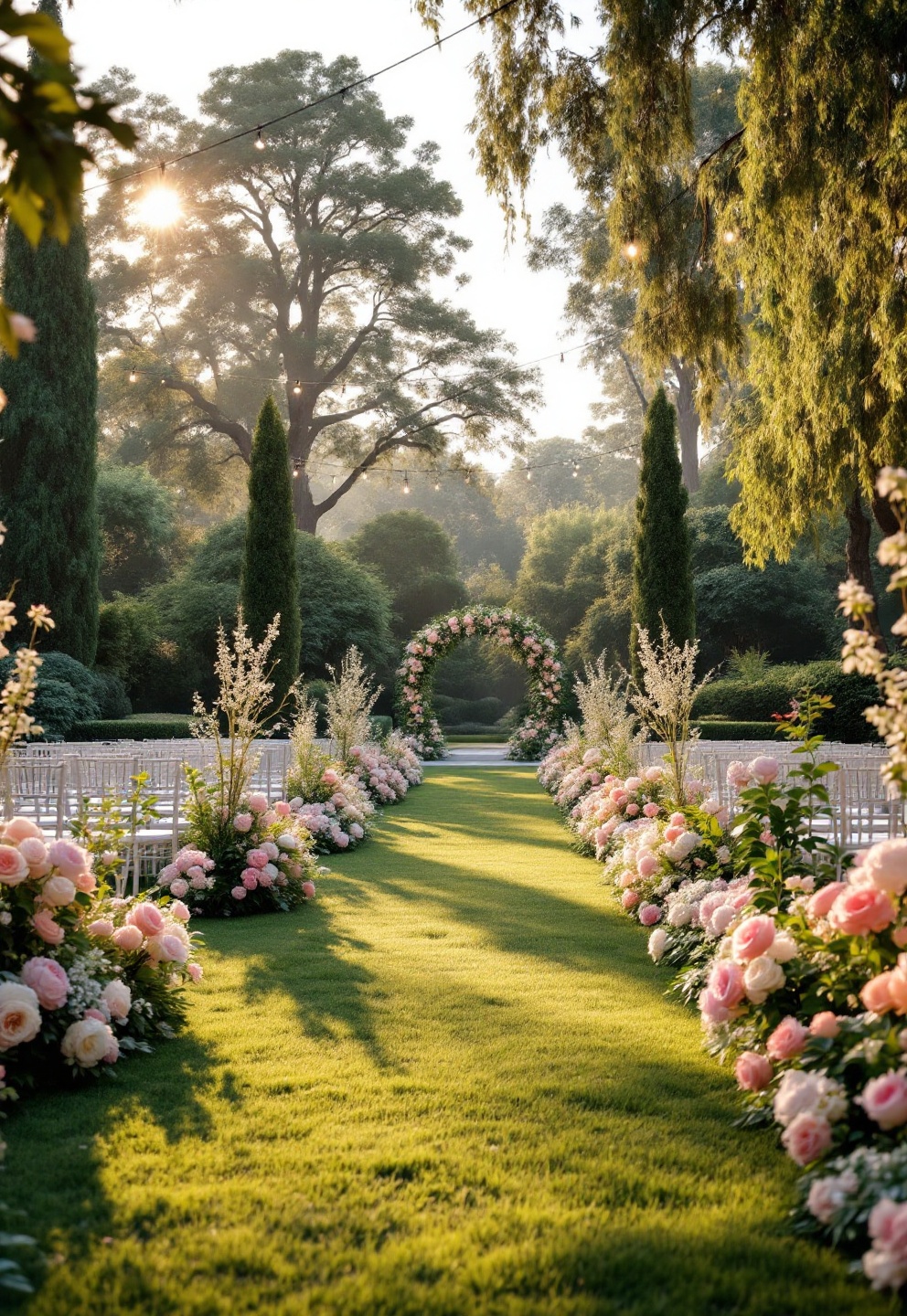
Key variables that shift pricing:
- City & Tier: Higher in NYC, Chicago, San Diego, Toronto vs. regional gardens.
- Time of year: Peak floral months (May/June, Sept/Oct) and Saturdays cost most.
- Type of booking: Ceremony only, ceremony + reception, or all-inclusive with full vendor services.
- Guest minimums: Major gardens often require min. 100–200 guests on weekends.
Sources: Tulle Together, Reddit NYC Weddit.
Pricing breakdowns by booking type—ceremony only, combo, full-service
Ceremony-only (garden ceremony venues):
- Most gardens: US$1,250–$3,500
- Premium city gardens: US$2,500–$12,500+ (exclusive lawns, peak times)
Ceremony + Reception (outdoor garden reception):
- Mid-range: US$4,000–$10,000 for space rental
- Top city spaces: US$8,000–$30,000+
Full-service packages:
- Often US$35,000–$150,000+ once food, rentals, fees are rolled in
- Per-person catering minimums: $230–$280+ (NYBG, Brooklyn Botanic)
- Mandatory surcharges/fees: add 20–35% to headline numbers
Small regional gardens and less competitive markets may be dramatically cheaper, sometimes offering half-day or full-day exclusive garden use under $1,000.
Sample metro case studies (real pricing examples)
- Brooklyn Botanic Garden (NYC): Off-season Saturday evening rental $5,000; peak May/June/Sep/Oct Saturday rental $11,000. June Saturday: 200-guest minimum at ~$265/guest—full event budget easily hits $85–150k. (Reddit)
- New York Botanical Garden (NYBG): Stone Mill package for 80 guests: ~$37,900; Garden Terrace Room for 150: ~$68,000+ (catering minimums $230–$280/pp). Realistic full wedding budget: $50–120k. (Tulle Together)
- Chicago Botanic: Rose Terrace rental $2,000–$4,500, Rose Garden $12,000, Esplanade $30,000 (space only). Total event is higher after food/rentals.
- San Diego Botanic: Lawn House Garden rental: ~$3,000, with more modest overall costs than NYC.
- Toronto Botanical Garden: Garden Hall rental ~$C1,300; mandatory surcharges add ~35% (full event C$2,000–$7,000+ before catering).
- Fort Worth Botanic: Ceremony/reception spaces $200–$2,300; includes basic tables/chairs, rehearsal, photo pass for ceremonies.
- Regional (Ogden, UT): Entire garden, whole day, $800; half-day $400 + $100 deposit. (Facebook user group anecdote)
These benchmarks help anchor your expectations—and prevent sticker shock if you’re moving between markets.
Hidden fees & total budget checklist
Venue rental is just the start—expect additional line costs that quickly stack up for garden wedding venues:
- Service/admin fees (20–25% on catering/venue in NYC/Chicago)
- Taxes (8–10%, can be higher in some metros or provinces)
- Mandatory surcharges (Toronto notes 35% on top of base rental)
- Equipment rentals (tents, fans, heaters, outdoor lighting, upgraded ceremony seating)
- Security, maintenance, cleaning fees (required in most public gardens)
- Deposits & refundable bonds (often 50% at booking, final due 30–60 days out)
- Event insurance (required in most contracts; sometimes $300–$1,000)
- Weather contingency budget—reserve at least 10–20% for unplanned tenting or indoor backup fees
TIP: When mapping your total budget, add up venue fee, catering minimums (multiply by your guest count), plus the above items—then add 20% for inevitable extras.
Top planning pain points—weather, permits, blooms
Garden and botanical garden weddings are uniquely beautiful but can introduce some real logistical headaches:
- Weather risk: Rain, wind, or summer heat can disrupt outdoor plans. Many gardens restrict tent size or staking, and backup indoor sites are often limited in size versus guest count.
- Permits & usage rules: Strict access windows (after public hours), curfews, and tight load-in/load-out times. Many require approved or exclusive caterers, and even charge for separate photography permits.
- Unpredictable blooms: Natural beauty is variable—peak cherry blossom or rose timing can slide by weeks due to weather. You can’t control what’s blooming where on your date.
Mitigation checklist:
- Secure event insurance and understand your rain contingency plan—both with your venue and key vendors.
- Review all vendor and décor restrictions upfront (no vehicles on lawn, no confetti, open flame, outside flora, etc).
- Ask for the garden’s bloom calendar and coordinate with photographers to ensure your key portraits hit the best backdrops.
- Budget extra for plan B: tent, fans/heaters, indoor overflow, extra shuttles.
For practical tips on immersive outdoor logistics, visit our outdoor venue checklist.
What premium botanical garden weddings include
Why do flagship venues charge $10,000+ just for the lawn? Here’s what’s included—and what you’re paying for:
- Access to iconic, curated landscapes (glass conservatories, specialty gardens, historic terraces)
- In-house catering with elevated menus and higher staff ratios—minimum $230–$280+/guest in NYC through exclusive partnerships
- Dedicated event coordinators or venue monitors, managing both guest experience and rule enforcement
- Exclusive photo access to scenic areas and staff-managed portrait sessions
- Well-maintained grounds, regular floral installations, and backup indoor lounges or cocktail rooms
- Strong accessibility infrastructure (ramps, paved walkways, on-site restrooms) for large events
Budget venues often offer the space alone, sometimes just a mowed lawn and restrooms—with you responsible for most logistics.
Seasonal bloom calendar & impact on décor
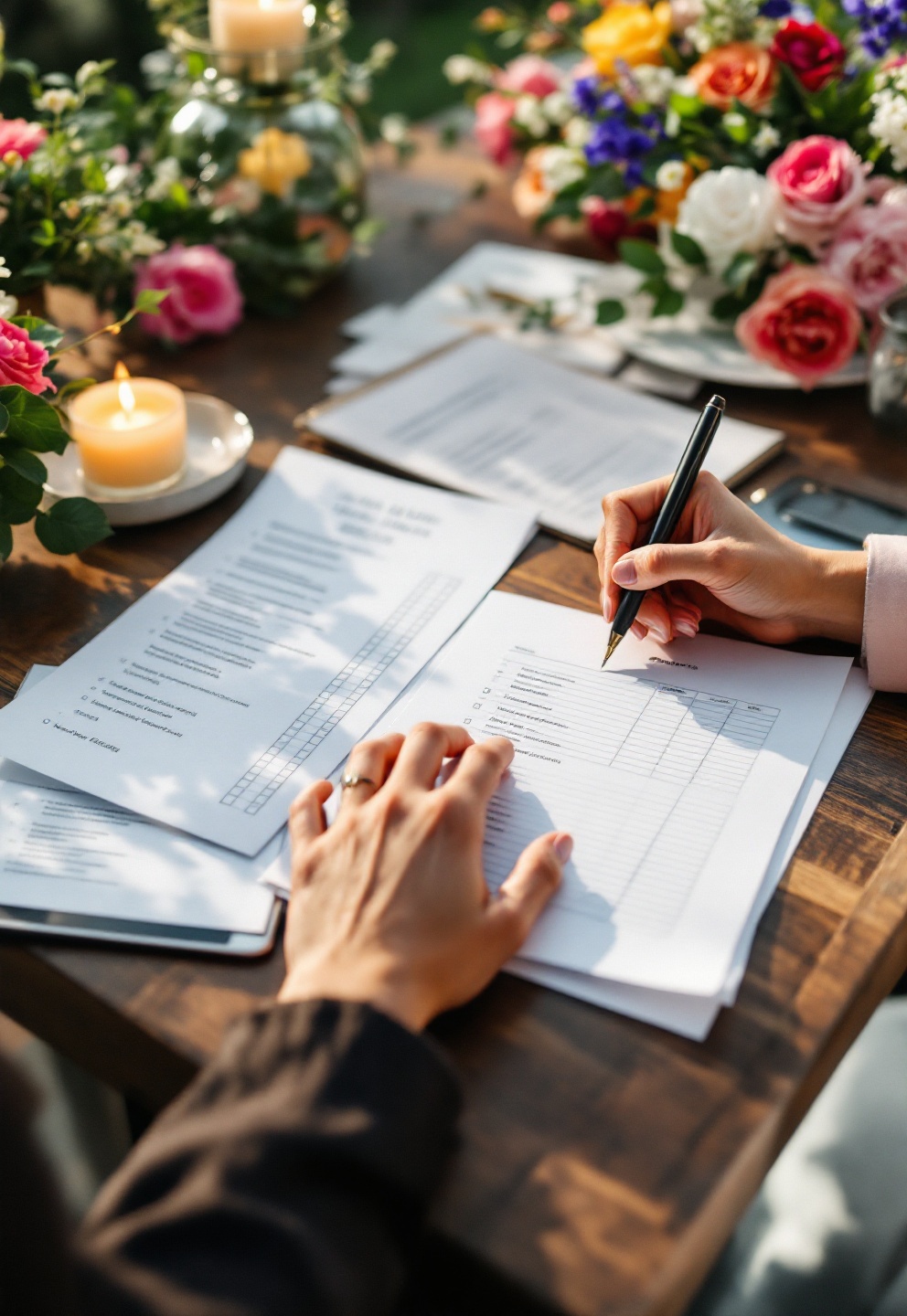
Most wedding gardens in North America follow this general bloom schedule:
- March–April: Early bulbs (tulips, daffodils), magnolias, cherry blossoms—often the most photogenic but also prone to spring rain.
- May–early June: Peak roses, peonies, lush perennials. Highly competitive dates.
- June–August: Mixed perennials, water lilies, rich green foliage; fewer showstopper blooms, more heat.
- September–October: Last wave of dahlias, late perennials, autumn color.
Impact on décor: During peak blooms, you can cut back on imported florals and let the garden’s beds shine. Off-peak, budget more for florists to supplement the garden, as certain beds may be empty or out of season.
For design inspiration that works with your bloom window, see our meadow tablescape guide and sculptural floral installation explainer.
How blooms affect lead times & booking strategy
- Prime bloom Saturdays—especially cherry blossom, rose, and peony season—can sell out 12–18 months+ in advance.
- Gardens charge higher minimums (guests/spend) during peak bloom (Apr–Oct), with budget-friendly slots heavily clustered in late fall and winter.
- If your date is flexible, consider shoulder-season Fridays/Sundays, or off-season months to save $5–10k+ and gain looser rules on minimums.
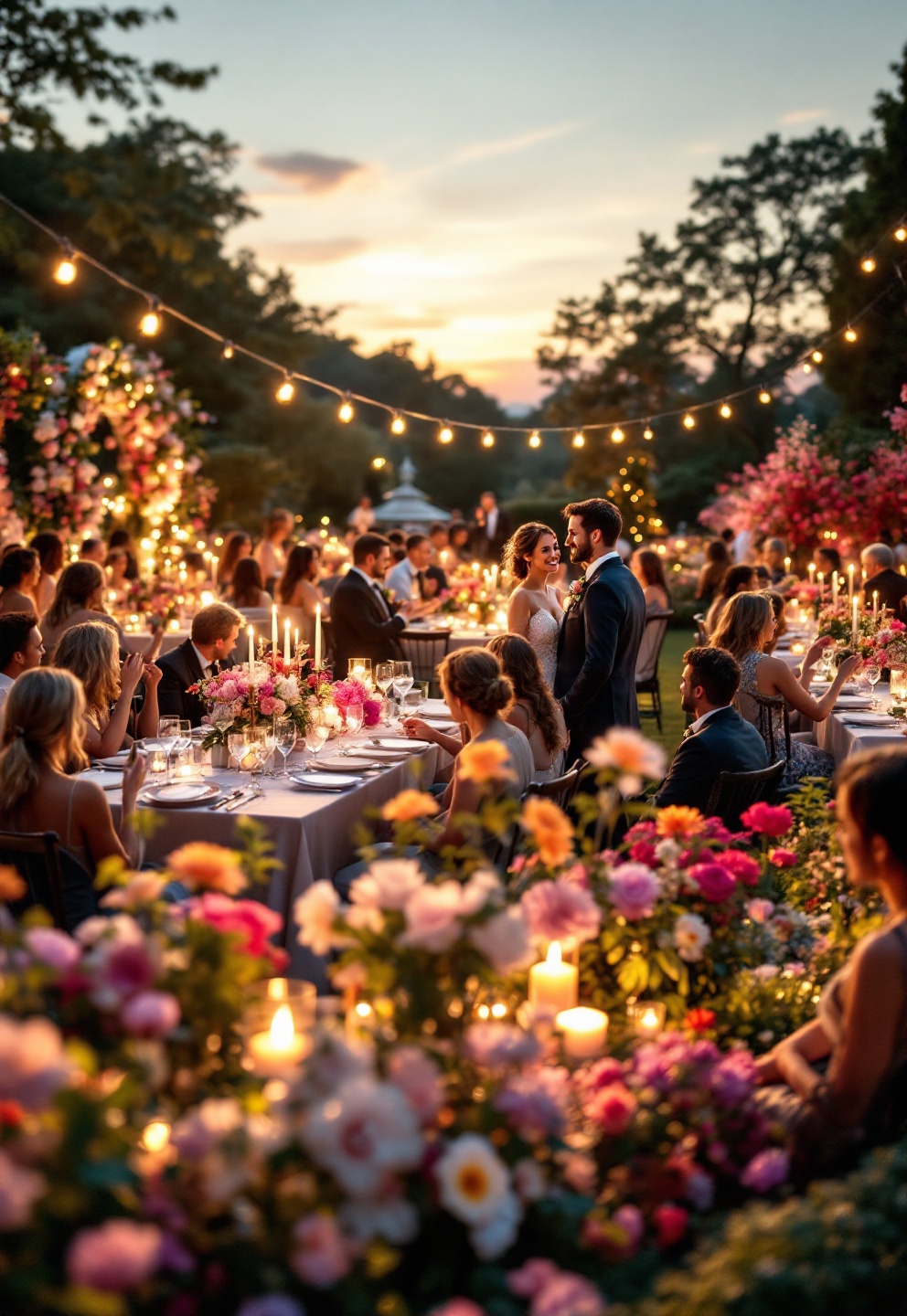
Tip: As soon as you know you want a garden venue for peak bloom, start discussions (and site visits) the year before—otherwise you risk being boxed into less ideal spaces or rainier dates.
Top 5 safety & maintenance regulations
Garden venues protect their grounds and guests with strict operating rules:
- Plant protection: No vehicles or heavy equipment on turf, no tent stakes piercing roots. All décor must leave beds untouched.
- Open flame/fire control: Candles may be restricted to enclosed vessels; no fireworks, bonfires, or sparklers.
- Occupancy/pathway safety: Guest headcount caps by area, no blocking paths or exits, and crowd flow enforcement.
- Environmental protection: Only biodegradable confetti (if any); strict cleanup of all rental and floral waste.
- Vendor conduct & insurance: All vendors must show proof of insurance, adhere to load-in/out schedules, and in some cases, be on a preferred list (especially for catering and décor).
Ignoring these can result in fines, loss of deposit, or future event bans.
Logistics and guest experience details most guides skip
Competitor articles rarely cover these critical operational realities for garden ceremony venues and outdoor garden receptions:
- Load-in/load-out: Some gardens require 10–15 minute walks (with gear) from parking to the ceremony spot—vendors may need carts or staff help.
- Cart/elevator availability: Are there on-site vehicles? How many loads? Will elderly guests need a shuttle?
- Parking/drop-off: On-site space is often limited; street parking may be blocks away, so plan for shuttles or ride-shares at scale.
- Restrooms: Not all garden sites have enough bathrooms near every ceremony or dining space—ask for a map or budget for upscale portables if far away.
- Accessibility: Check ADA routes between ceremony, cocktail, reception. Steep paths or steps can bar guests with limited mobility.
- Signage & navigation: Very large gardens often lack event-specific signage—guests can get lost between buildings and lawns; custom wayfinding may be needed.
- Shade, hydration, seating: Summer events require shade structures and water; many gardens don’t provide this by default.
- Vendor expertise: Not all DJs, planners, or rental companies have worked botanical venues; prioritize those who know the rules and coping strategies.
For more, see our nature-driven wedding logistics tips.
Contracts, contingencies, and insurance—what to insist on
Always review critical contract language before committing:
- Weather rescheduling/relocation: Is there clear language for rain-outs or heat emergencies? What are the cutoff times for decisions?
- Cancellation/refund: Are deposits refundable past certain milestones? Any partial refunds for force majeure?
- Vendor insurance minimums: Are all vendors required to provide $1M+ liability insurance? Is event insurance included or separate?
- Emergency remediation: Are you liable for unexpected landscape/equipment damages? How are such costs adjudicated?
- Payment schedule and penalties: 50% deposit at booking is common (Toronto); always confirm dates and any late/overage fees.
If you’re comparing venues, ask to see a sample contract up front.
Market trends & booking outlook
- Premiumization continues: Per-person minimums and facility fees are up 10–30% vs. pre-2022 at most city gardens, fueled by ongoing demand for outdoor, Instagram-worthy spaces.
- Full-service integration: More botanical gardens now require exclusive in-house catering and vendor lists, shifting from space-only to end-to-end event providers.
- Segmented market: Luxury venues fill prime weekends; yet mid-range and budget-friendly options (regional gardens, off-peak slots) remain accessible for determined planners.
- Bloom-season dynamic pricing: Gardens set the highest pricing/minimums for April–June and September–October, with faster demand-driven sell-out.
Realistic sample budgets at popular guest counts
For high-demand US/CA metro markets (pricing in US$ for reference):
Case 1 – 100 guests (mid-range garden)
- Venue rental: $4,000
- Catering (est. $250/guest): $25,000
- Admin/service fees (25%): $7,250
- Rentals (tent, decor): $6,000
- Contingency (10%): $4,000
- Total: $46,250
Case 2 – 150 guests (premium garden)
- Venue rental: $11,000
- Catering (est. $265/guest): $39,750
- Mandatory fees (35%): $17,890
- Rentals: $8,500
- Contingency: $7,500
- Total: $84,640
Case 3 – 250 guests (luxury, peak bloom)
- Venue rental: $30,000
- Catering (est. $275/guest): $68,750
- Mandatory fees (35%): $34,563
- Rentals: $15,000
- Contingency: $15,000
- Total: $163,313
Always confirm current rates with each venue—these are real benchmarks but fees move seasonally.
Quick vendor selection scorecard
Before booking, ask your garden ceremony venues and main vendors:
- What are the earliest/last load-in/out hours?
- What are your tenting and staking policies?
- Are we required to use your caterers or other preferred vendors?
- What power sources (and amperage) are accessible at each area?
- Are photo sessions and rehearsals included, or do we need permits/passes?
- Do you supply an event attendant/monitor? Are they dedicated to our group?
- What’s your inclement weather/emergency plan?
- What’s the deposit and cancellation/refund policy?
Having these answers up front saves you cost and last-minute chaos. And for specialty décor ideas that fit garden venue rules, browse our sensory wedding design guide.
Author notes & sources
Data in this guide is based on published 2024–2025 rates and real couple discussions. Sources include:
- Tulle Together – major US garden pricing survey
- Chicago Botanic official venue pricing
- San Diego Botanic venue guide
- Reddit NYC Weddit and user budgeting experiences (Brooklyn Botanic, NYBG)
- Toronto pricing analyses
- Venue sites and recent user bookings (2024–2025). Numbers older than 2024 flagged for re-verification prior to final publication.
When is the cheapest time to book a garden wedding venue?
Off-season months (November through March) are lowest in cost, with many gardens offering reduced rental rates and guest minimums. Peak bloom dates (May–June, September–October) carry the highest rates and book farthest in advance.
Can you bring your own caterer or florist to a botanical garden wedding?
Usually not at major botanical gardens—exclusive or approved caterers are the norm for food and rentals, and many limit outside florists as well (due to pest risks and garden protection rules). Some smaller regional gardens are more flexible.
Do garden wedding venues require event insurance?
Yes, the vast majority require couples and all vendors to provide proof of event liability insurance, often with $1 million+ coverage. Some venues even require a separate rider for weather contingency or property damage.
What’s the best way to handle a rain plan for an outdoor garden reception?
Clarify early with your venue if indoor backups are included, if tenting is permitted (and under what conditions), and what fees or refunds apply to last-minute weather pivots. Always keep funds in reserve for extra tent, flooring, or heater rentals just in case.
—