
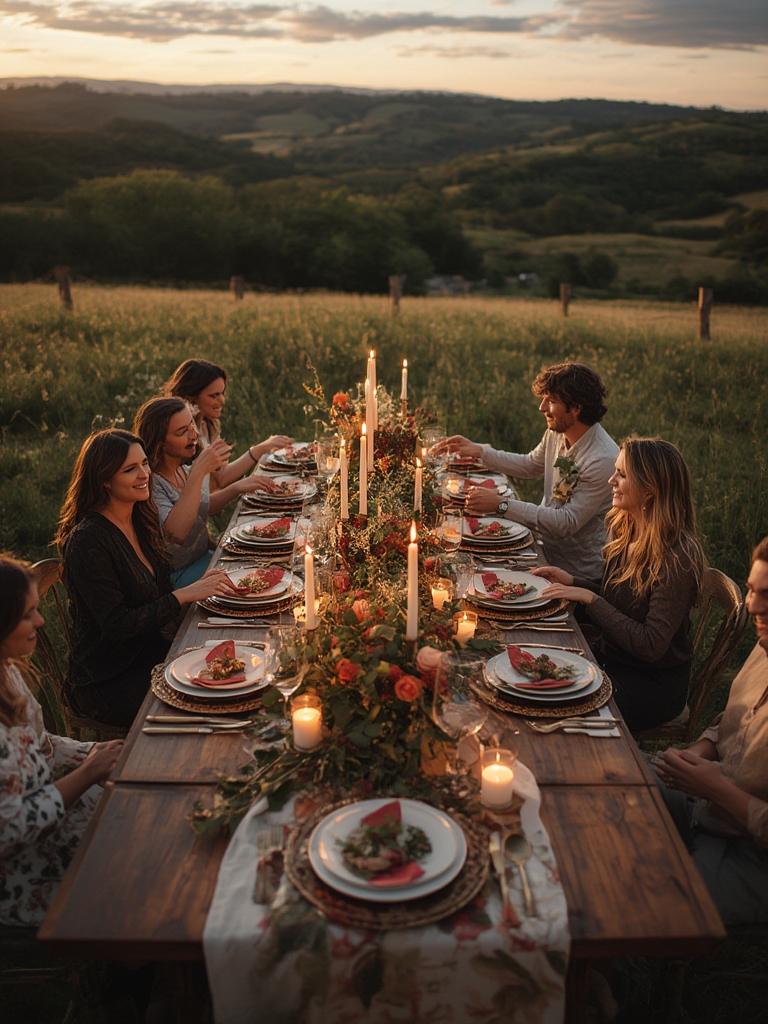
Meadow style tablescape design is transforming 2026 weddings by bringing a wild, natural floral look directly to the dining table—an approach couples and designers are embracing for its immersive, guest-friendly atmosphere.
Key Takeaways
- Meadow style tablescapes use seasonal, wild-inspired flowers and low centerpieces for a fresh, conversational event setting.
- Installation and longevity can pose challenges without proper planning, but new 2026 techniques and sustainable sourcing make it easier and more affordable.
- Few guides exist on real budgeting, installation, and ethical sourcing—this post includes actionable steps and solutions.
- What is a Meadow Style Tablescape?
- How to Create a Meadow Style Tablescape: Step by Step
- Advanced Analysis & Common Pitfalls
- Conclusion
- FAQ
What is a Meadow Style Tablescape?
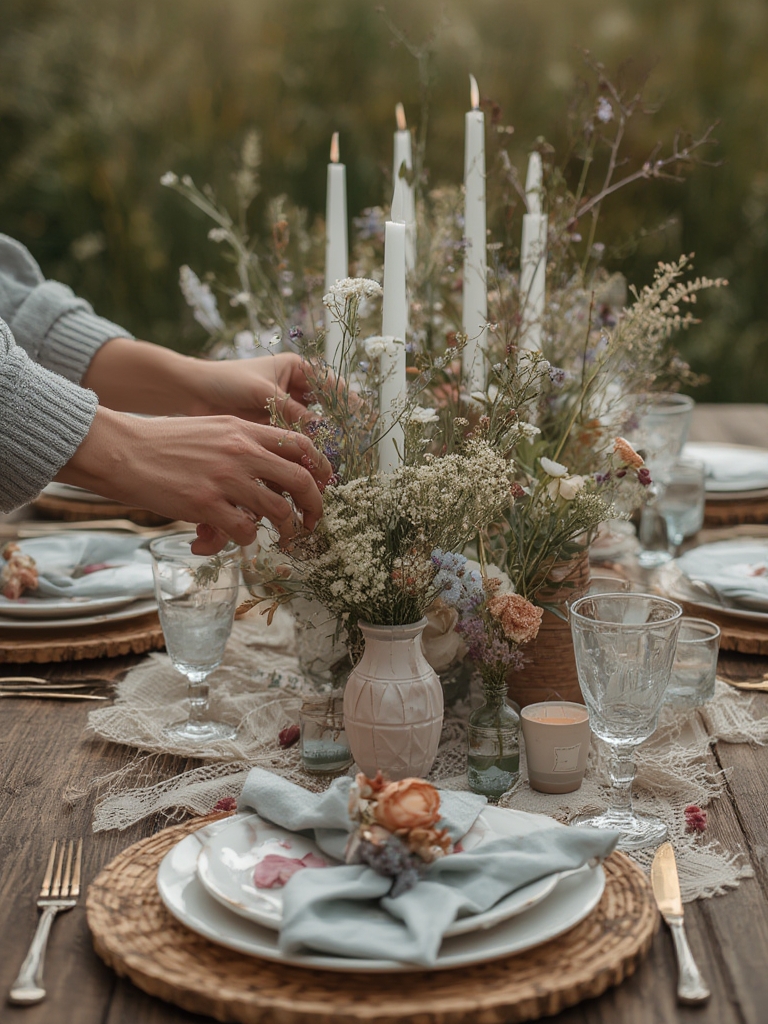
At the heart of the meadow style tablescape trend is the shift away from rigid, traditional centerpieces. Instead, florals sprawl across the table in loose, botanical arrangements that mimic real meadows. Vibrant and organic, these designs typically use a mix of seasonal flowers, grasses, foliage, and even edible items, blending colors and textures in low-profile displays. This look draws heavily from the “meadowcore” movement and is now among the top 2026 wedding trends according to industry predictions.
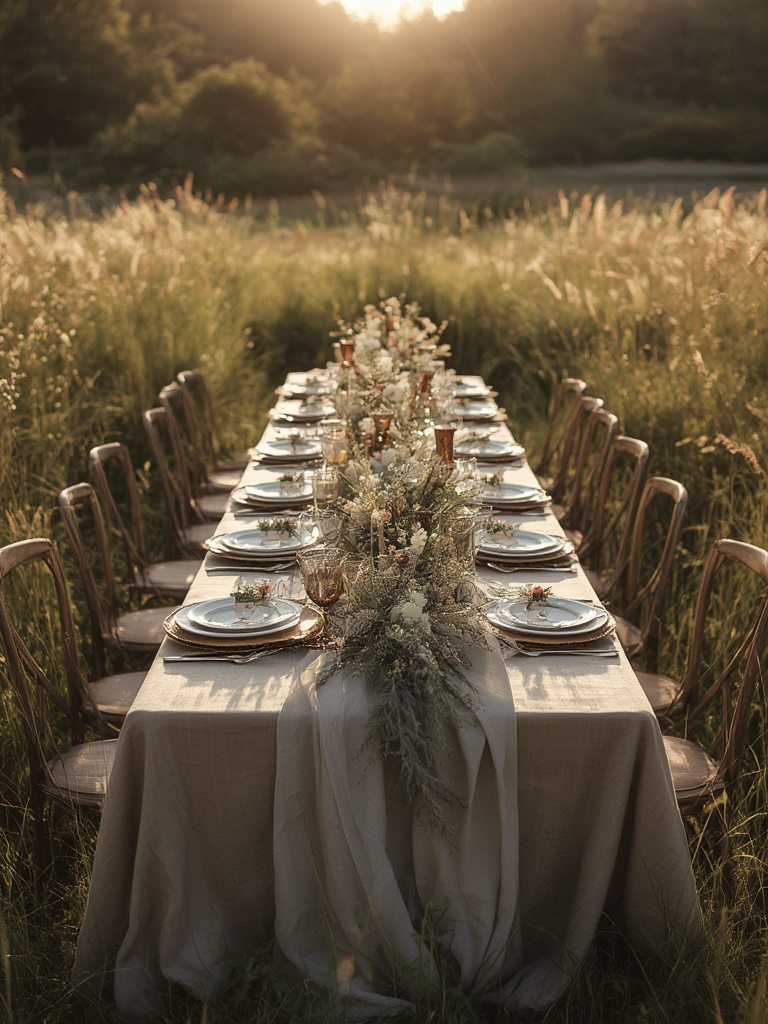
The advantage? Guests can see and talk across the table with ease. Couples wanting a connection to nature or an “immersive” event feel—sometimes inspired by sensory wedding ideas—love the naturalism and effortless style. As formal events evolve, demand for less-manicured and more editorial tablescape designs has grown rapidly [see 2026 predictions].
Florists now combine roses, lisianthus, hydrangeas, and wildflowers with layered greens, dried textures, and even fruit for an abundant yet practical result. But successful meadow style tablescapes depend on more than just picking flowers; installation, sourcing, and budget must all be considered.
How to Create a Meadow Style Tablescape: Step by Step
Below is a realistic, actionable guide to designing your own meadow style tablescape for weddings or special events. This covers sourcing, mechanics, styling, and advanced cost-saving strategies.
1. Plan Your Color Story and Table Layout
Decide on your colors, taking cues from the season, venue lighting, and your wedding theme. Trend-forward combinations for 2026 include yellow with plum, orange with muted pink, or soft pastels for a fresh look. Are you working with traditional banquets or looking for something sculptural like a serpentine table wedding? Your table layout will shape the floral mechanics.
2. Source Seasonal, Locally Grown Flowers
Prioritize local suppliers to ensure blooms are fresh, photogenic, and sustainable. Key recommendations include:
- Roses and lisianthus for elegant structure
- Hydrangeas, snapdragons, and cosmos for softness
- Proteas and anthuriums for bold accents
- Grasses, flowering herbs, and wild greenery for texture
- Dried flowers (bunny tails, seed pods) for lasting sculptural effect
When possible, seek farms or wholesalers specializing in sustainable or organic practices. For more white-toned or ethereal looks, see this Cloud Dancer event decor guide.
3. Prep Your Tools and Mechanics
Skip bulky vases. Use shallow trays, low bowls, or floral foam bricks concealed within custom-built “meadow mats.” Chicken wire or reusable flower frogs can help support stems in flexible, ground-skimming arrangements. Test your design with a sample piece to ensure it sits securely and stays fresh throughout your event.
4. Lay the Foundation with Greens and Textures
Start by placing your chosen foliage and grasses first. Layer in textural elements like seed heads or dried pods, building a wild, asymmetric base that flows across the table.
5. Insert Focal and Filler Flowers
Add statement blooms (roses, proteas, anthuriums) in clusters, mixing heights but keeping all elements well below eye-level for easy conversation. Fill gaps with softer, smaller flowers and herbs, building outward until you achieve a meadow-like effect. Don’t be afraid to “spill” the arrangement off the edge for realism.
6. Add Edible Decor for Impact
Lay fresh fruit like figs, pears, grapes, or even mini artichokes through the arrangement. Edibles not only add storybook charm but stretch visual fullness on a budget—a strategy also featured in leading 2026 decor guides.
7. Final Touches: Water, Mist, and Lighting
Lightly mist the entire tablescape before guests arrive, and if using foam or trays, ensure water levels remain topped up. For evening events, subtle spotlights or candles can add extra magic without obscuring visibility.
8. Safe Removal and Composting
Design for easy clean-up by using compostable mechanics and planning for quick removal to preserve as many blooms as possible for guest take-home bouquets or donation. If you’re committed to sustainability, confirm your local options for floral waste disposal or repurposing.
For more on immersive design that engages more than just sight, explore these sensory tablescape ideas.
Advanced Analysis & Common Pitfalls
Even with thorough planning, executing a meadow style tablescape can present realistic challenges. Below are common pitfalls, expert solutions, and a comparison of meadow versus traditional centerpiece strategies.
Common Problems Planners and Florists Encounter
- Installation Time: Meadow style arrangements require on-site assembly to maintain freshness and avoid crushing delicate stems; this increases set-up time compared to pre-made tall centerpieces.
- Longevity of Florals: Without deep water vessels, certain blooms may wilt quickly. Choosing hardy species or including dried botanicals minimizes risk.
- Guest Visibility & Table Space: Overly lush designs can intrude into dining space or obstruct serveware if not planned for the table’s full use.
- Budget Surprises: While fewer varieties can lower cost, meadow tablescapes are labor intensive, and sourcing ethically or locally may have a premium.
Cost and Design Comparison Table
| Feature | Meadow Style Tablescape | Traditional Tall Centerpiece |
|---|---|---|
| Installation Time | High, often requires on-site assembly | Lower, can pre-assemble off-site |
| Budget Impact | Can be low (with fewer varieties) or high (if labor/sourcing is premium) | Consistent, typically higher due to premium blooms and tall vessels |
| Guest Experience | High, improved visibility and conversation | Can obstruct sightlines, less conversational |
| Longevity | Varies—choose robust flowers for all-day freshness | Generally excellent due to deep water reservoirs |
| Design Flexibility | Unlimited shapes, easy to create runway or immersive effects | Rigid, vertical emphasis only |
Expert Advice on Avoiding Pitfalls
- Always trial your mechanics before the main event to ensure stability.
- Use flowers and greenery known for resilience—roses, hydrangeas, lisianthus, and dried elements last well out of water.
- Plan tableware placement with your caterer to avoid floral sprawl disrupting food service.
- In hot climates or outdoor settings, mist arrangements regularly and keep spares in water until the last moment.
For those seeking more structured, modern centerpiece inspiration, explore stainless steel wedding decor trends or pair metallics with meadow blooms for a hybrid effect.
Conclusion
Meadow style tablescapes deliver an effortless, editorial feel for weddings and events that want to stand out in 2026. With careful planning, sustainable sourcing, and a clear installation strategy, any team can create lush, guest-friendly settings within budget. Incorporate the focus keyword—meadow style tablescape—into your event design for a photogenic, conversational, and trend-forward celebration your guests will remember. Ready to bring wild beauty to your tables? Plan your own meadow style tablescape or share this guide for your next creative event.
FAQ
What is a meadow style tablescape?
A meadow style tablescape is a low, sprawling floral arrangement designed to mimic a wild meadow across the length of a dining table. It uses seasonal flowers, grasses, foliage, and sometimes edible items to create an immersive, organic display that doesn’t block guest interaction.
Are meadow style tablescapes more affordable than tall centerpieces?
Not always. While seasonal or fewer-variety flowers can make the design cost-effective, the labor for on-site setup and sustainable sourcing can add costs. Integrating edibles or dried botanicals is a good way to manage budget without losing visual impact.
What flowers are best for a meadow style tablescape?
Popular options include roses, lisianthus, hydrangeas, proteas, and anthuriums. Layer these with wild greenery, herbs, and dried elements for longevity and structure. Choose flowers that are in season locally for best results.
How do you make sure the arrangement lasts all day?
Use resilient, long-lasting flowers, mist arrangements before the event, and ensure your base mechanics hold enough water (or wet floral foam). Incorporate dried elements and refresh any delicate blooms as needed before guests arrive.
Where can I find more inspiration for sculptural table layouts?
Consider exploring serpentine table wedding designs for new ways to shape your tablescape, or browse the Cloud Dancer event decor guide for ethereal, white-toned floral options.
Did you try this inspiration ?
There are no reviews yet. Be the first one to write one.