
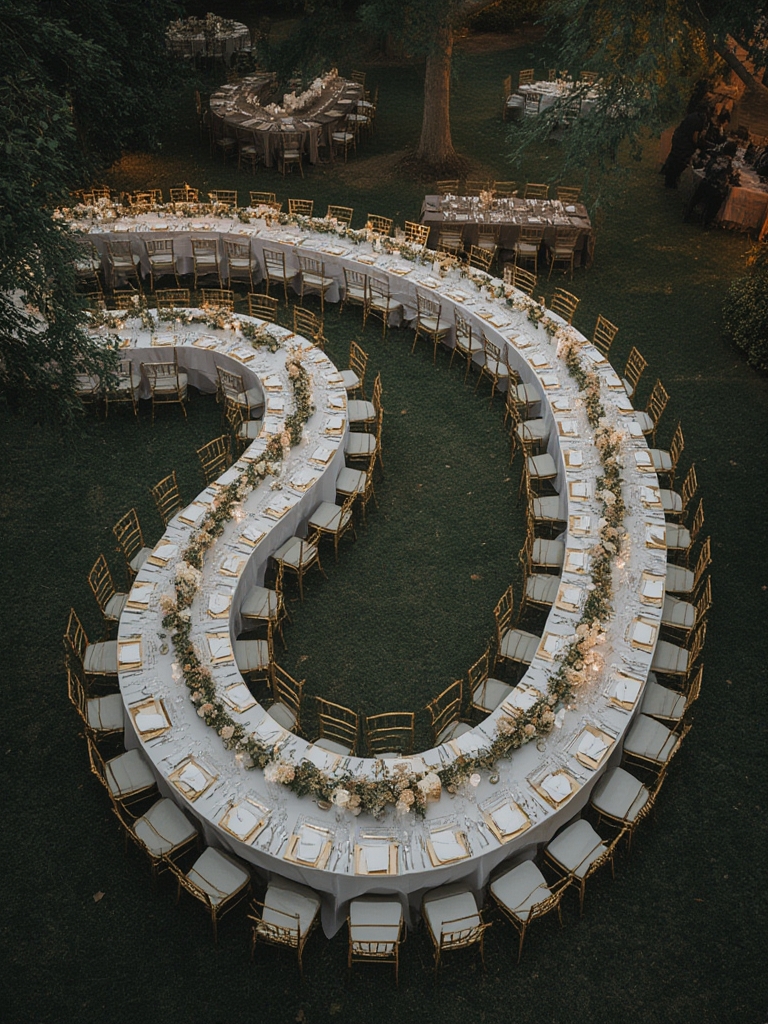
Serpentine table wedding styles are fast becoming a favorite for couples who want a visually striking and guest-friendly event. Curved, flowing tables let you break the mold of straight banquet rows and create more flexible, intimate layouts. But with this innovative look come new planning challenges you won’t face with standard set-ups.
Key Takeaways
- Serpentine tables are trending for 2025–2026 weddings, offering creative layouts but requiring careful planning for space and seating.
- They’re ideal for medium guest counts and non-traditional venues, but are less suited to compact or very large headcounts.
- Smart configuration and decor choices maximize their impact, but guest flow and rental sourcing need extra attention.
- What Is a Serpentine Table Wedding?
- How to Plan a Serpentine Table Wedding: Step-by-Step Guide
- Advanced Analysis and Common Pitfalls
- Conclusion
- Frequently Asked Questions
What Is a Serpentine Table Wedding?
At its core, a serpentine table wedding swaps out standard round or rectangular tables for sinuous, curved tables that can be joined in waves. The goal? Break up the formality and rigidity of the traditional banquet, create cozier clusters, and make space feel custom-designed for your story.
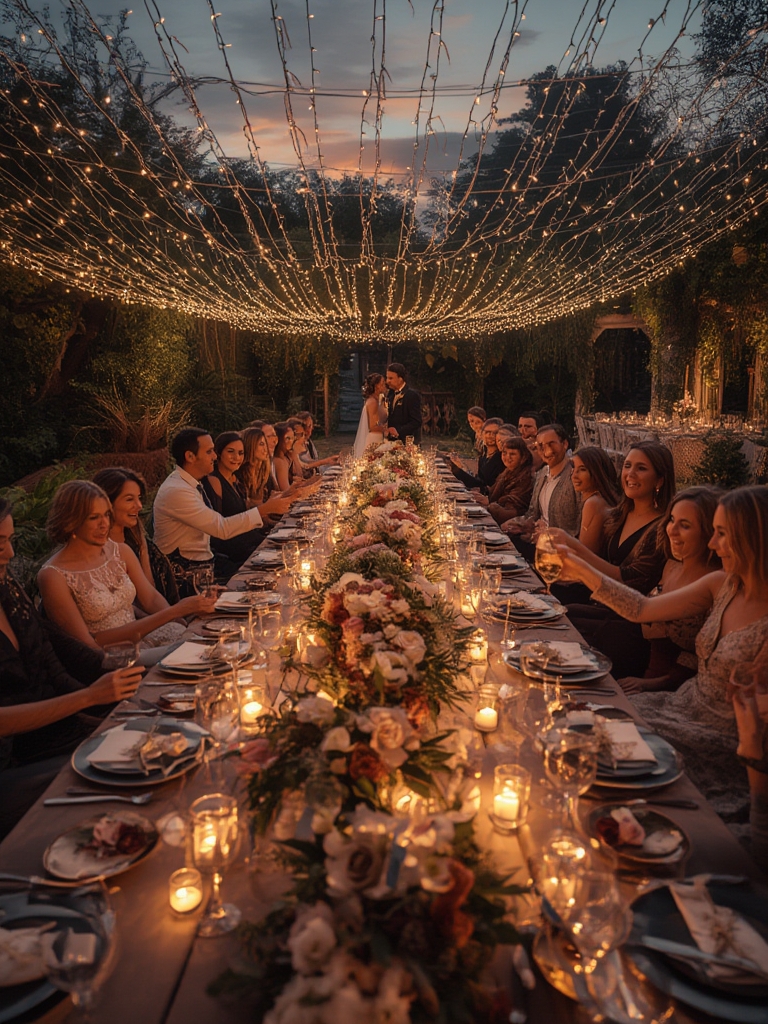
The serpentine design instantly adds visual drama and a relaxed social vibe. It’s especially useful for receptions in unique venues like lofts, galleries, outdoor gardens, or any space where a boxy grid feels unnatural. You can have lines that spiral, wind, or curve into circles—making every seat feel like the best seat in the house.
As noted in The Knot’s guide, these tables work best with guest counts that aren’t massive, since each section seats fewer guests than a standard round or rectangle. But with intentional planning, they set the scene for major “wow” factor and a more conversational guest experience.
Beyond buzz, making serpentine tables work means thinking differently about flow, decor, and the guest experience from the very start.
How to Plan a Serpentine Table Wedding: Step-by-Step Guide
Success with a serpentine table wedding is all about adapting your plan to the shape. Here’s a practical, no-nonsense guide:
- Evaluate Your Venue’s Shape and Size
Serpentine layouts shine in venues with wide, open, or oddly shaped spaces. Use the curves to highlight architectural features or accommodate funky floorplans. Avoid if your space is narrow or too small, as this source explains, since fitting the shape will feel forced. - Determine Your Guest Count and Table Needs
Each serpentine segment typically seats fewer people than a classic round. Find out your rental company’s specs—often 4–6 per segment. Confirm if you’ll use continuous lines, S-curves, or full circles. Remember, larger groups may need hybrid layouts. - Secure Your Rentals
Work with a vendor known for curved table event setups. Not all rental companies offer serpentine options or own enough matching pieces for a large event. Check out niche suppliers highlighted in Aulobao Wedding Furniture or vet local event pros. - Customize Your Tablescape
Choose linens and runners that fit the curves—standard cloths may bunch or overhang awkwardly. Invest in custom or stretch-fit covers for clean lines. Use elongated floral runners, cascades of greenery, or serpentine candle displays (linking up with Cloud Dancer event decor inspiration if you’re after on-trend whites and minimalist palettes). - Enhance Sensory & Immersive Experiences
With a flowing shape, you can build multi-sensory decor all along the curve—add subtle scent installations, textured linens, or directional soundscapes synchronized with the table’s path. See more at our guide to sensory wedding decor. - Arrange Strategic Seating
Mix up groups around bends to boost mingling or keep subgroups together if that suits your style. Serpentine shapes can lead to more cross-table conversation but require a deliberate plan. - Test Staff and Guest Flow
Leave room for staff behind curves and at intersections, to avoid bottlenecks. Walk the space yourself to identify tight spots or sightline issues before the big day.
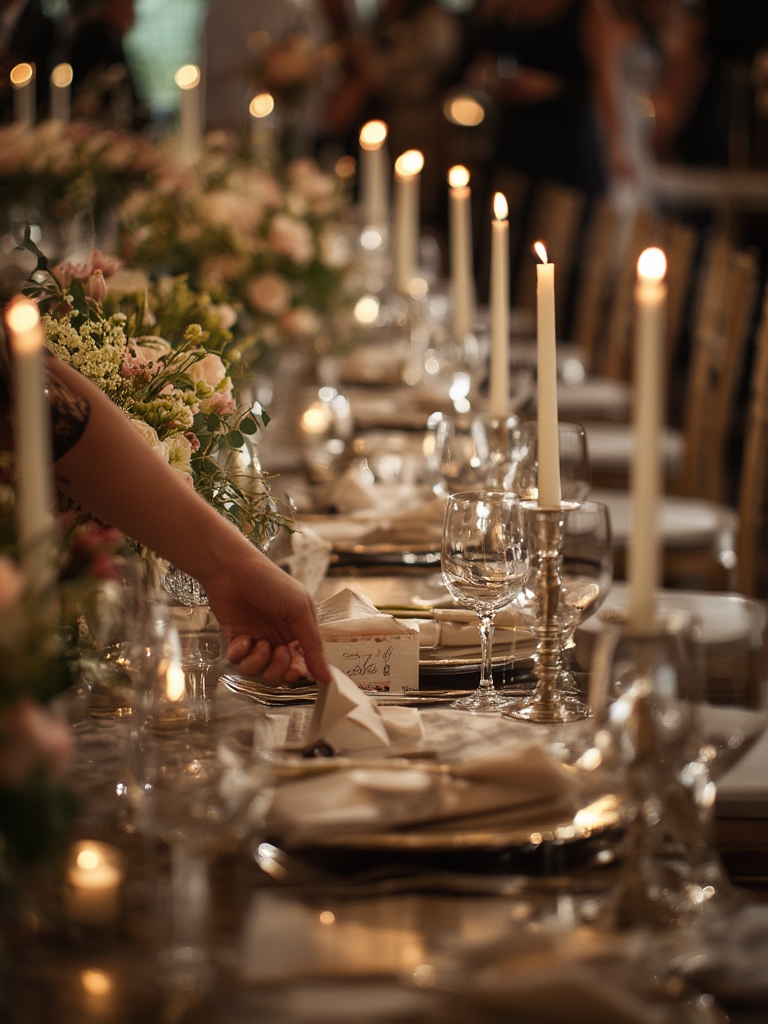
If you want to experiment further, use curved tables as display features: dessert setups, unique head tables, or sweetheart nooks. For a modern twist, introduce stainless steel table accessories—take cues from these metallic decor ideas.
And for an entirely white and ethereal effect, discover how minimalist palettes like those in the Cloud Dancer event trend let curved layouts stand out in both daylight and evening lighting.
Advanced Analysis and Common Pitfalls
Serpentine table setups are captivating, but they’re not right for every event. Here’s what you need to watch out for—backed by industry findings and event planner reports:
| Factor | Serpentine Tables | Traditional Rounds/Rectangles |
|---|---|---|
| Average Seats per Table | 4–6 | 8–10 |
| Ideal Guest Count | 30–120 | Any size (scalable) |
| Setup Time | Longer (custom fitting, alignment) | Short, standardized |
| Rental Availability | Limited, often pre-book months ahead | Easy to find in all markets |
| Venue Fit | Best in large or odd-shaped spaces | Flexible for most layouts |
| Creativity Potential | Very high: statement setups, seamless runners | Predictable: classic banquet look |
| Tabletop Styling | Requires custom linens/runners, creative florals | Standard linens fit, traditional centerpieces |
- Misjudging Space: Bends eat up more room than straight lines. Don’t assume the same capacity per square foot as rectangles or rounds.
- Guest Count Problems: Curved segments seat fewer people, so running out of room is easy if you don’t test your plan.
- Staffing and Access Issues: If there’s not enough clearance, servers may get stuck in narrow corridors or at tight turns.
- Rental Limitations: Many rental companies lack enough matching segments for large weddings. Book well in advance or consider mix-and-match options.
- Tabletop Decor Mistakes: Standard table runners and centerpieces may not fit neatly along curves. Factor in custom costs for linens and floral production.
For more on why these tables work best for medium-sized, creative events, review the latest planning research.
Conclusion
Serpentine table designs are changing what’s possible for modern weddings. With careful venue selection, proactive rental sourcing, and creative tablescapes, you’ll deliver a striking guest experience. But remember, the serpentine table wedding concept is best for those with a flexible guest count and a willingness to adapt to the shape and flow of their celebration.
Ready to explore curved layouts and innovative styling? Start with a venue walk-through and partner with vendors who specialize in custom table solutions and multi-sensory event design. Your dream celebration is within reach—no matter how your tables turn.
Frequently Asked Questions
How many guests can a serpentine table seat?
Each segment generally seats 4–6 guests, depending on length and layout. Plan for fewer per table compared to standard rounds.
Are serpentine tables more expensive to rent than regular tables?
Rental costs can be higher due to limited supply and transportation complexity, but specifics vary by location and vendor.
Can serpentine tables work in a small venue?
Not always. They suit larger or uniquely shaped venues best and may feel cramped in tight rooms. Always check dimensions before booking.
What types of decor look best on serpentine tables?
continuous floral runners, candles, and custom stretch linens all help the curve shine. Metallic and monochrome palettes feel especially modern—see Cloud Dancer and stainless steel inspiration.
Where can I find rental companies for serpentine tables?
Search for vendors known for modern or bespoke event furniture—start with companies mentioned in industry guides or ask your planner for local recommendations.
Did you try this inspiration ?
There are no reviews yet. Be the first one to write one.