
Sensory wedding decor is more than just a trend; it’s a powerful way couples can transform their ceremony and reception into an immersive, unforgettable experience for guests of all ages. Whether you want subtle scent integration, atmospheric lighting, or unique interactive tablescapes, the right approach can make your celebration memorable for years.
Key Takeaways
- Sensory wedding decor creates immersive guest experiences, but most industry data focuses on visual trends, not multi-sensory innovation.
- Common pitfalls include sourcing unique sensory elements, budget management, and addressing venue restrictions for tech or unique installations.
- Start simple with lighting and texture, and explore scent, sound, and touch for advanced impact.
- What is Sensory Wedding Decor? (The Core Concept)
- How to Plan Sensory Wedding Decor: Step-by-Step Guide
- Advanced Analysis & Common Pitfalls
- Conclusion
- FAQ
What is Sensory Wedding Decor? (The Core Concept)
Sensory wedding decor means designing your celebration to engage all five senses: sight, sound, touch, taste, and smell. Unlike traditional decor, which mainly focuses on how things look, sensory design is about creating an immersive environment—one that guests don’t just see but truly experience. This could be as simple as mood lighting and textured table linens, or as advanced as custom scent diffusion and interactive installations that respond to movement and music.
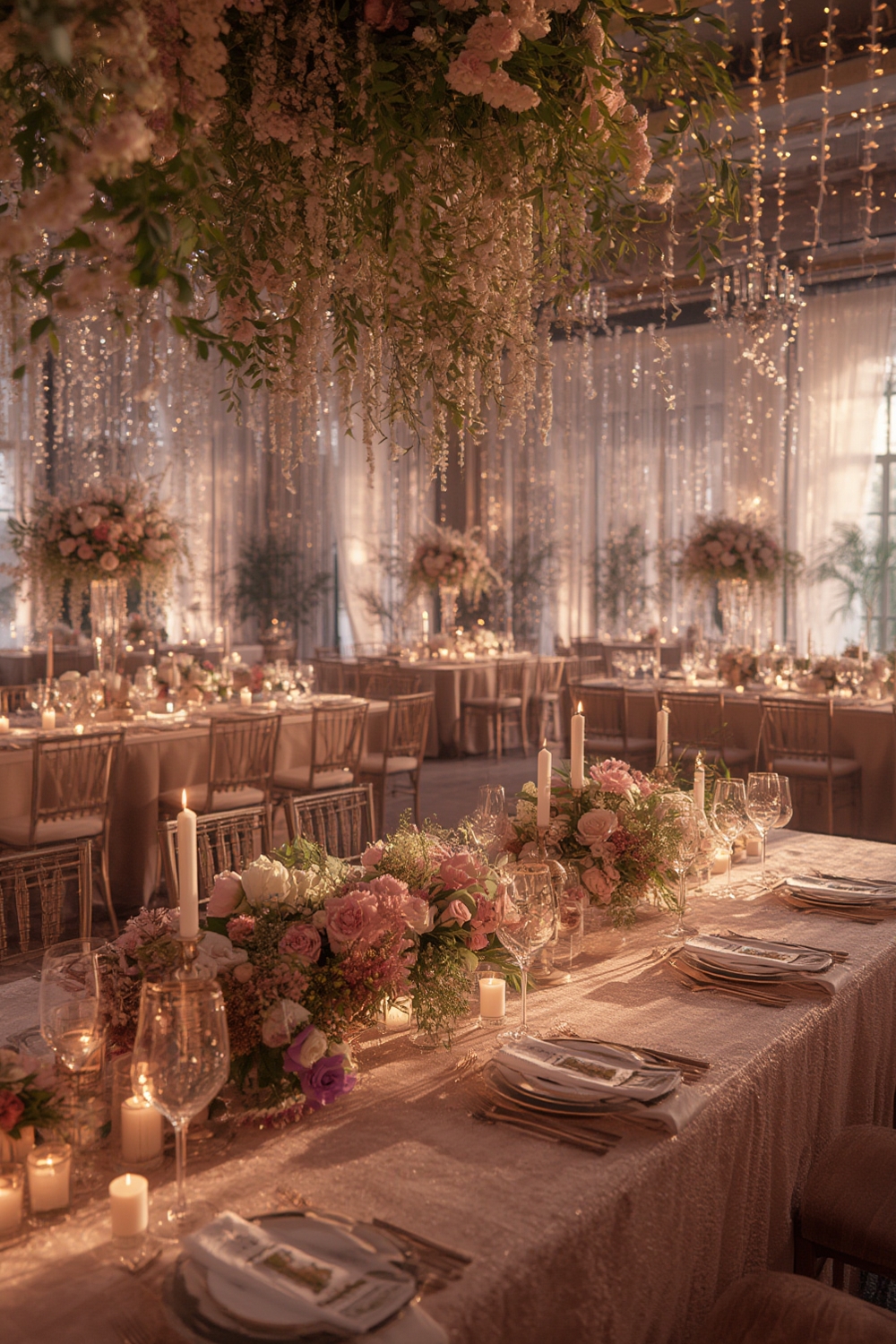
The core reason couples are moving toward sensory decor is the demand for personalized, unforgettable experiences, as the wedding services market itself shifts toward customization. Typical elements include:
- Mood lighting: Smart LEDs, uplighting, color-changing bulbs
- Statement ceiling decor: Hanging florals, lanterns, suspended lights
- Scent integration: essential oil diffusers, botanical installations
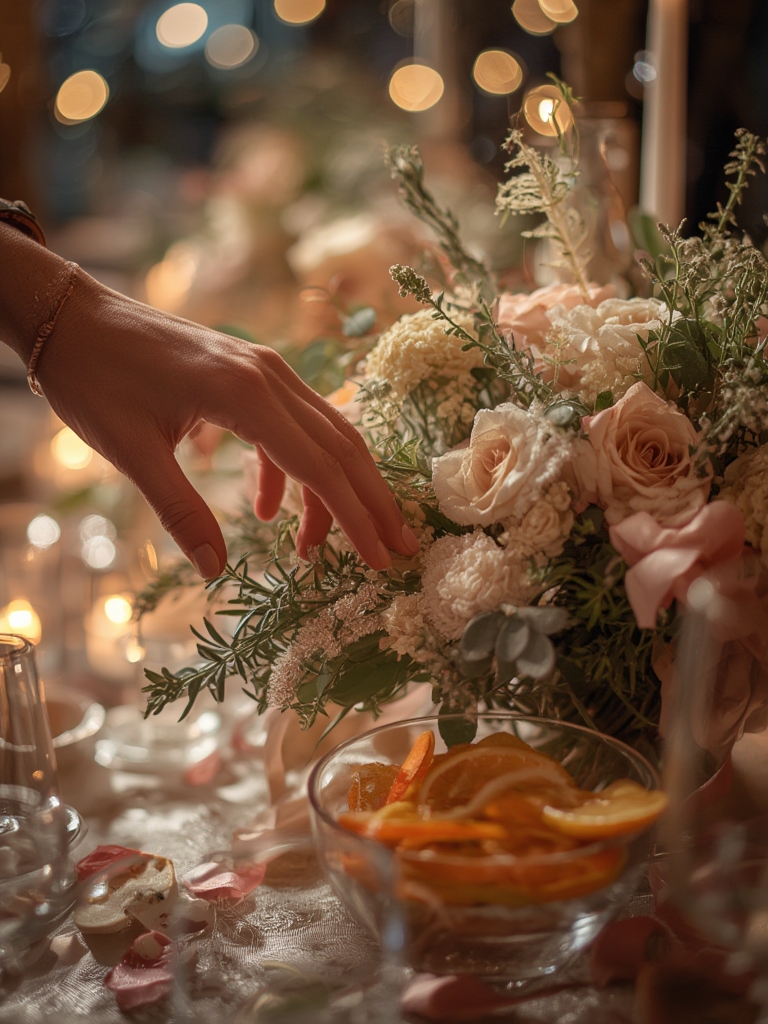
- Interactive tablescapes: Textures, edible centerpieces, living botanicals
While no exact statistics exist for couples using sensory wedding decor in 2024, industry sources agree the interest is growing steadily.
How to Plan Sensory Wedding Decor: Step-by-Step Guide
Adding sensory layers to your wedding doesn’t require a massive budget or special expertise. Here’s how any couple or planner can make it work—step by step.
- Define Your Desired Atmosphere
Decide what feelings you want to evoke—romance, whimsy, luxury, or comfort. This guides your selection of color palettes, lighting warmth, and even the scents or textures used throughout the venue. - Choose Your Key Sensory Elements
Prioritize two or three senses to focus on. Lighting is almost always the quickest win—think programmable LEDs, dimmable string lighting, and lanterns. Next, pick either scent (essential oil diffusers or flower types) or texture (velvet runners, tactile plates, wooden chargers). - Plan Tablescape and Decorative Layers
For tables, vary the tactile materials: mix smooth ceramics with textured fabrics or wood. Try acoustic-softening botanicals or “living” runners for both sound dampening and visual impact. When choosing plates, utensils, or napkins, look for a variety of finishes for guests to touch and notice.Complement with edible decor—herb bouquets or fruit centerpieces that invite interaction (and double as snacks). - Integrate Scent With Caution
Scent is tricky—too strong can be overwhelming. Use small, themed diffusers placed near open spaces, or focus on fresh botanicals that contribute aroma without distracting from food or guests’ allergies. - Test and Adjust
Once your main elements are chosen, set up a test table or mini-installation before the event. Adjust lighting warmth, move diffusers, and check for noise or scent conflicts. - Work With Venue Guidelines and Vendor Contracts
Ask venues about restrictions on fog machines, open flames, scent devices, or even certain types of lighting. Get everything in writing and share your decor vision with all vendors in advance. - Budget and Lead Time Planning
Because the cost and timelines for specialty installations (like programmable LEDs or interactive scent features) are largely unreported, get written quotes and clear timelines from vendors up front. Plan for extra lead time, especially if you want sustainability or tech-heavy options. - Layer Sound and Music Thoughtfully
Consider inviting musical performers, booking a small jazz trio, or curating playlists for different event phases. Just as careful air filtration can change an environment, mindful audio choices set the event’s tone.
If you’re working with pets at your venue, don’t forget guest comfort: consider measures to manage air quality, like installing an air purifier for pet dander to reduce allergens, ensuring everyone fully enjoys the experience.
Throughout the process, communicate your priorities—whether mood lighting, statement ceilings, or interactive edible features. Several 2024 decor trend guides note that striking a balance between personal touch and guest comfort is what makes an event truly immersive.
Advanced Analysis & Common Pitfalls
Immersive wedding decor brings impact—but also comes with real challenges:
- Sourcing Unique Pieces: It’s often difficult to find sustainable or custom-made installations (like living chandeliers or bespoke scent diffusers). Lead times may be long and vendor portfolios limited.
- Venue Constraints: Most venues limit open flames, heavily scented devices, fog machines, and complex tech. Always check their policies before booking anything experimental.
- Lack of Cost Transparency: No public averages exist for sensory installation costs or labor, making budgeting tricky. Prices for programmable LED lighting or scent systems can vary widely, and competitors rarely publish specific quotes or average timelines.
- Guest Sensitivities: Some guests may not tolerate certain aromas or flashing lights. Overly bold design can distract or even cause discomfort rather than delight.
- Stretched Budgets: Ambitious sensory setups can snowball, especially if your vision includes high-end interactive elements or new tech-driven products.
- Technical Issues: Scent machines malfunction, lighting controllers fail, or sound is not properly balanced between event phases.
| Pitfall | Description | Prevention |
|---|---|---|
| Unclear Vendor Communication | Details lost between planner, couple, and supplier. Misunderstandings lead to incomplete installations. | Document requirements in writing and walk through all plans together on-site. |
| Overpowering Scents | Guests distracted or uncomfortable because aroma is too strong or conflicts with food. | Test aromas in advance and use adjustable diffusers. Prioritize botanical-based scents. |
| Overspending | Hidden costs for custom installations or new tech add up fast. | Request itemized quotes for each decor component. Prioritize must-haves. |
| Venue Restrictions | Fire codes, accessibility, or noise rules limit options (especially with fog, scents, or edible installations). | Ask about restrictions early and share your ideas with venue management. |
| Neglecting Acoustics | Loud decor or music overwhelms conversation. Poor sound can also clash with interactive setups. | Use acoustic botanicals or spaced-out music setups. Adjust volume as the day progresses. |
While most competitors cover lighting and color, few explain the power of layered tactile elements or truly address scent and acoustic innovations. When planning, remember there’s currently no scientific proof that complex sensory design guarantees better memories—but the right touches can set your event apart.
For sensitive guests or allergy reduction tips, see our best air purifier for pet allergies guide for practical comfort solutions at large gatherings.
Conclusion
With careful planning, sensory wedding decor can help you craft a day that goes beyond visuals—engaging, surprising, and delighting every guest. Focus on approachable elements like lighting and tactile detail before layering advanced features like scent or acoustic design for the most balanced effect. Ready to transform your wedding celebration? Start brainstorming your own sensory vision or reach out to a planner experienced in immersive events.
FAQ
Are there proven benefits to sensory wedding decor?
No direct scientific studies on sensory wedding decor in weddings exist, but general interior research suggests multi-sensory spaces promote deeper emotional connections and atmosphere.
Will my venue allow fog machines, scents, or edible decor?
Policies vary widely. Most venues have strict rules on open flames, fog, and strong scents for safety and comfort. Always check restrictions in writing before booking any sensory installations.
How expensive is sensory wedding decor versus traditional decor?
Published pricing for immersive decor is rare. Expect higher costs for custom installations, programmables, and new tech. Get vendor quotes early and focus on 2-3 high-impact elements to maximize value.
What if my guests have allergies or sensitivities?
Choose subtle, botanical scents and notify guests ahead of time about planned sensory features. Reduce airborne irritants by using a HEPA filter pet dander air purifier, especially in venues that host frequent animal-friendly events. Explore 7 Amazing Ways to Create Stunning Tablescapes
Which elements offer the most impact for first-timers?
Mood lighting and varied tactile materials (like velvet runners and wood in tablescapes) consistently deliver wow-factor with little risk. Integrate scent and acoustic design as you gain confidence or partner with specialists.
Did you try this inspiration ?
There are no reviews yet. Be the first one to write one.