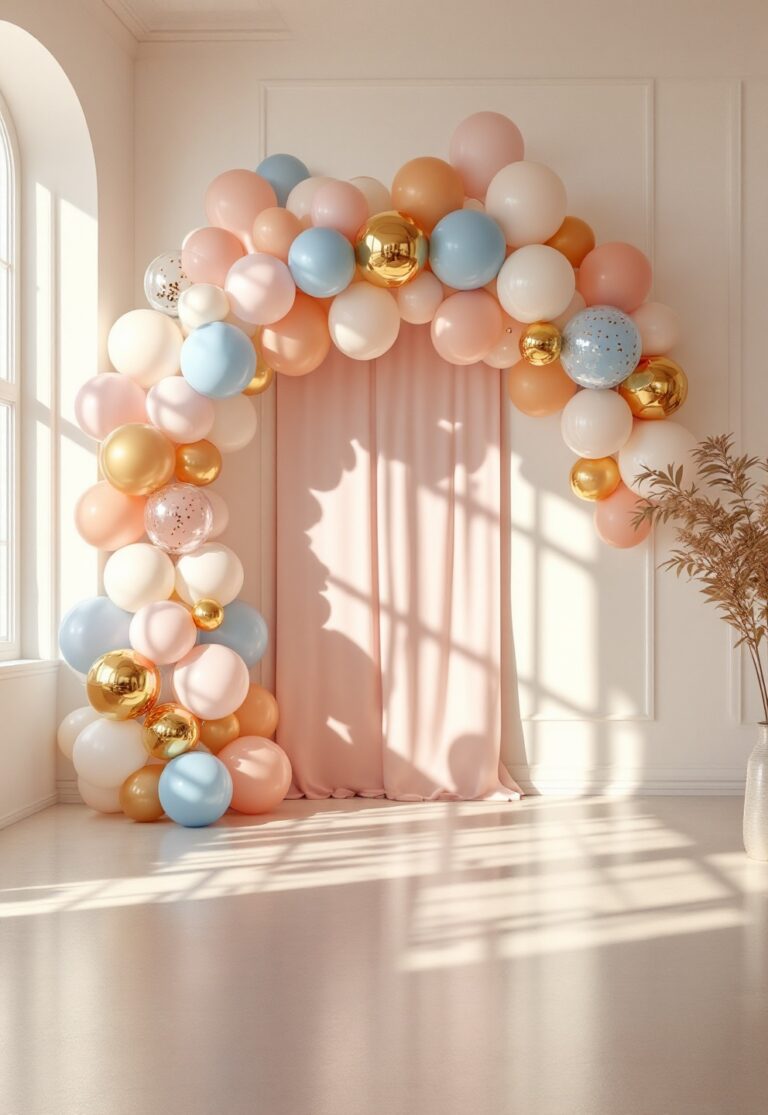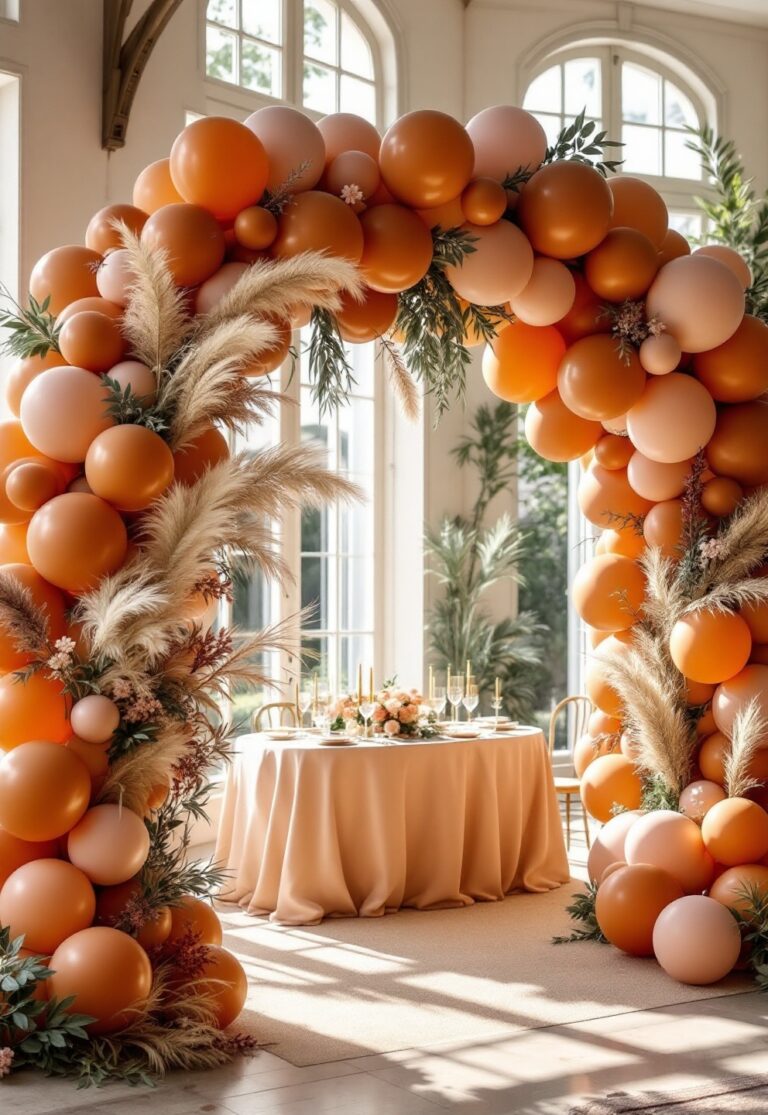

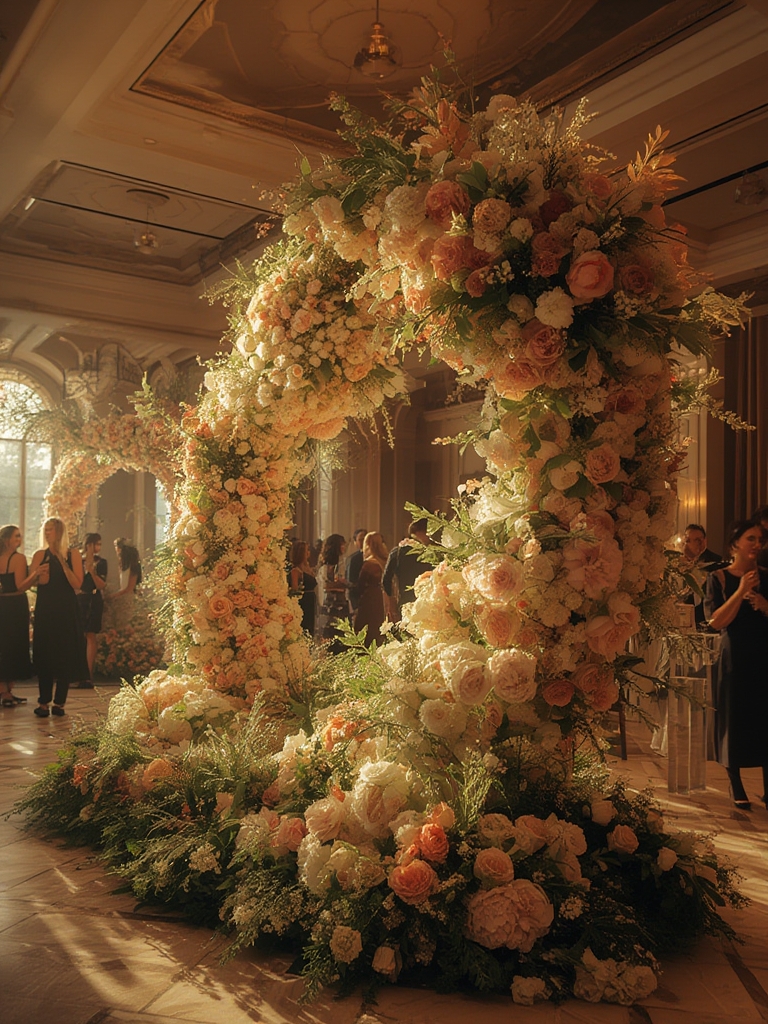
Sculptural floral installation has rapidly transformed the world of event design and creative interiors, bringing three-dimensional drama and dynamic artistry to spaces where traditional flower arrangements fall flat. These installations turn ceilings, walls, and even airspace into immersive art, but they also require careful planning, specialized materials, and a keen eye for practical execution.
Key Takeaways
- Sculptural floral installations create unforgettable, multi-sensory environments but present unique technical and logistical challenges.
- Sustainable materials, careful structural planning, and professional installation are critical for safety and lasting impact.
- Advanced event trends now favor immersive, editorial installations over traditional floral centerpieces—knowledge of current design and regulations sets leaders apart.
- The Core Concept: What and Why
- Step-by-Step Guide: How to Build a Sculptural Floral Installation
- Advanced Analysis & Common Pitfalls
- Conclusion
- FAQ
The Core Concept: What and Why
Sculptural floral installations are three-dimensional, site-specific floristry artworks. Unlike flat centerpieces or bouquets, a sculptural floral installation uses architectural principles to suspend or structure flowers in ways that defy gravity: overhead clouds, floating arches, vertical walls, and complex topographies.
The trend is surging for 2026 and beyond, especially for modern weddings and editorial events. Social media audiences crave dramatic, immersive moments—not just “pretty arrangements,” but photogenic, interactive art. According to global floral industry data, over 80% of professionals now prioritize creative and sustainable design practices for floral work, often choosing sculptural installations as their centerpiece strategy (source).
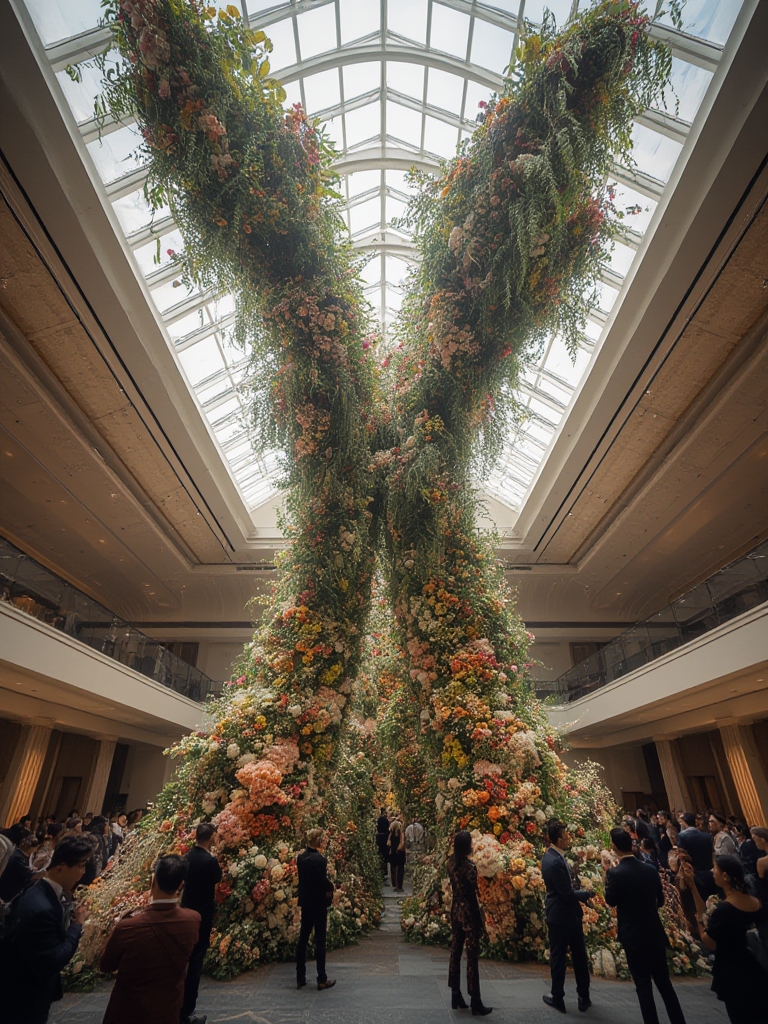
Whether for weddings, corporate events, or luxury retail launches, the goal is to trigger real emotional responses—using flowers as atmospheric installation art. Want to amplify the effect even further? Layering techniques from multi-sensory event design can make these installations even more immersive.
Step-by-Step Guide: How to Build a Sculptural Floral Installation
Building a sculptural floral installation is not the same as arranging a bouquet or centerpieces. You need to approach it like constructing a temporary piece of 3D architecture—balancing aesthetics, engineering, safety, and sustainability.
1. Define the Concept & Space
Start by identifying the installation’s goal: Is it a ceiling cloud for a modern wedding? A floating arch for a photoshoot? A wall sculpture for brand activation? Reference emerging looks like the Cloud Dancer wedding palette or serpentine table installations for on-trend ideas. Survey the event space—sketch dimensions, ceiling heights, visible beams, and lighting.
2. Choose Materials with Structure in Mind
Fresh flowers are visually stunning but heavy and high-maintenance. Preserved and artificial flowers—now a USD 1.78–3.26 billion global industry (source)—offer lighter, longer-lasting options, but have higher environmental scrutiny. Sustainable design calls for recycled frames and reusable structural elements. See this evolving challenge in industry research (source).
3. Engineering the Structure
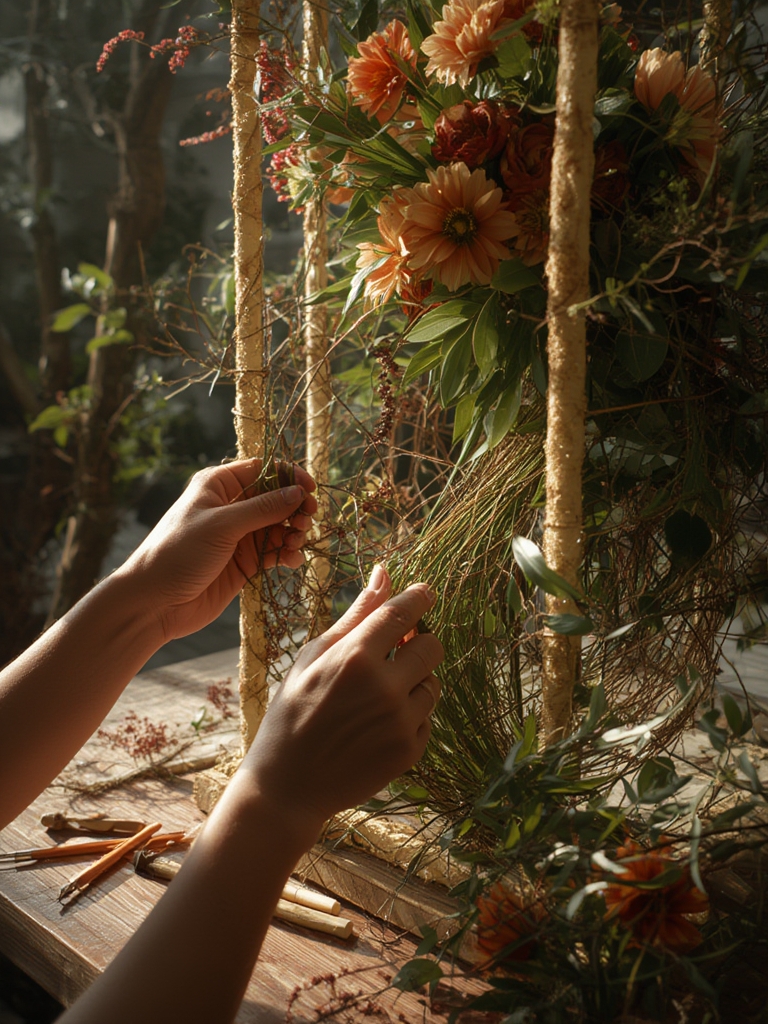
Work with professional riggers, especially for overhead or floating installations. Modular armatures, pre-fabricated grids, or custom-welded frames offer rigidity and hide wiring. For non-ceiling installs, heavy-duty floral foam or chicken wire can create wild, meadow-style geometry.
4. Layering: Flowers, Foliage, and Visual Depth
Start with a “base” layer of greenery, then add flowers in natural groupings, moving from structural botanicals (like branches or anthurium) to softer blooms. Leave negative space for a sculptural feel, and use color-mapping techniques for impact—reference trends like pure white palettes for an art-gallery vibe.
5. Install, Secure, and Monitor
Schedule delivery and setup close to the event start. Safety is essential—double-check all rigging, especially in high-traffic spots. Mist fresh floral installs to maintain turgidity, but avoid direct spray on delicate preserved or paper flowers. Assign a team member to perform pre-event checks and post-event teardown.
6. Add Multi-Sensory Elements
Truly memorable events layer sensory cues. Add subtle scent machines, soft tactile botanicals, or ambient sound design. For more ideas, read about immersive wedding decor approaches that engage all five senses for modern guests.
Advanced Analysis & Common Pitfalls
It’s easy to underestimate the technical side of a sculptural floral installation. Here’s what often goes wrong—and how to avoid it:
| Pitfall | Impact | How to Avoid |
|---|---|---|
| Underestimating Weight | Risk to guest safety; installation collapse | Calculate total load. Use lightweight materials or reinforced suspension. Consult venue engineers for ceiling installs. |
| Inadequate Permitting or Venue Rules | Forced redesign; fines; last-minute removal | Submit plans to the venue well in advance. Check for sprinkler/fan clearance, fire reg compliance, and anchoring policies. |
| Poor Fresh Flower Hydration | Wilt before/during event; unsightly browning | Deliver hydration tubes or select preserved/artificial alternatives for all-day installs. |
| Ignoring Sustainability | Bad press; waste; increased costs | Use recycled or reusable structures. Source from eco-friendly growers, and limit one-use plastics (source). |
| Lack of Visual or Sensory Balance | “Cluttered” or generic effect; fades into background | Always sketch layouts and use moodboards before sourcing. Include layers of height, color, and scent, similar to recommended sensory wedding ideas. |
- Cost and Lead Time: Custom sculptural floral installations—especially in major cities—can easily run up four or five-figure price tags and require weeks of prep time. Itemized breakdowns are rare; always get detailed written estimates.
- DIY Limitations: Even experienced florists may find DIY ceiling kits challenging. Many user complaints center on insufficient instructions and unsafe mounting solutions. If safety or aesthetics are critical, commission a trusted studio or specialist.
- Regulatory Gray Areas: Very few venues publicly post fire, weight, or permit guidelines for large floral installs. Always initiate dialogue with the venue coordinator early.
- Environmental Trade-offs: Fresh, artificial, and preserved flowers each present unique sustainability issues. While the artificial flower market is massive, sustainability pressure and regulatory scrutiny are rising fast (source).
Conclusion
A sculptural floral installation redefines the event experience, creating memorable, editorial-quality impact and immersive environments that linger in guests’ minds. Success requires both artistic vision and sharp attention to engineering, sustainability, and regulatory detail. Demand is only rising, so mastering this approach is a game-changer for planners and creative florists alike. Ready to upgrade your next project with a sculptural floral installation? Start by consulting local pros and referencing the latest in modern installation materials.
FAQ
Do I need a permit or engineer for a ceiling-mounted sculptural floral installation?
For public spaces or large installations, most venues require a permit or signoff from a licensed engineer—especially when suspending anything overhead. Always check with your venue and obtain all required approvals before construction.
What are the best materials for lightweight, eco-friendly sculptural floral installations?
Opt for a mix of preserved botanicals, responsibly sourced artificial flowers, recycled metals, or sturdy cardboard armatures. These materials save weight, reduce maintenance, and can often be reused or responsibly disposed of after the event.
How do I ensure my installation stays fresh during a multi-hour event?
For all-day or outdoor installs, use hydration tubes inside stems or choose preserved flowers for high points. Mist fresh elements lightly and keep them away from direct heat or sunlight. Plan setup for the last possible hour.
Are there alternatives to traditional floral foam for sustainable installation bases?
Yes, many designers now use chicken wire, recycled mesh, or biodegradable alternatives instead of floral foam. These options are easier to reuse and break down, minimizing event waste and environmental impact.
Can I achieve a sculptural look on tabletops, not ceilings or walls?
Absolutely. Meadow-style, low floral landscapes and curvilinear arrangements along serpentine tables deliver sculptural effects at ground level. For ideas, explore meadow tablescape guides or serpentine table styling tips.
Did you try this inspiration ?
There are no reviews yet. Be the first one to write one.