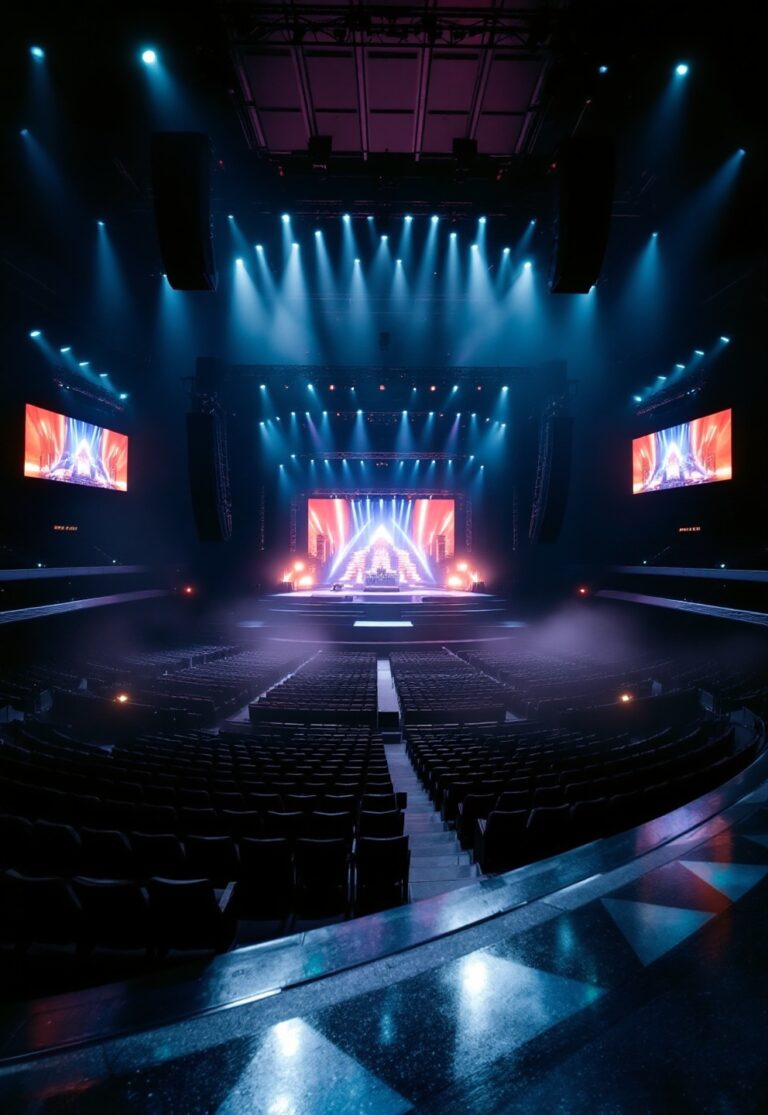

Event entertainment can make or break the impact of your corporate or private event, especially when budgets are tight and stakes are high. This guide combines fresh 2024 market data, key hiring checklists, and pro-level decision tactics so you can book event entertainment confidently—no matter the scale or location.
Key Takeaways
- Entertainment is a rapidly growing segment with new tech, higher budgets, and evolving audience expectations in 2024.
- Price transparency, technical fit, and documented reliability are more important than ever for successful event entertainment hires.
- Robust RFPs and vetting checklists (included below) help you avoid common pitfalls and secure the best event entertainment for any event.
- Industry snapshot — why 2024 matters to your entertainment budget
- Demand signals — what types of entertainment are scaling in 2024
- Why tech & hybrid matter — drivers shaping entertainment through 2026
- Most-booked entertainment types (practical list for buyers)
- Typical pricing structures in 2024 — how companies charge
- Common customer pain points and how to avoid them
- How the best event entertainment companies stand out
- Three critical buyer questions missing from most “services near me” articles
- Innovative entertainment ideas to watch for 2026 (with quick how-to pitch)
- Step-by-step hiring process (quote → performance day)
- Contract & technical clauses to require (red flags to watch)
- Local-hire checklist and 10 vetting questions to ask before booking
- Quick RFP template and decision rubric (tie-breakers)
- Conclusion
- FAQ
Industry snapshot — why 2024 matters to your entertainment budget
The event entertainment industry is on a record-setting path in 2024. Global entertainment and media revenues surged to $2.9 trillion, up 5.5% from last year (PwC Outlook). In the US, arts, entertainment, and recreation hit nearly $500 billion (an 8.8% increase), reflecting not just recovery from prior dips, but real expansion (Statista). Market analysis also highlights event entertainment as the highest-growth segment, with a 12.4% CAGR from 2021 to 2028 (EventBookings).
Demand is stretching vendor availability and supporting increased investment across all event sizes—from local gatherings to national conferences. This makes early planning and transparent hiring even more critical for event managers who need quality, reliability, and technical fit.
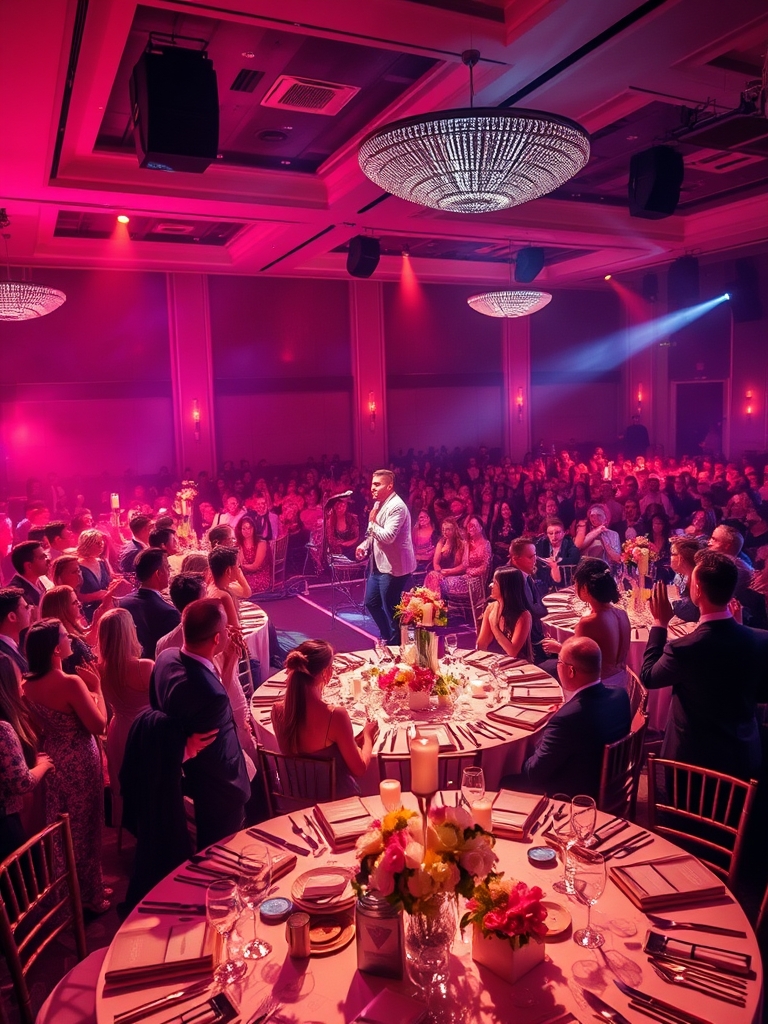
Demand signals — what types of entertainment are scaling in 2024
What categories are trending up? Live music continues to dominate, with the Top 100 Tours grossing $9.5 billion in 2024—a 3.62% year-over-year increase and higher show counts (Pollstar 2024 analysis). Corporate clients, associations, and even private event planners are also booking:
- Hybrid and virtual experiences—especially for regional offices and remote convenings
- Tech-enabled interactive acts and activations (AR/VR,
- Immersive and thematically branded performances
Across categories, event entertainment companies are expanding their rosters to meet the surging demand for both traditional acts and these new formats.
Why tech & hybrid matter — drivers shaping entertainment through 2026
New tech and hybrid experiences are rapidly reshaping what “good” looks like for event entertainment ideas 2026. Market projections show the virtual event segment alone will reach $504.76 billion by 2028 (23.7% CAGR) (EventBookings).
- 71% of large organizations now run hybrid or virtual events; 93% plan to increase investment in these formats
- Audiences expect more interactivity, real-time participation, and unique tech integrations—like branded games, live polls, or AR-driven performances
- Sponsors and C-suite decision-makers demand clear ROI metrics (engagement, data capture, reach)
- Entertainment platforms and performers are investing in better production, real-time translation, and cross-platform streaming
These drivers are set to become standard buyer expectations by 2026.
Most-booked entertainment types (practical list for buyers)
Top event entertainment hire decisions are still rooted in classics—but with some critical, high-growth additions:
- Bands/DJs: Weddings, galas, large corporate parties. Live-music demand continues to outpace other categories.
- Solo musicians: Cocktail hours, openings, networking sessions where background atmosphere matters.
- Magicians & escapists: High-impact change of pace for conferences and family-friendly events.
- Interactive/experiential acts: AR/VR booths, participatory art, even “build your own music video” stations.
- Virtual/hybrid performers: For locations where travel is cost-prohibitive or hybrid reach is prioritized.
- Professional MCs/hosts: Underrated for complex agendas or fundraising events—
Exact market-share data per category is not available, but live music’s dominance is reflected in tour revenues (Pollstar), and technology-driven experiences are the fastest-growing additions.
Looking to combine immersive entertainment with stunning décor? Explore multi-sensory event design or sculptural floral installations for a truly memorable guest experience.
Typical pricing structures in 2024 — how companies charge
Transparent pricing is still a pain point. Public data for 2024 pricing structures in event entertainment hire remains limited. Based on industry interviews and RFPs, here’s what to expect:
- Flat per-event fee: Most common for musicians, magicians, and MCs for local events up to 5 hours.
- Hourly rates: Especially for specialist or package-based entertainers, e.g., photo booths or guest-engagement acts.
- Per-guest (per-head): Seen for interactive experiences or scalable tech-driven activations.
- Tiers/packages: Base price with add-ons (travel, AV, rider requests, multi-artist lineups, etc.)
No public aggregate data is available on average price ranges for event entertainment services near me in 2024. Always request full breakdowns before booking.
Common customer pain points and how to avoid them
Event entertainment can come with surprises—good and bad. Though no industry-wide data exists on negative reviews or pain points, frequent complaints in buyer forums and client feedback include:
- No-shows or late arrivals: Disaster if backup plans aren’t contractually guaranteed.
- Hidden fees: Sudden charges for overtime, travel, or production needs not disclosed up front.
- Poor technical fit: Entertainers not suited to venue size, audience profile, or event goals.
- Weak emcee/host: Fails to engage, stretching or shortening agenda, or not matching your event’s tone.
Checklist to Avoid These Issues
- Vet all vendors for current insurance (COI) and get proof prior to deposit
- Ask for references and recent video of full-length, similar events
- Require backup talent and a clear weather/illness contingency in contract
- Review the
Looking for more décor solutions to avoid bland or weak setups? See trending meadow-style tablescapes or white-on-white palettes that pair well with entertainment-led events.
How the best event entertainment companies stand out
The best event entertainment companies differentiate themselves in five key ways—even though no public data lists the top performers:
- Verified credentials and insurance — Full documentation on request, including licenses and coverage
- Glowing portfolio and real case studies — Video proofs and testimonials for similar-scale events
- Clear pricing and contracts — Nothing buried, full transparency up front (including overtime/AV fees)
- Creative custom options — Brand integrations, custom sets, immersive or interactive moments, or innovative color palettes
- Technical rider and production support — Dedicated AV or tech contact; detailed schedule for load-in, run of show, and strike
Ask for recent client referrals, technical rider samples, and video walk-throughs before you book. For truly standout décor to match, check out chic inox and steel event designs.
Three critical buyer questions missing from most “services near me” articles
Search engines are filled with “event entertainment services near me” listings, but critical hiring details are often skipped. Here are three must-ask buyer questions you won’t find in most articles:
- What is the true total cost? Demand a full, line-by-line breakdown—base fee, AV/tech, travel, set-up/strike, overtime rates, rider requests. Ask for a sample invoice early and compare apples-to-apples.
- What’s your contingency if the main act cancels? Require details about backup performers, force majeure, and insurance coverage. This should be in writing before you sign.
- What does your technical rider require? Insist on the details (power, venue access, soundcheck, staging, AV supplier) and match them to your venue’s capabilities. Don’t discover a “fit” problem on event day.
Innovative entertainment ideas to watch for 2026 (with quick how-to pitch)
The landscape for event entertainment ideas 2026 is changing fast—here are six forward-thinking options to consider for future-proofing your programs:
- AI-enabled performers/chatbots: Interactive hosts or even music mashup bots for personalized playlists or quizzes.
- Holograms/drones: Keynotes or performances via holographic display or indoor drone choreography—impressive for launches.
- Hybrid/virtual premium acts: Bring in big-name talent virtually, paired with in-room production for full-impact.
- Gamified guest engagement: Custom event apps, branded scavenger hunts, or interactive voting for live results.
- Sensor-driven light/sound installations: Guests trigger effects as they move—dramatic for galas or product reveals.
Technology’s influence is confirmed by 90% of event marketers reporting positive impact, and by the strong growth in virtual/hybrid adoption noted for 2024 (source).
Step-by-step hiring process (quote → performance day)
There’s no published, industry-wide hiring process for event entertainment hire—but after curating hundreds of successful bookings, here’s a reliable step-by-step playbook:
- Build your RFP: Include event specs, audience profile, timeline, budget caps, tech needs, and creative goals.
- Collect at least three detailed quotes: Ask for a line-item breakdown; clarify what is (and isn’t) included.
- Negotiate scope and extras: Discuss travel, AV, rehearsal, or contingency plans; confirm expectations in writing.
- Review sample contracts & riders: Prioritize insurance proof, cancellation terms, and a full technical rider.
- Secure deposit/payment schedule: Standard is 50 percent down, balance due before or on event day (exact terms vary).
- Production & tech planning: Arrange site visits, confirm load-in/out, schedule soundcheck, walk-through, and assign
- Day-of logistics: Check-in with on-site lead, verify arrival and AV setup, distribute run of show to all teams.
- Post-event wrap: Handle remaining balance, collect feedback, and exchange any video/photos or compliance deliverables.
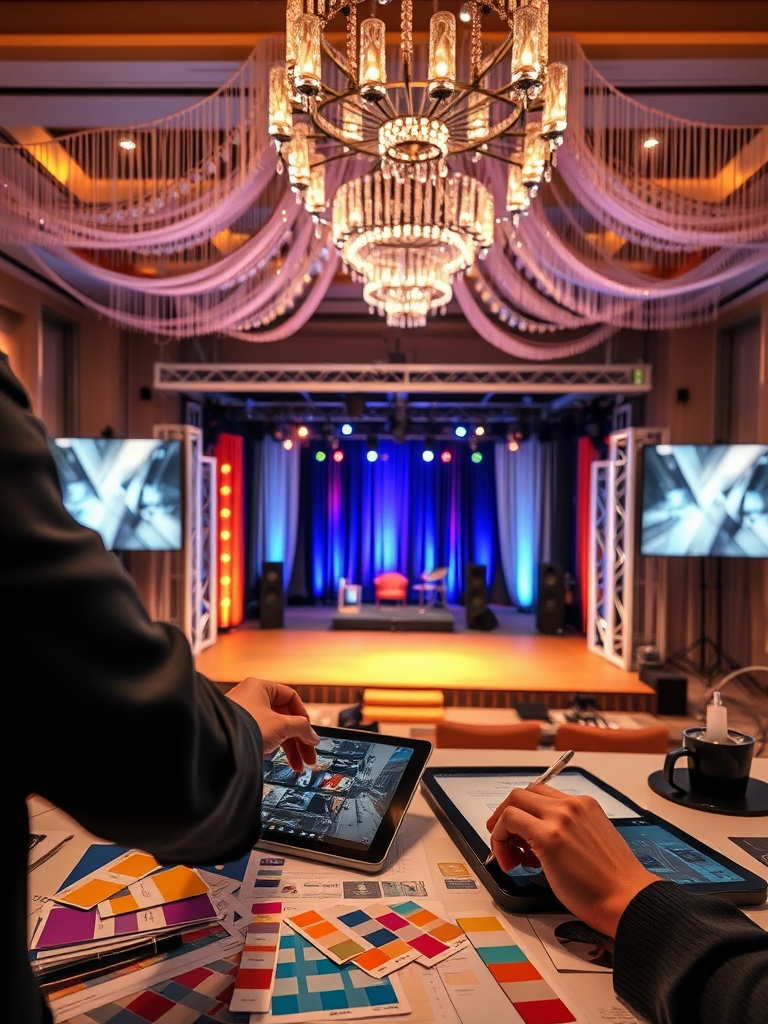
Extra tip: For catering alongside entertainment, see local catering services and food catering package options for seamless integrations.
Contract & technical clauses to require (red flags to watch)
Since no comprehensive contract data exists for event entertainment services near me in 2024, use this must-have checklist for every agreement:
- Insurance & indemnity: Proof of coverage for vendors/performers and third-party liability
- Deposit, refund, and cancellation schedule: Clear percentages, timelines, and notification requirements
- Force majeure and backup act clause: Requires vendor to supply an equivalent performer if circumstances demand
- Detailed technical rider: Includes AV needs, power, soundcheck time, access, and load-in/out windows
- Overtime rates and penalties: Specify consequences if show runs late or early
- Licensing & royalties: For music or branded performances—know what rights you’re buying
Red flags that should stop you signing:
- Vendor refuses to share insurance or technical rider
- Vague, one-page contract or heavy use of legalese to avoid specifics
- Unclear “acts of God”/cancellation terms that don’t include a backup plan
Keep in mind, even the best event entertainment companies can miss these items—always check and ask direct questions.
Local-hire checklist and 10 vetting questions to ask before booking
To maximize success in your search for event entertainment services near me, use this quick checklist:
- Proof of insurance/certificate (COI)
- Video(s) from similar events and settings
- Recent client references, ideally in your industry or venue type
- Sample contract & full technical rider
- Clear backup plan (not just in case of illness, but AV or travel trouble)
- All production/AV costs listed up front
- Event timeline and guaranteed arrival window
- Main contact person (with backup) for day-of communications
- Load-in, load-out, soundcheck, and breakdown scheduled and confirmed
- Ask if you can speak directly with the performer—not just the agent
10 Key Questions for Your Initial Vendor Call
- How many events like mine have you done in the last two years?
- Will we have the same lead performer at the event? Who is the backup, if needed?
- Can you walk me through your technical rider? What do you require for AV and staging?
- Who handles set-up, tear-down, and soundchecks?
- What is your show run time, and can you flex the timing if things run late?
- Do you have full insurance/licensing, and can I see proof?
- Does your fee cover all travel, overtime, and incidental expenses?
- How far in advance do you arrive, and is there a point-person assigned?
- What if there’s an emergency (weather, illness, etc.)?
- How do you tailor your act or set list to our event’s theme/goals?
Save and share this list with your procurement team for each event entertainment hire, so nothing gets missed mid-negotiation.
Quick RFP template and decision rubric (tie-breakers)
Boost your sourcing confidence with this RFP and scoring template—especially useful for comparing top event entertainment company proposals.
Copy-paste RFP Template
Event date/location:
Audience size/type:
Event objectives (goal, impact, themes):
Budget range ($XXX–$XX,XXX):
Preferred entertainment types (bands, hybrid, magicians, etc):
AV and tech restrictions:
Desired run of show (timings):
Deliverables:
Decision date:
5-Point Decision Rubric
| Criteria | 5 (Excellent) | 3 (Meets Need) | 1 (Red Flag) |
|---|---|---|---|
| Cost Transparency | Full line-item breakdown; no surprises | Most details clear, a few small unknowns | Missing or vague fees; hidden costs |
| Reliability Evidence | Strong client references & back-ups | Some references; unclear backup plan | No references or backup info |
| Technical Fit | Detailed rider matches your venue/AV perfectly | Most tech/AV needs clear | Rider missing or conflicts with venue |
| Creative Fit | Past work matches your goals and theme | Relevant experience; needs minor tweaks | Misaligned past work; no custom options |
| References/Reviews | Recent, positive, from similar events | General reviews; no event-specific feedback | No verifiable reviews or outdated testimonials |
Use this for fast scoring on a 25-point scale—highest score wins. For more detail on immersive and sensory event planning, don’t miss this sensory event decor guide.
Conclusion
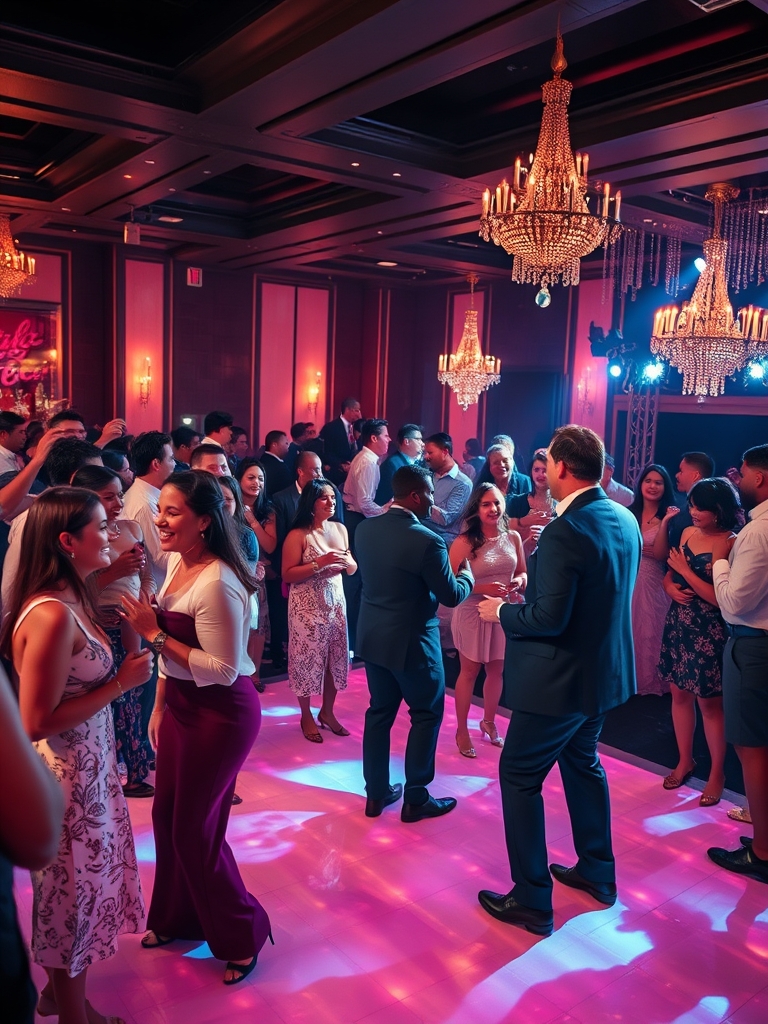
In 2024, the event entertainment landscape is dynamic, competitive, and filled with both opportunity and noise. Applying these step-by-step hiring practices, checklist vetting, and clear contract strategies will set your events apart—whether you’re vetting an event entertainment company for your annual summit or trying new event entertainment ideas for intimate gatherings. Request your quotes early, ask the tough questions, and insist on technical and cost clarity every time.
Ready to level up your entertainment booking process? Start with our RFP checklist, compare options using the rubric above, and reach out to trusted vendors for demo videos and custom proposals now.
FAQ
How early should I book event entertainment?
For corporate or large-scale private events, book at least 3–6 months out, as the best event entertainment services near me often fill their calendars fast—especially during high season.
What does a technical rider include?
A technical rider details the AV, staging, soundcheck, and logistical needs for your chosen entertainment. Always match this against your venue’s capabilities and clarify responsibility for any special equipment or setup.
What’s the biggest contract red flag I should watch for?
Any refusal to provide insurance documentation or an unclear cancellation/force majeure clause. Both should be handled in writing before deposit.
Can I combine multiple entertainment types at one event?
Yes, but be clear about transitions, tech requirements, and total run-time. Give the production team and entertainers a detailed run of show to avoid schedule conflicts or unexpected downtime.
Should I pay for event entertainment upfront?
Industry standard is a 25–50 percent deposit (sometimes non-refundable), with balance paid before or on event day. Always clarify payment and refund terms before signing any contract.
Did you try this inspiration ?
There are no reviews yet. Be the first one to write one.