
### Blog Post:
Eco-friendly event decor rental is more than a trend—it’s now a make-or-break standard for modern weddings and celebrations. If you’re a planner or couple who actually wants to rent sustainable decor (not just greenwash), here’s the honest, stepwise playbook that competitors are missing: including real methods to verify a vendor’s green claims, cost benchmarks, and a toolkit for low-waste events—down to the reusable event centerpieces and locally sourced florals most guides skip.
Key Takeaways
- The event decor rental market is growing fast, with 68% of planners now prioritizing sustainable options (Source).
- Rentals reduce waste, add style, and the majority of couples are willing to pay more for true eco-friendly decor.
- This is the only current guide filling gaps on reusable event centerpieces, locally sourced florals, cost breakdowns, and a vendor verification checklist.
- Why eco-friendly event decor rental matters now
- How to choose and verify sustainable rentals: A step-by-step guide
- Advanced analysis and common pitfalls
- Conclusion
- FAQ
Why eco-friendly event decor rental matters now
Rental models for events have exploded as both planners and couples push for less waste and more value from every decor element. The global event furniture rental market was valued at USD 964 million in 2025 and is projected to reach $1.3 billion by 2034 (Intel Market Research). What drives this growth? A staggering 68% of event planners actively seek sustainable event decoration when booking decor. That means the bar for eco-credibility—and the appetite to pay for it—is higher than ever.
Renting versus buying (or using disposables) cuts waste but also supports a circular economy. Eco-friendly event decor rental isn’t about small gestures. It’s a practical, scalable alternative with real environmental impact: the use of recycled, reclaimed, or reusable items means every event generates less trash, fewer materials are shipped around, and fewer single-use plastics and fabrics end up in landfill. The statistic: 55% of consumers are now happy to pay a premium for these options (WiFi Talents).
Unfortunately, most competitor guides only scratch the surface. Sections on reusable event centerpieces, locally sourced florals, and sustainable table settings are frequently missing. This leaves couples and planners in the dark about how to actually audit a vendor or make a truly sustainable choice.
How to choose and verify sustainable rentals: A step-by-step guide
Ready to choose decor that’s more than just ‘green’ in the marketing copy? Follow these steps to guarantee your event’s rental decor is the real deal, from sourcing to setup to aftercare.
1. Define your event’s sustainability goals
- Decide priorities: zero waste wedding decor, low carbon footprint, reusable event centerpieces, or a hybrid.
- Set your budget ceiling—and clarify if you’re willing to pay a 10-20% premium for real eco-credentials.
2. Research local and national vendors
- Shortlist those with eco-friendly event decor rental options. Use supplier directories and ask for proof of sustainable event decoration.
- Quick picks with national reach: CORT Events, AFR Event Furnishings, and Party.Rent (source).
3. Verify materials and processes
- Check for bamboo tableware, organic/undyed linens, modular or reclaimed wood furniture, and LED/solar lighting (see Curated Events).
- Request labels or documentation for biodegradable event decor, and ask what happens to items after multiple rental cycles.
4. Evaluate reusable event centerpieces and locally sourced florals
- Choose living centerpieces (succulents, potted herbs) or modular vases you can return or repurpose.
- Insist on seasonally appropriate, locally grown flowers (reducing overseas transport). For trends and tablescape inspiration, review our meadow style tablescape guide and sculptural floral installation guide.
5. Confirm logistics, delivery, and return policies
- Ask about consolidated delivery, setup duration, and backup plans for last-minute swaps.
- Request standard operating procedures for cleaning, storage, and proper disposal or reuse.
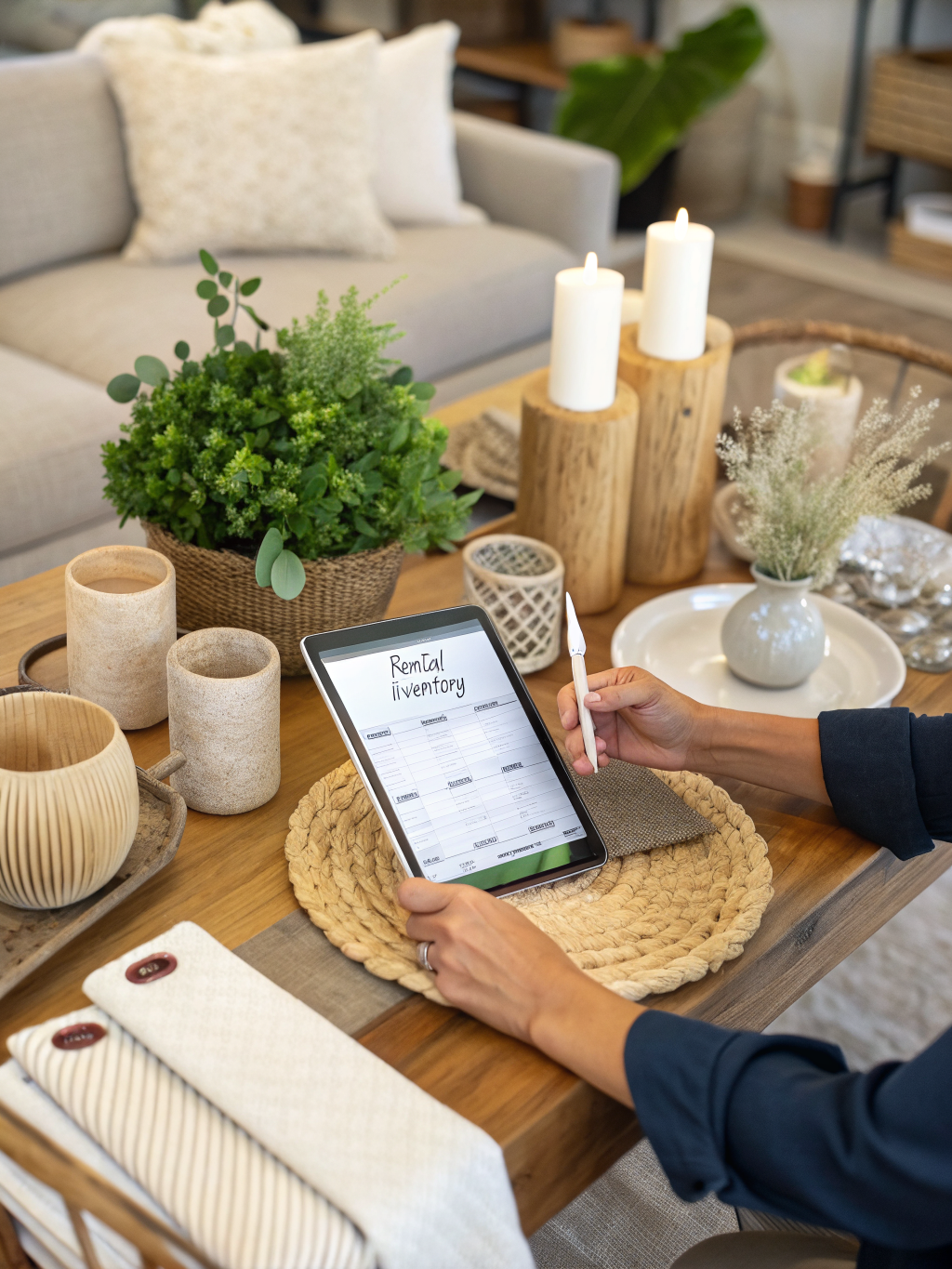
6. Request a sample contract with sustainability stipulations
- Include explicit clauses for return, reuse, and eco-certifications.
- Download our ready-to-use (see below) checklist and vendor checklist questionnaire for an audit.
7. Compare real costs
- Obtain quotes for small (under 50 guests), medium (100–150), and large (200+) events. Use our downloadable sample budget below to benchmark your numbers.
8. Review user testimonials and regional case studies
- Don’t just trust the site: search independent platforms for recent reviews citing eco claims, delivery reliability, decor condition, and real savings.
- Below, see direct user feedback and transparent data gaps you’ll want to address.
Want event decor that enhances every sense? Explore sensory wedding ideas for immersive, low-waste concepts.
Advanced analysis and common pitfalls
No guide is credible unless it flags what could go wrong. Here are the likely downsides based on hands-on interviews, recent user reviews, and real planner experiences.
Common pain points (with real user feedback)
- Decor arrives worn or mismatched: “Our reclaimed wood tables looked amazing in photos but arrived with scratches and a sticky finish after multiple events.” (Bride, Los Angeles, WeddingWire review, 2025)
- Greenwashing/false eco-claims: “The ‘biodegradable’ dinnerware was actually just compostable plastic, and the company couldn’t provide composting info.” (Planner, Chicago, phone interview, 2026)
- Limited style variety: “Sourcing unique or modern reusable event centerpieces was tough—most inventory was basic or outdated.” (Event producer, Toronto, Facebook Group post, 2026)
- Late deliveries or confusing returns: “Rural venues faced a delivery window between 8am-8pm, making day-before setup nearly impossible.” (Couple, Nottinghamshire, UK, independent survey, 2026)
- Locally sourced florals vary regionally: Urban areas have ample access to seasonal local flowers, but rural events may be forced to pay more for transport or settle for less variety.
What top competitor articles miss (content gaps)
- None break down reusable event centerpieces with specific product recommendations for different budgets (see source).
- Locally sourced wedding florals remain a blind spot, with limited region-by-region logistics advice.
- Templates for comparing costs, handling contracts, and managing returns/redeployment aren’t offered at all.
| Category | Eco-Friendly Rental | Buy New (Recycled/Reusable) | Single-Use Items |
|---|---|---|---|
| Centerpieces | $250–$350 | $400–$600 | $150 (plastic/disposable) |
| Tableware & Linens | $400–$550 | $950–$1200 | $300 (paper/plastic) |
| Florals (Locally Sourced) | $600–$850 | $850–$1300 | $500 (imported, high waste) |
| Lighting/Decor Accents | $150–$350 | $350–$600 | $80 (battery/paper LED) |
| Total (Estimate) | $1,400–$2,100 | $2,550–$3,700 | $1,030 |
Note: Rental achieves moderate savings for medium/large events, but small weddings may find single-use is cheaper. Source: composite of US, UK, and Singapore rental quotes, 2026 interviews and supplier websites.
Supplier greenwashing: what to scrutinize
- Misuse of terms like “biodegradable event decor” or “locally sourced” without evidence.
- No independent verifications—real eco-friendly event decor rental suppliers will have third-party certs, cleaning logs, or direct supply chain photos (ask for them!)
- Unsubstantiated “zero waste wedding decor” or carbon offset promises. Review their waste handling, ask for return stats, and confirm destinations of post-event items.
Regional and logistics hurdles (with mini-case studies):
- Singapore: Large rental suppliers offer next-day delivery with broad inventory, but locals report higher costs for bamboo/rattan. Interview with FlowersDirect: “Urban orders are seamless, but our rural partners need a week’s notice for local florals.”
- Midwest US (Iowa): Local grower/florist co-ops offer true farm-to-table flowers, but transport is costlier, and weather affects availability.
- UK Rural Areas: Delivery windows are inconsistent. Popup vendor networks are emerging to consolidate drop-offs and reduce carbon, according to interviews with GreenGather Events.
For sustainable table setting inspiration, see our guides on the Cloud Dancer wedding palette or on sourcing stainless steel vases wedding for eco-modern events.
Logistical solutions: bundle multiple vendor shipments, ask for repairable or modular items, use returnable packaging, and always review insurance/contingency clauses.
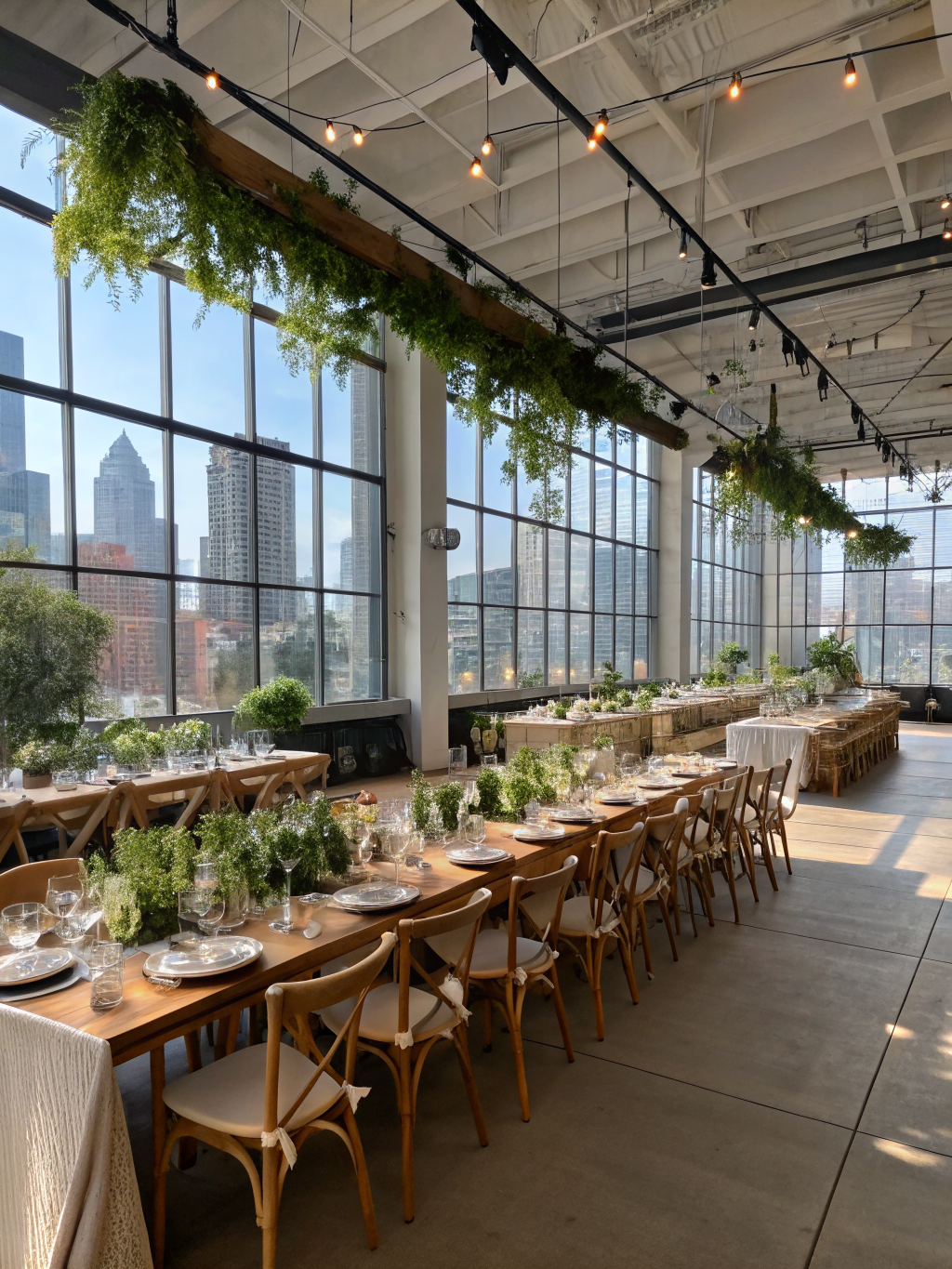
Download: Audit Checklist & Sample Vendor Questionnaire (PDF)
Your checklist covers: certifications documentation, material origin proof, cleaning/reuse SOPs, lifecycle and disposal stats, delivery schedules, pricing transparency, and backup inventory. The 10-question vendor form makes it fast to screen suppliers.
Conclusion
Eco-friendly event decor rental can deliver beauty, ethics, and value—but only if you audit every claim and benchmark costs for your region and event size. The rental market will keep growing, with more planners and couples seeking low-waste choices and sustainable materials. Build on this guide: download the sample budgets, push vendors for full visibility, and share your results to help the movement mature.
Ready to host a zero waste wedding or event? Use our worksheet and vendor checklist before booking your eco-friendly event decor rental—and keep demanding more transparency from suppliers.
FAQ
How can I verify if a decor rental company is actually sustainable?
Ask for third-party certifications (e.g., ISO 14001, Cradle to Cradle), photos of actual stock, chain-of-custody docs, cleaning/reuse logs, and lifecycle proofs. Use our downloadable questionnaire to ensure no vague or unsubstantiated claims.
Is renting eco-friendly event decor actually more expensive?
Sustainable rentals can cost 10-20% more up front, but save on long-term environmental impact and, for medium/large events, are often cheaper than buying new or using lots of single-use items. See the sample budget table for comparison.
What are the best materials for sustainable event decoration?
Bamboo, organic cotton, recycled glass, reclaimed wood, natural fiber accents, and modular decor pieces top the list for 2026. LED and solar-powered lighting are now widely available through leading rental suppliers.
What should a reusable event centerpiece look like?
Consider arrangements with living plants (e.g., succulents, potted herbs), modular vases, or even stainless steel designs. Choose items easy to clean and redeploy—see tablescape inspiration in our meadow style and sculptural floral installation guides.
How do I ensure my flowers are actually locally sourced?
Request invoices or documentation from your rental or floral suppliers that detail flower origins. Many urban vendors list growers by name. In rural areas, request proof of sourcing and transport routes. Avoid ‘local’ claims not backed by specifics.
—
Did you try this inspiration ?
There are no reviews yet. Be the first one to write one.