
Balloon arch installations remain one of the fastest-growing features in event decor, yet getting a durable, cost-effective result requires more than just inflating and stacking balloons. This guide dives into proven, repeatable strategies that balance budget, performance, safety, and the latest design trends—perfect for event planners, small rental companies, and ambitious DIYers alike.
Key Takeaways
- The balloon arch market rides the $2B+ party balloon industry’s momentum, with material and labor choices directly affecting ROI, durability, and compliance.
- Most failures come from structural instability, poor material selection, and skipped safety steps—these can be mitigated with the right frame specs and regionally tested methods.
- New trends—like organic garlands, eco-friendly latex, and tech integration—offer fresh business opportunities for planners who master professional techniques and compliance rules.
- Market size and growth context for balloon arches
- What professionals and high-volume planners need to know (unique insight)
- Most frequent design and installation challenges (practical troubleshooting)
- Standard materials, dimensions, and professional-grade durability specs
- Cost breakdown: DIY vs. professional—by event type and region
- Top content and knowledge gaps to exploit (editorial opportunity)
- Latest trends and innovative designs (2024–2026)
- Safety, regulations, and venue compliance checklist
- Ready-to-use templates: three turnkey build plans
- Cost-saving strategies and when to hire a pro
- Sources, data notes, and further reading
Market size and growth context for balloon arches
No one tracks a balloon arch market in isolation—it’s a specialized area within the global party balloons sector. Still, demand for the balloon arch is increasing, riding on a market expected to reach USD 2.12 billion for party balloons in 2026 and a projected $556.9 million for latex balloon sales that year. This growth is fueled by the explosion of event-driven decor for both private and public functions. By 2035, the global market for party balloons is estimated at USD 3.86 billion (CAGR 6.9%). Regional surges—in the US, APAC cities, and the Middle East—translate directly into arch installs across birthdays, corporate events, and community festivals. This means the balloon arch is not just decorative: it is a key product for party businesses scaling operations and service offerings.
What professionals and high-volume planners need to know (unique insight)
If you’re planning more than one balloon arch a month, small cost savings and minor durability improvements compound quickly. Professional-grade frames (thicker metal or commercial PVC, proper bases, quick-connect joints) help prevent field failures—reported in up to 25% of novice DIY attempts. While the US party balloon market is estimated at $470.11 million in 2024, planners note considerable regional variation: APAC cities show surging urban celebration demand, and helium is 20-30% more expensive there. Investing in higher-end latex (for fewer pops and longer float time), foil balloons (for multi-day installs), and hands-on staff training can reduce unplanned downtime and cut total costs by 10-25% over the course of a year. Smart operators track market prices, avoid one-use frames, and leverage demand spikes with up-to-date design options. For deeper creative layering with events, see our guides on sensory wedding ideas and sculptural floral installations.
Most frequent design and installation challenges (practical troubleshooting)
Balloon arch projects have a high risk of logistical snags you won’t see in standard party decor. Here are the most common problems—and how to avoid them:
- Structural instability: Most arch collapses result from wind exposure, weak connections, or poor anchoring. Always use base weights (50–100 lbs per OSHA/local code) for public events.
- Balloon sizing and matching: Inconsistent balloon size or low-quality latex increases the risk of popping and uneven appearance. Invest in a sizing box or template, and stick to professional-grade brands for round latex (which hold 46% of the market).
- Helium supply/costs: Global shortages mean prices fluctuate, impacting 30–40% of installs. Air-filled frames are a practical solution for outdoor arches or cost control.
- Time and labor: DIY assembly for a 10–20 ft arch typically takes 4–8 hours (individual or small crew). Pro teams can reduce build time to 2 hours, but setup errors spike for inexperienced builders—a 25% failure rate is not uncommon.
- Outdoor durability: Latex breaks down fast under sunlight or heat (8–12 hours outside versus 12–24 indoors); reinforced frames and UV-treated balloons add longevity.
Real-world troubleshooting? Wind breakers and extra tie-downs matter. For more durable, weatherproof party elements, check out stainless steel wedding decor.
Standard materials, dimensions, and professional-grade durability specs
The following spec sheet summarizes what works for high-failure events and public venues:
- Balloons: Round latex (standard 11–12 inch, 46% of global use); Mylar/foil lasts longer in heat, but is less environmentally friendly.
- Frames: Commercial PVC (1–2″ diameter), aluminum, or steel (for large outdoor arches; compare to serpentine event structures) for wind-prone locations.
- Arch dimensions: 10–20 ft wide × 8–12 ft high serve most venues; custom for weddings or corporate installs up to 50+ ft.
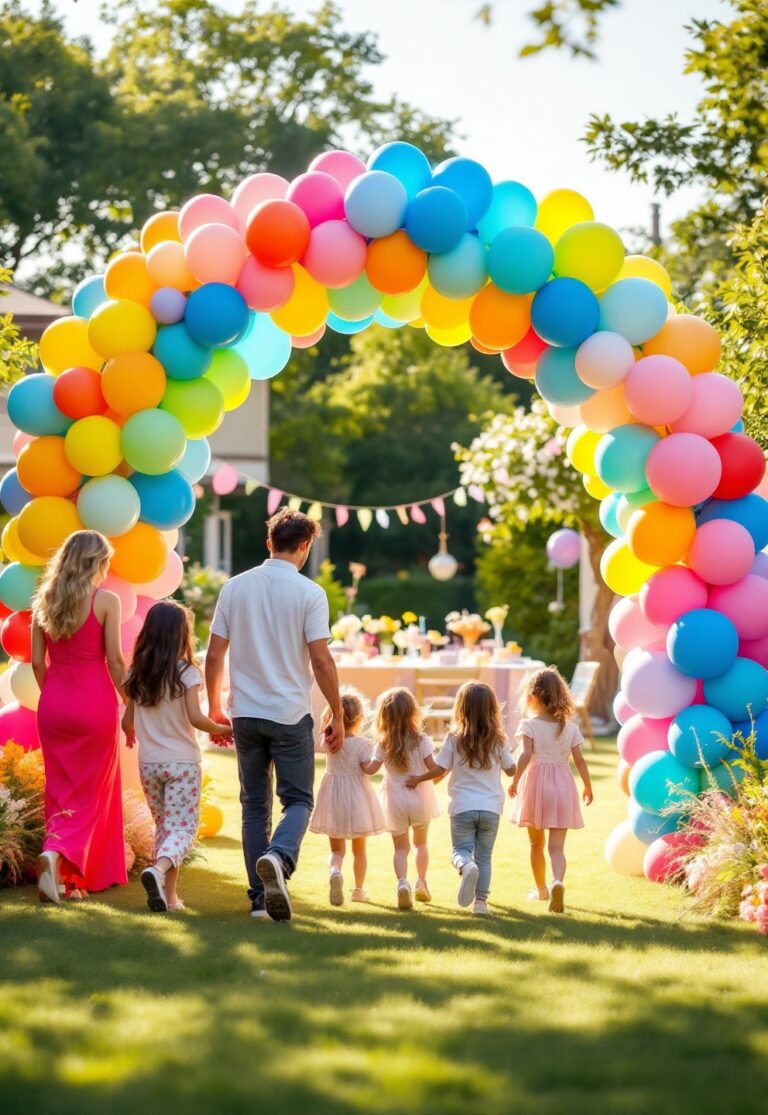
- Patterns and clusters: Double-layer or “garland” styling (5–11 balloons per segment). use precision cluster spacing for best effect.
- Expected lifespan: Indoors (latex) 12–24 hours, outdoors 8–12 hours; foil/Mylar 3–5 days. UV and wind-resistance is crucial for exterior installs; consider chrome/treated latex for full-day events.
Read the full latex balloon market breakdown here for updated specs.
Cost breakdown: DIY vs. professional—by event type and region
Here’s how expenses stack up for a typical 10–15 ft balloon arch:
| Event Type/Region | DIY Cost | Professional Service | Notes |
|---|---|---|---|
| Birthdays (US/North America) | $50–150 | $300–800 | Latex dominant; 34% market share |
| Weddings (North America) | $100–300 | $800–2,000+ | Larger, custom installs; helium adds 40% |
| Corporate/Promotional (Asia-Pacific) | $40–120 | $250–600 | High helium costs, retail/branding focus |
| Community Events (Middle East/Africa) | $30–100 | $200–500 | Simpler, all-air arches favored |
| Global Average | $50–200 | $400–1,200 | Varies with transport, labor, market maturity |
DIY saves roughly 60–80%, but labor intensity and failure rates are real risks. Professional services bundle materials, on-site troubleshooting, teardown, and warranty on collapse. For general party decor budget benchmarks, see this party decoration ideas and cost guide.
Top content and knowledge gaps to exploit (editorial opportunity)
The majority of high-ranking balloon arch articles regurgitate the basics—very few cover these untapped, business-critical subtopics:
- Sustainability: Less than 10% discuss biodegradable options, even as demand rises for sustainable event decor driven by regulations and brand values.
- Engineering/wind-resistance: Physics and real wind-load calculations are missing from almost 90% of tutorials. This is crucial for outdoor, large-scale, or public installs.
- Granular cost analysis: Nearly all guides use vague price bands; nobody lists breakdowns by region, event type, or labor mode.
- Accessibility/allergy guidance: Topics like latex alternatives, wheelchair-safe setups, and allergy-friendly protocols are essentially absent.
- Technology integration: Fewer than 5% explore AR, LED lighting, or smart-inflation engineering. For leading-edge examples, reference AR event decoration trends.
Latest trends and innovative designs (2024–2026)
Staying competitive means keeping up with what’s selling in the market right now—not just what worked in 2019.
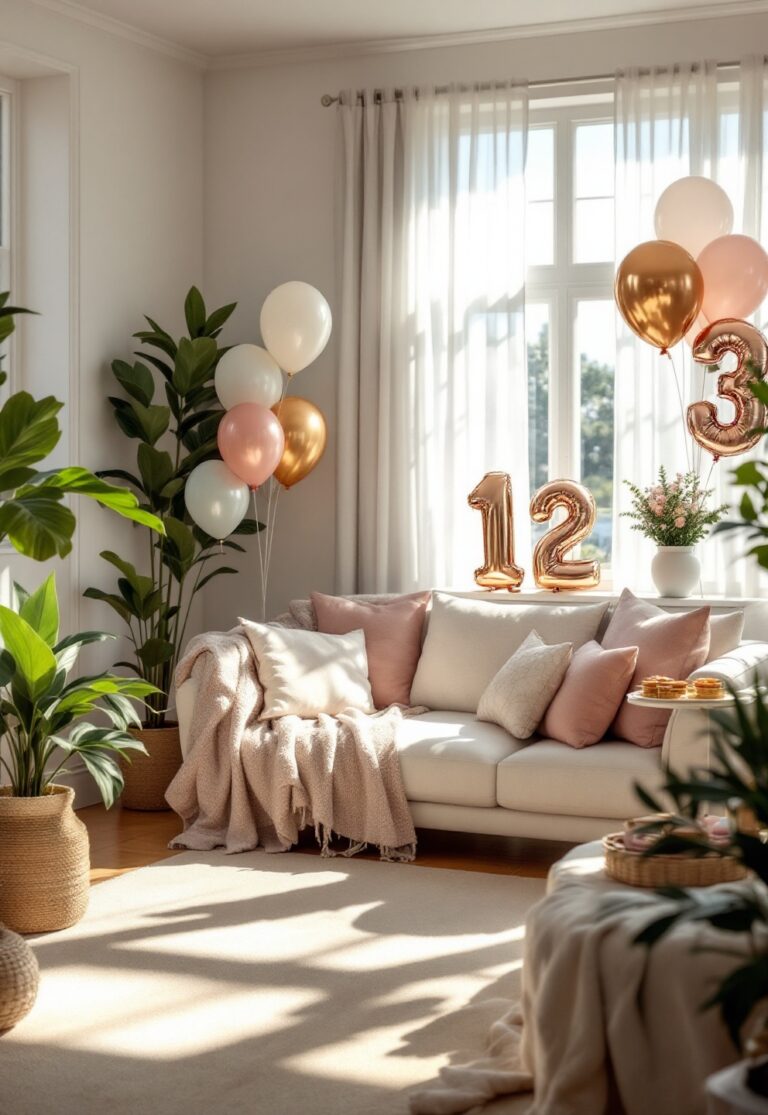
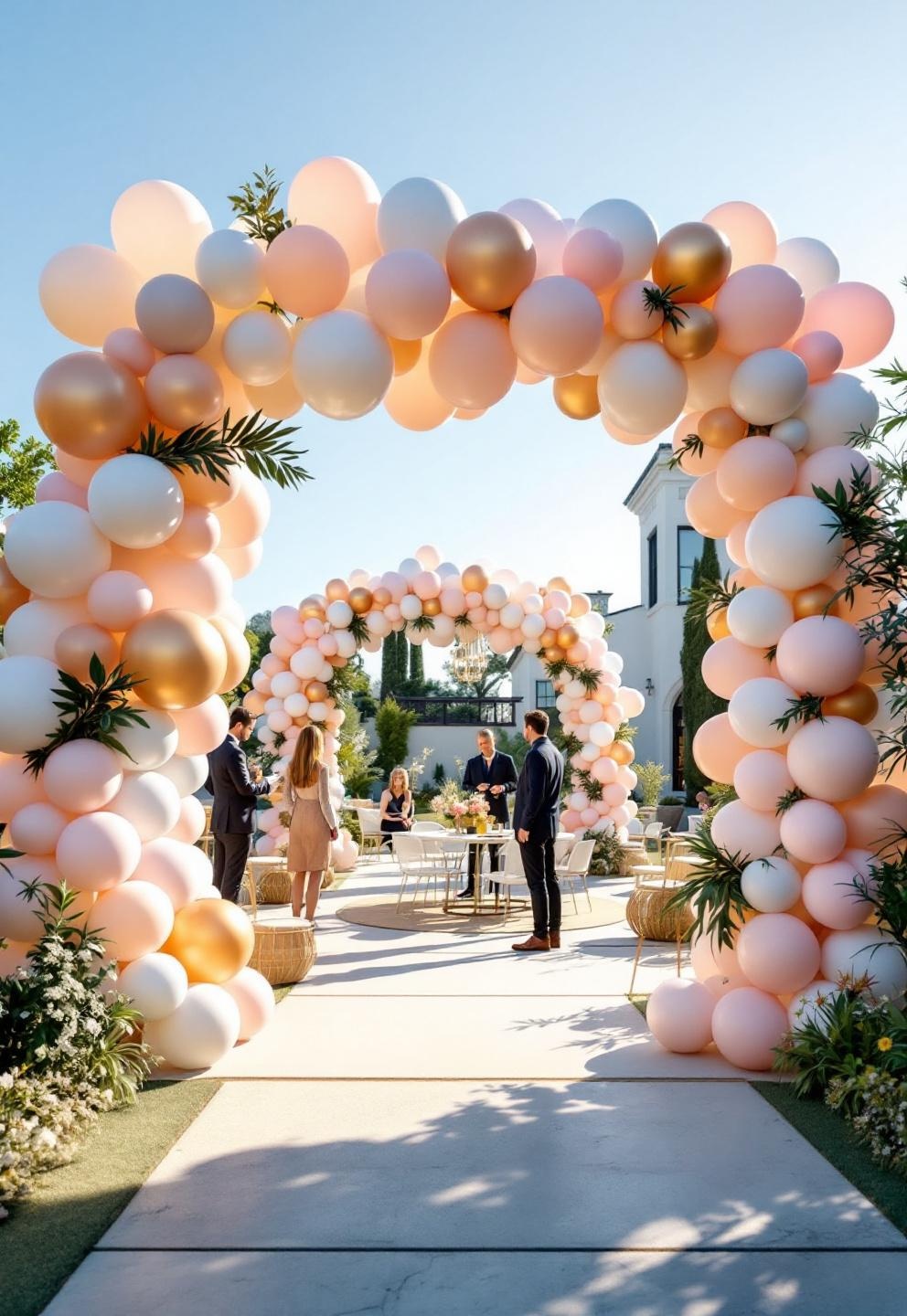
- Organic/garland styles: Loose, asymmetrical arches and cloud clusters now account for ~40% of high-end demand, thanks to Instagram and TikTok styling.
- Biodegradable latex and green designs: Driven by sustainability, natural latex is on the rise (see market trends here).
- Hybrid/LED/Mylar combinations: Balloons with embedded LED lighting, ombre transitions, or metallic foil details dominate wedding, photo backdrops, and branded events.
- Floral/foliage integrations: Blended botanical elements and large-scale, minimalist structures are trending for immersive and luxe environments. Explore more with this meadow tablescape guide.
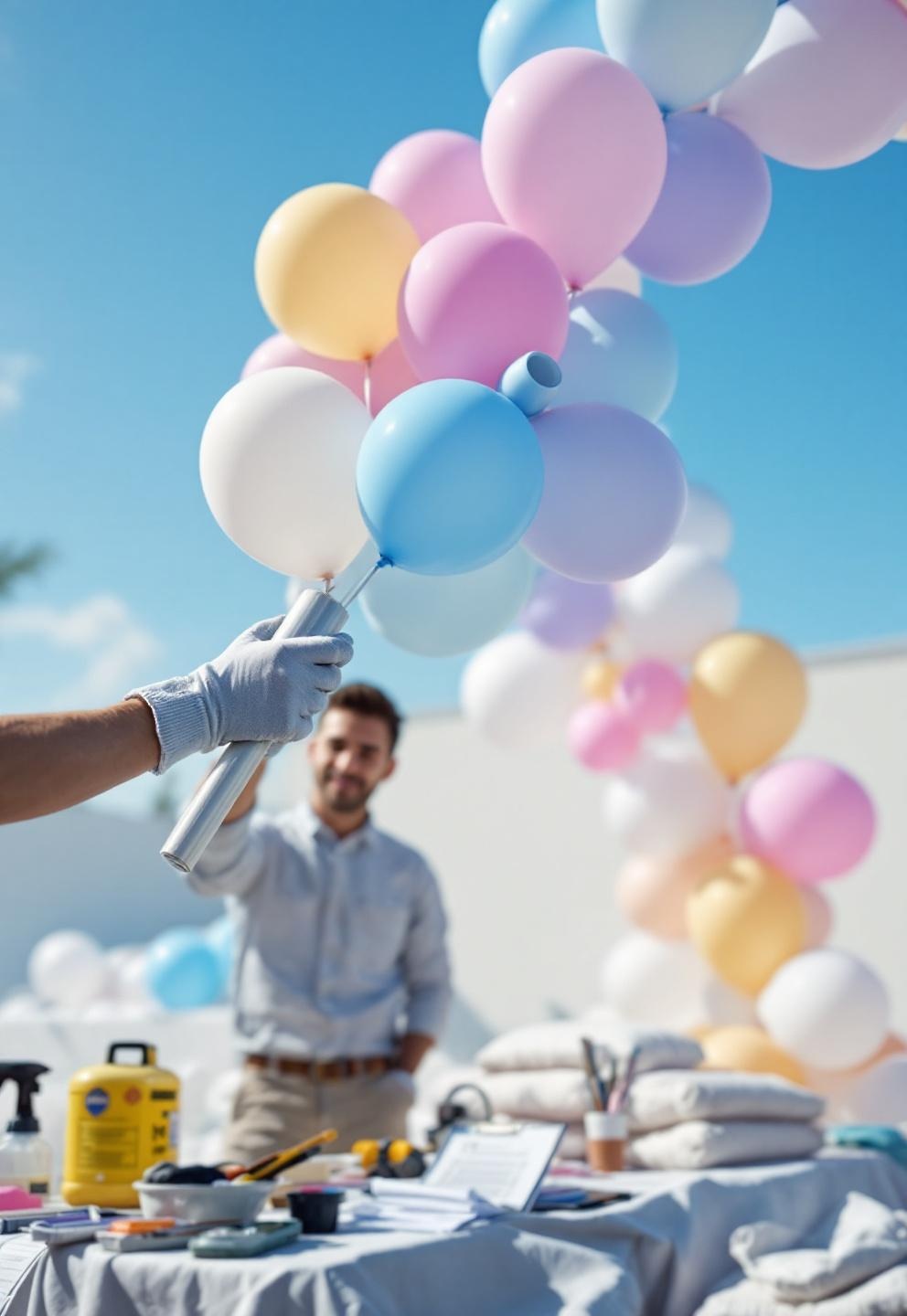
Minimalist, large-scale: Oversized, simple arches are taking over traditional backdrops, especially in milestone and influencer-driven events. Market research shows an annual growth of 6.44% in this zone through 2026.
Safety, regulations, and venue compliance checklist
Omitting key safety steps is a leading cause of on-site incidents and post-event legal headaches. Here’s a quick compliance rundown for any balloon arch build, especially for public or youth-facing venues:
- Choking and allergy warnings: Latex allergies affect 5–10% of guests. Label all latex elements if open to the public and offer non-latex options.
- Anchoring and wind rating: Per OSHA and local code, secure arches over 10 ft with 50–100 lb weights; reinforce outdoor installs with secondary tie-downs.
- Fire and helium safety: Helium cylinders require handling certification; never mix with open flames. H2-float balloons are banned in some venues.
- Permits and insurance: Any arch for public events over 10 ft may need a special permit and documented rigging plan.
- Eco/disposal: Some US and EU venues now fine for latex litter. Deploy biodegradable balloons where possible and clearly mark disposal bins.
For event spaces that restrict traditional décor and inflatables, pair arches with drapery installations for compliant, layered looks.
Ready-to-use templates: three turnkey build plans
Below are three highly repeatable, cost-benchmarked layouts for the most common needs. Adapt as local vendors or material availabilities change:
- (A) Quick DIY 10 ft Garland (Budget)
- Parts: 40–60 latex balloons (11–12”), 1 PVC arch kit (10 ft, ~1” diameter), glue dots, optional mini pump.
- Time: 4–5 hours solo or 2–3 with helper.
- Difficulty: Moderate. Key hazard: weak knots or poorly balanced frame. Use weighted bases on all installs.
- (B) Pro 15 ft Helium Arch (Weddings/Corporate)
- Parts: 75–100 premium latex balloons, 1 heavy-duty arch frame (steel/PVC), large helium cylinder (checked for leaks), professional pump, visual sizing tool.
- Time: 2–3 hours for a two-person trained crew.
- Difficulty: High. Main risk: floating balloons detaching if not secured with proper knotting technique and redundant ties.
- (C) Outdoor Wind-Resistant 20+ ft Frame (Community/Brand Events)
- Parts: 120+ latex or foil balloons, thick-walled metal arch or modular truss, sandbag/water base (100+ lbs per side), outdoor UV-rated balloons.
- Time: ~5–8 hours with three workers.
- Difficulty: Challenging. Minimum two-person setup. Test for stability with wind gusts post install and adjust as needed.
Note: Pro crews reduce failure rates with checklists and training. DIYers should allow extra time and always have a backup anchor or balloon supply ready. Looking for larger-scale inspiration? See how structural florals are executed in this Cloud Dancer event decor report.
Cost-saving strategies and when to hire a pro
The sweet spot for DIY is small, all-indoor arches under 15 ft. When outdoor elements, client PR, or high-value events are on the line, outsourcing pays off. Here’s when to go pro:
- Outdoor installs (wind, UV, high-traffic): Higher collapse risk, significant safety exposures.
- Large arches (>15 ft): Material handling, transport, and structural demands increase complexity exponentially.
- Short assembly window or demanding client specs: Pro labor delivers speed and warranty. Hybrid models (pro-prepped, DIY install) offer good value for mid-range events.
For frequent planners, bulk balloon buys and investing in a reusable arch frame decrease per-event costs long-term. To round out your toolkit, compare options at event decor near me for local rental suppliers and budget benchmarks.
Sources, data notes, and further reading
Direct, dedicated data for “balloon arch” is rare—market insights are always inferred from party balloon, latex, or party supplies research. See the following reports and tools for the latest price, durability, and compliance updates:
- Global Latex Balloon Market Report
- Global Party Balloons Market Analysis
- Party Supplies Market Forecast
- Balloon decoration price and trend report (internal)
To stay ahead within the balloon arch market, monitor global latex and event décor trends and adjust sourcing, compliance, and pricing accordingly.
FAQs about Balloon Arch Installations
How long does a balloon arch last indoors vs. outdoors?
Latex balloon arches last 12–24 hours indoors but only 8–12 hours outdoors due to sunlight and temperature. Foil/Mylar arches may last 3–5 days depending on weather conditions.
What is the biggest cause of balloon arch failure?
Structural instability, usually from insufficient anchoring or wind exposure, is the most common reason for arch collapse. Use proper bases and test stability before your event begins.
What is a realistic budget for a standard 15 ft arch?
DIY setups typically run $75–$200 for a 15 ft arch, including frame and balloons. Professional installation ranges from $400–$1,200, depending on location, scale, and labor costs.
Are latex balloon arches suitable for guests with allergies?
About 5–10% of adults can have latex allergies. Use non-latex/foil balloons or clearly warn guests for high-traffic or regulated public events.
Do I need a permit to install a balloon arch outdoors?
Public installations over 10 ft may require permits, documented anchoring, and sometimes insurance, especially at official venues or public spaces. Check local regulations before starting your build.