
Conference venue hire is a high-stakes, time-critical decision for senior corporate and agency event planners. If you need precise venue specs, realistic cost breakdowns, and true production clarity—not just glossy sales language—this is your field guide.
Key Takeaways
- Demand and attendance for conference venue hire are rising, with 65% of planners expecting higher turnout and 49.4% of bookings still made in-year.
- Venue tech specs, layout-specific capacities, and full-cost transparency are essential for an apples-to-apples comparison—and most venues omit details that matter to production teams.
- Hidden charges, confusing availability, and lack of technical support remain the top planner frustrations—detailed checklists and early lead time planning will directly reduce risk.
- Market snapshot — demand and booking trends to plan around
- The split market — same-year sourcing vs. long-lead premium dates (why this matters)
- What planners are looking for first — the technical and operational specs venues must publish
- Production & AV checklist — the granular specs event teams need
- Room geometry & capacities — publish layout-specific numbers, not a single max
- Pricing transparency — full cost breakdowns and common hidden fees to surface
- Top 5 planner frustrations — actionable fixes venues and articles should provide
- What competitor articles miss — content opportunities to outrank and help planners decide
- Tech and UX strategies venues are using to make specs comparable
- Template: production-ready venue profile — exact fields to collect and publish
- Lead time playbook — when to book based on event type and desired date quality
- Closing — one-page checklist for planners comparing venues
- FAQ
Market snapshot — demand and booking trends to plan around
In 2026 and beyond, conference venue hire continues to see rising demand and increased complexity. Over 40% of meeting planners expect bookings to grow and 65% foresee higher attendance at their events. While the “mega-event” trend persists—with 32.4% of bookings for over 500 attendees—there’s also sustained demand for day-hire and mid-size conference hall rental as 44% of recent US meetings had 100 attendees or fewer. Most crucial: 49.4% of venue bookings are still made “in the year for the year,” making fast action on available dates critical for planners.
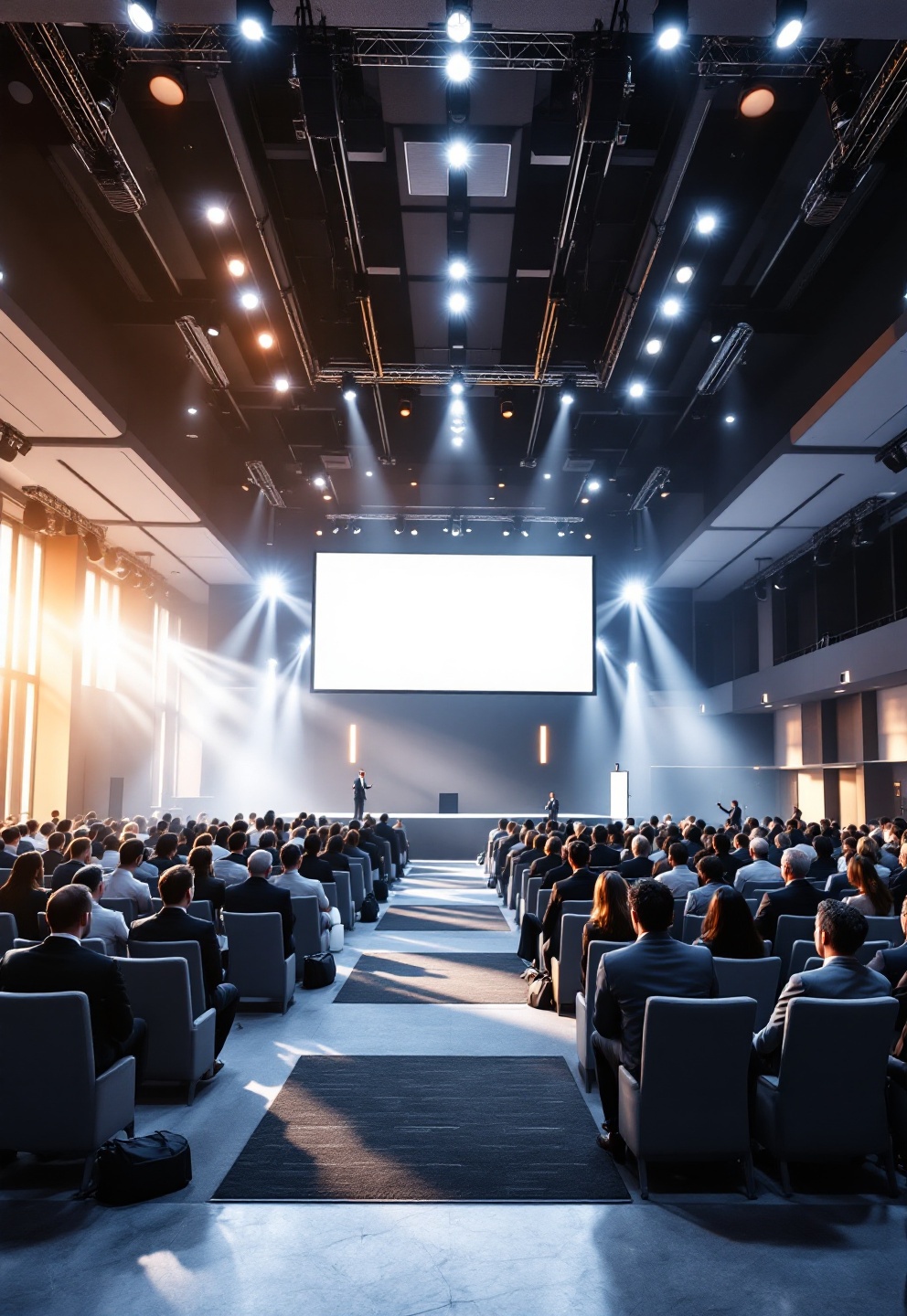
What’s driving this? Higher attendance, sector-wide inflation (especially F&B and event technology), and a shift toward flexible venue formats. Hotels are losing share as conference sites, while purpose-built or alternative venues (with better production specs and outdoor/breakout options) continue to gain ground. See the data for reference.
Key data points:
- Over 40% of planners expect bookings to increase
- 65% expect higher attendance
- 49.4% of bookings made in-year; 9.5% booked 3-5 years ahead
For more trend analysis, see: Rise of flexible, creative venues.
The split market — same-year sourcing vs. long-lead premium dates (why this matters)
The conference venue market is now distinctly split: nearly half of bookings still happen within the same year, but 9.5% of meetings (especially high-revenue and “anchor” events) are locked in 3–5 years in advance. This bifurcation means your approach must adjust to event type and date quality—if searching for a conference venue near me, be ready to move quickly for same-year opportunities, but understand that premium periods may already be unavailable.
This dual behavior shapes not only availability, but also pricing—venues will often hold pricing power over in-year bookings, while negotiating power and inventory may favor planners booking far ahead. Large-scale conferences, citywides, and specialty destination events face especially long lead times.
- 49.4% of bookings “in the year for the year”
- 9.5% of meetings locked 3–5 years early
Operational implication: Always confirm real-time availability and cancellation T&Cs, especially for competitive windows.
What planners are looking for first — the technical and operational specs venues must publish
The era of vague spec sheets is over. Experienced planners won’t shortlist a conference hall rental if baseline technical, operational, and accessibility information isn’t provided. The required categories are:
- A/V and production detail (makes, models, power, rigging)
- Internet (wired/wireless, bandwidth, device capacity, redundancy)
- Acoustics (dB isolation, echo control, ambient noise)
- Lighting (fixed, architectural, blackout options, natural light access)
- Accessibility (step-free access, hearing loops, restrooms, lifts)
- Room flexibility (partitioning, configuration types, moveable walls)
Research confirms: Planners increasingly prioritize exact technical details—if they’re missing, you’ll lose out to more transparent competitors. For a practical example (particularly for sensory or immersive event design), see this guide on multi-sensory event specs.
Production & AV checklist — the granular specs event teams need
Every serious event RFP process now demands actionable, production-level venue data, not just brochure language. For conference venue hire or conference room hire for the day, expect planners to request detail on each of the following:
- Screen types (LCD/LED, size, max resolution per screen)
- Projector models (lumens, throw distance, inputs)
- Stage specs (area, height, modularity, max weight)
- Microphone, console, and speaker inventory (wired/wireless, brands, channel count)
- Mixing desk (brand/model, digital vs. analog, number of sends/returns)
- On-site tech staff availability—rostered by slot/room
- Recording/streaming support (hardwired capture, remote dial-in, blackout protocols)
- Power: location of drops, dedicated circuits, load ratings, backup generator
- Rigging: positions, load limits, attachment types, authorizations needed

Key production gaps venues often fail to disclose:
- Bandwidth and Wi-Fi capacity by attendee count (dedicated vs. shared networks)
- Exact power drop and rigging point maps
- Day-of show support and rates for overtime/unsocial hours
- Redundancy protocols for power/AV/network failover
Before signing, ensure all specs, staffing, and support levels are contractually defined, especially for high-stakes events.
Room geometry & capacities — publish layout-specific numbers, not a single max
The most common—and costly—venue data gap is a single, maximum capacity number with no breakdown by configuration. Senior planners expect a full table of layout capacities for any conference hall rental:
- Theatre
- Classroom
- Cabaret
- Banquet
- Boardroom
Beyond this, expect to see (or demand):
- Usable floor area (m² and ft²)
- Ceiling height (min/max, truss height if relevant)
- Moveable walls and breakout configuration options
- Sightline constraints (columns, built-in obstacles, window blinds)
- Outdoor or terrace access (if possible)
Example: A venue listing “max 600” means little until you know that theatre is 600, classroom is 290, cabaret is 210, etc. For flexible and visually compelling layouts (such as serpentine table configurations), transparent dimensional info is vital.
Pricing transparency — full cost breakdowns and common hidden fees to surface
In 2026 and beyond, more than half of conference planners expect A/V and event tech to rise in price by at least 20%, with some markets seeing increases of up to 50%. The default venue quote is rarely the true total you’ll pay—always seek a line-by-line quote covering:
- Base hire fee (room only, per day/part day/hours)
- Full list of A/V packages with models/specs (and excess usage fees)
- Internet/Wi-Fi: basic vs. dedicated, by speed/device count
- Stage/lectern/risers hire (dimensions, per item/hour pricing)
- Furniture reconfiguration/set-up fees
- Technical operator rates (day, half-day, overtime, callouts)
- Cleaning charges
- Security/staffing (numbers, hours, cost for late finishes)
- Minimum spend requirements (F&B or venue-wide)
- Service charges and gratuities (by %)
- VAT or sales tax
- Overtime and early access fees
- Cancellation and attrition costs
Most pricing confusion stems from undisclosed minimum spends, overtime, or “bolt-on” tech items not available in the first quote. For additional guidance on parsing venue contracts, see this resource on event venue hire pricing.
Reminder: F&B and A/V inflation will be among your biggest cost jumps (source).
Top 5 planner frustrations — actionable fixes venues and articles should provide
- Insufficient data for comparison: Venue web pages rarely show true layout, tech, and capacity granularity. Fix: Insist venues send you their full tech inventory, recent production BEO sheets, and dimensional PDFs before site visit.
- Unclear/rising pricing: Many “all in” rates lack line-item detail. Fix: Require an itemized quote with all service charges, F&B, overtime, and minimum spends broken out early in discussions.
- Inflexible layouts/rooms: Rigid formats block creative staging. Fix: Look for modular or flexible spaces and verify moveable wall types, locking/partition options, and access to outdoor/breakout areas.
- Poor availability visibility: Dates are often not shown real-time. Fix: Prioritize venues with live online calendars or digital booking portals to reduce availability guesswork.
- Inadequate tech/staff support: 29% of planners report shortfall in venue staffing quality. Fix: Assess day-rate availability/responsiveness of in-house engineers and operations leads—request their bio/qualifications if possible (data).
What competitor articles miss — content opportunities to outrank and help planners decide
Most top-ranking articles for conference and events venue miss the details that drive decisions now. Their common gaps:
- Objective A/V specs (listing exact screen/projector models and resolutions, not just “full AV”)
- Internet performance, with concrete bandwidth/device and redundancy info
- Layout capacities for each configuration, not just a universal max
- Details on acoustics, daylight/blackout, and sound isolation
- Full accessibility tech disclosures
- Outdoor, wellness, and breakout space documentation
- Transparent staffing numbers, bios, and support duties
- Complete surcharge and attrition fee disclosure
- Clear long-lead date availability
By surfacing these categories, your venue selection process becomes much more production-ready and defensible. If you also plan immersive or experiential breakouts, refer to guidance on unconventional event spaces.
Tech and UX strategies venues are using to make specs comparable
Smart venues are deploying digital tools for transparency, standardization, and easier comparison. Leading production-ready solutions include:
- Centralized venue-management platforms (publish space usage, live capacity, and calendars in one hub)
- Data-driven, filterable profiles with downloadable dimensional diagrams and A/V inventories
- AI-enabled planning tools that surface likely matches for your attendance, budget, and tech needs
- Interactive digital floorplans that let you test layouts and calculate sightlines/seating instantly
- Digital accessibility and safety feature tagging, surfacing compliant venues
Venues leading with this transparency win more RFPs—determine if your shortlist provides these features early in your sourcing process. For more on this topic, review the full event venue management tech trend analysis at Momentus.
Template: production-ready venue profile — exact fields to collect and publish
For conference hall rental or conference room hire for the day, every venue profile should publish these fields using a standardized PDF, website, or RFP format:
- Headline stats: total area, dimensions (LxWxH), GPS, access map
- PDF floorplan with moveable wall/partitioning map
- High-res room and access photos with 360-street view (if possible)
- Capacities by layout (see previous section)
- Ceiling height, sightline notes, daylight/blackout features
- Detailed AV inventory: models/specs for all built-in tech, list of hard-wired and wireless options
- Internet: bandwidth (per user and total), device capacity, redundancy, backup
- Rigging/power: drop point maps, circuit limits, backup supply specs
- Staff roles, named contacts, day/half-day rates for ops, security, tech
- Full sample quote, including all hidden/extra charges
- Blackout dates and “unavailable” windows visible up front
- Accessibility: ramps, lifts, hearing tech, accessible WCs, signage, parking
- Outdoor and wellness space info
- Availability calendar up-to-date within 72 hours
For inspiration, compare with this event space rental checklist.
Commonly missed details: power/rigging maps, acoustic ratings, daylight/blackout, staff bios, sample contracts, wellness and terrace access.
Lead time playbook — when to book based on event type and desired date quality
| Event Type | Recommended Lead Time | Strategy for “Conference Venue Near Me” Search |
|---|---|---|
| Premium annual/anchor conference (500+ attendees, Spring/Autumn city dates) | 12–36 months | Shortlist alternative venues; hold multiple dates pending internal sign-off; check for early cancellation penalty clauses |
| Midweek or small conference venue hire (under 100–200 attendees, off-peak) | 2–6 months | Search “conference venue near me” and filter for same-year availability, or use flexible date windows |
| Board meetings or pop-up day events | 2–12 weeks | Prioritize venues with instant book or live availability calendars; ask for last-minute/off-peak discounts |
Key stat: 9.5% of events booked 3–5 years ahead, but almost 44% of U.S. meetings in 2024 were for 100 or fewer attendees—so small conference venue hire and conference room hire for the day remain widely available on shorter notice.
Local search tip: Use location-based filters with “conference venue near me” and verify live inventory when date flexibility is possible.
Closing — one-page checklist for planners comparing venues

Before you select or recommend any conference venue hire, run this quick RFP/site-checklist:
- Request full PDF floorplans with all room configs marked
- Obtain line-item quote (base hire, full AV, F&B, cleaning, security, minimums, tax, surcharges, overtime, cancellation)
- Ask for tech inventory (model numbers, power/rigging map, network diagrams)
- Check accessibility features and ask for detailed photos/video walkthrough
- Verify live date availability—never trust “available on request”
- Review recent event photos, ideally of similar scale/setup
- Ask for named ops/tech manager contacts with their backgrounds
- Sort red flags: generic all-in pricing, missing layout capacities, hidden service charges, “by request” A/V
Remember: A/V and event tech are the fastest-rising cost lines, and missing details mean higher risk later. For event planners sourcing small or large venues, full transparency up front means fewer surprises and smoother delivery.
Need supplier, entertainment, or catering to complete your venue plan? See our resource on event entertainment hiring.
FAQ
What technical specs are most important to check when shortlisting a conference venue?
Focus on A/V equipment type and placement, connectivity (bandwidth, redundancy, device count), power and rigging options, accessibility features, and published capacities by layout. Ask for detailed floorplans and a model-by-model breakdown of production gear.
How far in advance should I book for premium dates?
For high-demand windows (spring, autumn, major cities), 1–3 years lead time is now standard, with some anchor events booked up to 5 years out. For smaller meetings or off-peak, 1–6 months is usually sufficient.
What are the typical hidden fees in conference venue hire?
Common extras include A/V upgrades, internet bandwidth, overtime or early access, minimum F&B spends, cleaning, security, and service charges (gratuities, admin). Always require full line-by-line quotes with VAT/tax breakdowns.
How can I compare ‘conference venue near me’ listings more accurately?
Look for venues that publish exact specs, live availability calendars, sample floorplans with seating by configuration, and full pricing. Avoid listings with “on request” or missing details for layout and technical support.
Why is live date visibility so crucial for venue booking?
With nearly half of events booked same-year but many premium slots locked years ahead, instant visibility on slot availability prevents wasted RFPs and lets your team act decisively.
—