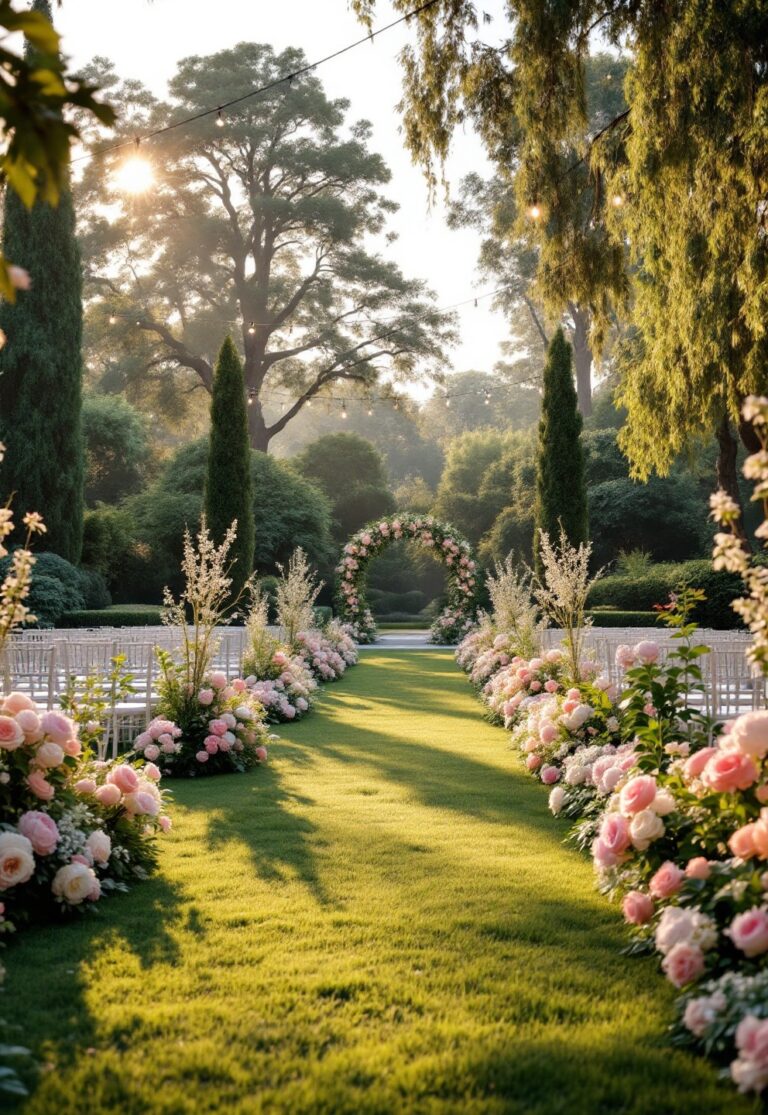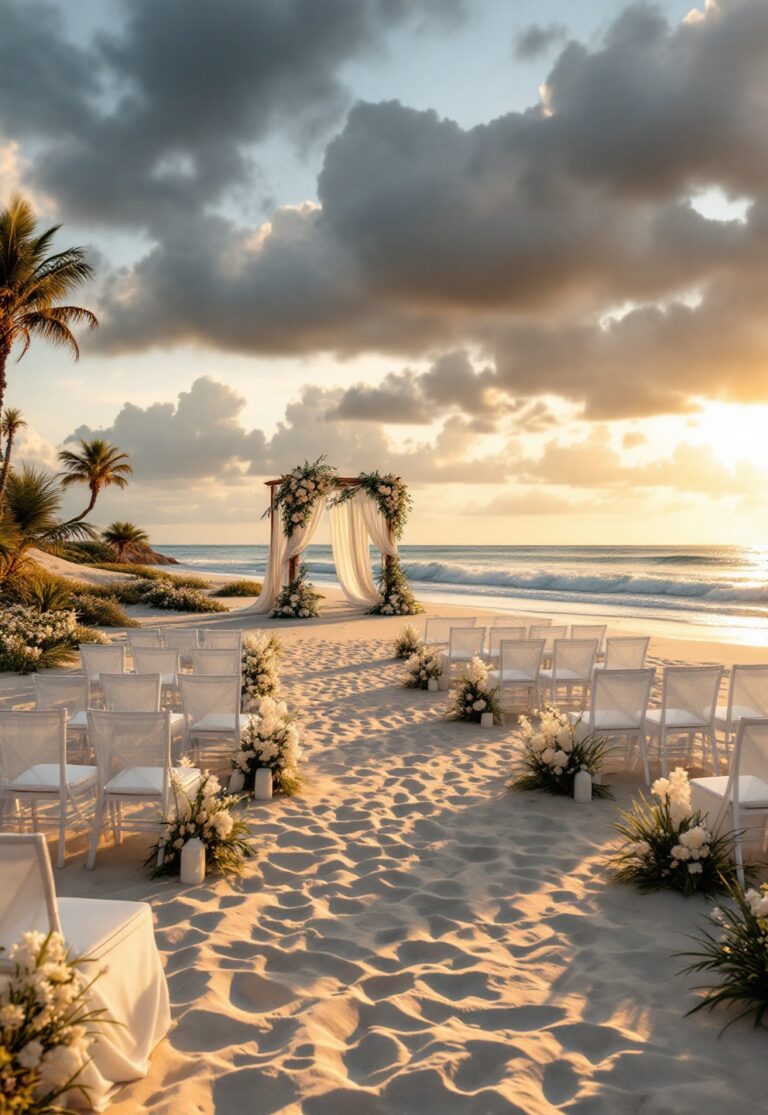

- Why Vineyard Wedding Venues Are Still Trending (2024–2026)
- Realistic Cost Breakdown — What You’ll Actually Pay
- Regional Pricing Snapshots & Seasonal Discounts
- Guest-Count Trends & Budget Reallocation
- Seasonal Timing — Best Months, Harvest Challenges & Weather Risks
- Environmental & Contingency Planning: Wildfire, Smoke, Heat
- Common Pain Points Couples Face (and How to Avoid Them)
- Wine Pairing & “Rustic Elegance” Styling — Seasonal Best Practices
- Permits, Zoning & Legalities: What to Check Before You Book
- The Logistics Playbook — Transport, Parking, Accessibility
- Negotiation Levers & Budget-Saving Strategies for Winery Weddings
- What Most Articles Miss — Advanced Details That Matter
- Sample Budget Templates & a 12-Month Planning Timeline
- Smart Questions for Vineyard Venue Site Visits
- How to Make a Vineyard Wedding Feel Like Yours—Without the Surprise Bills
Why Vineyard Wedding Venues Are Still Trending (2024–2026)
Couples and planners continue to make vineyard wedding venues some of the most in-demand event locations worldwide. The global wedding venue market hit $45.2 billion in 2023 and is growing at 7.2% annually — much of it coming from the rise of boutique, experience-driven venues like wineries and estate vineyards (source). In the U.S., wedding venue revenues reached $28.6B just last year, and the average total venue spend is around $15,000 (site fee plus food and beverage) for premium sites. Australian data puts reception venues — driven by winery, garden, and estate bookings — at 46% of overall wedding budgets. And 72% of couples say scenic views are their deciding factor for venue choice.
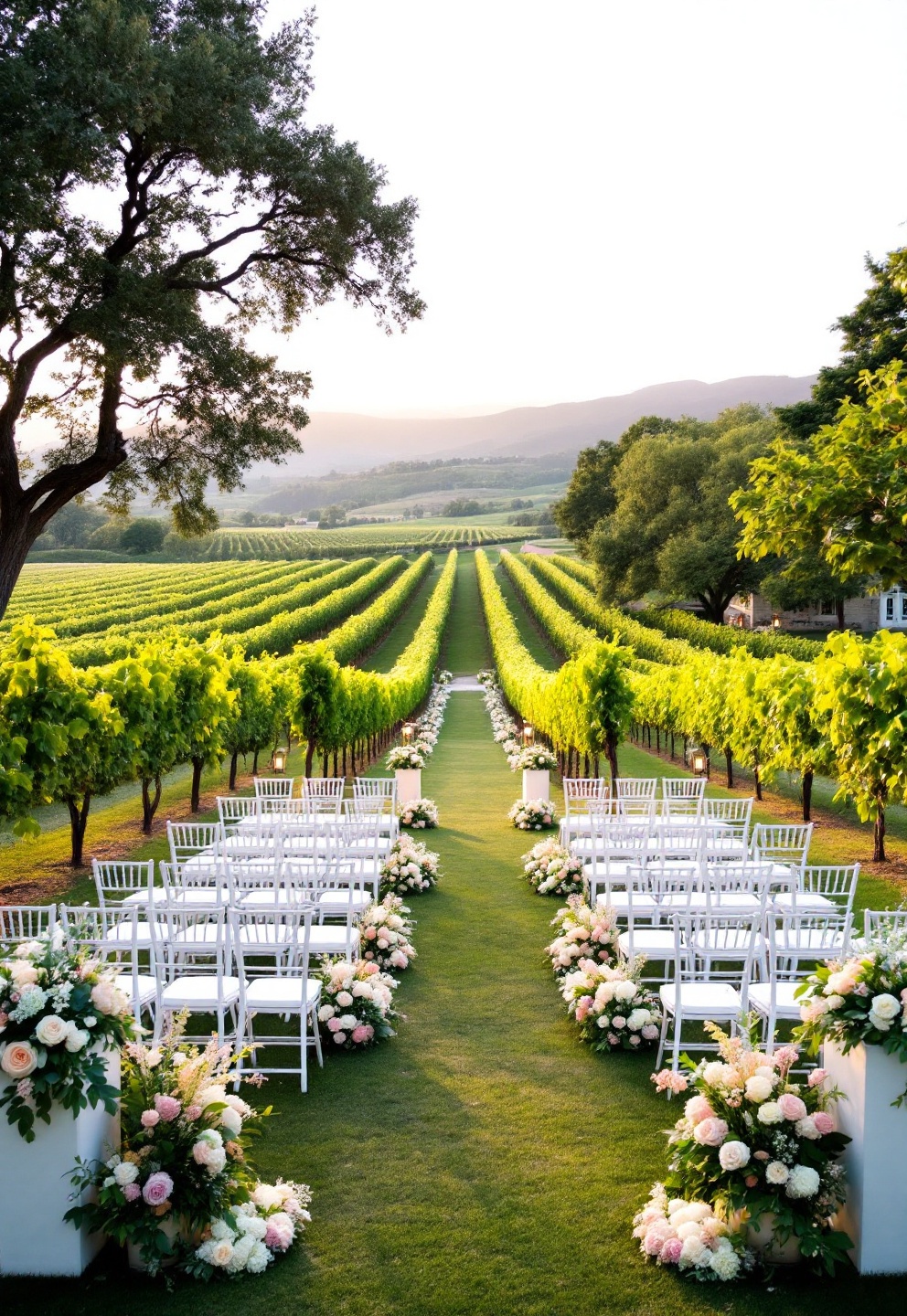
Supply hasn’t kept up with demand, especially for weekends during temperate months. This means prices are rising, peak dates are competitive, and working vineyards are choosing carefully which and how many private events to book — all of which make early, informed planning essential.
Realistic Cost Breakdown — What You’ll Actually Pay
Vineyard and winery wedding venues use different pricing models than city hotels or conventional halls. Here’s what typically makes up your spend:
- Site Fee / Venue Hire: In premium regions like Napa/Sonoma, site fees often range $10,000–20,000+ for a Saturday — this may include exclusive use and some basic amenities, but not always tables, chairs, or décor.
- Food & Beverage Minimums: Per-person packages (usually required) range $150–$350+ (USD) per guest, with wine often a separate charge. For 80–100 guests, catering plus wine commonly hits $25,000–$35,000 or more (even higher if you upgrade to reserve wines and multi-course meals).
- Service Charges & Taxes: Add 20–30% combined on all F&B line items — often not included in initial quotes.
- Rentals & Styling: Specialty furniture, upgraded linens, florals, and lighting for an “estate elegance” look commonly run $8,000–15,000+.
- Photography & Music: Expect to budget $5,000–10,000+ for experienced pros and live entertainment at winery-scale receptions (event entertainment options here).
- Transportation: Rural venues often require shuttle buses and sometimes guest accommodation blocks, adding $1,500–5,000+ depending on guest count.
For Australian estate vineyard weddings, expect $17,988 (Victoria) to $18,662 (Sydney) for site fee alone, with the total event budget typically $35,000–40,000+ once F&B, styling, and logistics are added (source).
Regional Pricing Snapshots & Seasonal Discounts
Napa/Sonoma, CA: Peak Saturday rates: $12,000–$22,000 for site fee. Per-person F&B: $180–350+. Only a small number of estate vineyards offer winter or weekday discounts, typically 20–30% off.
Australia (Victoria, Barossa, Hunter Valley): Average winery hire: AUD 17,988–18,662. Most venues provide 20–30% savings for Fridays, Sundays, and “shoulder” months (winter or early spring). Micro-weddings (40–60 guests, weekday) can tap curated packages, often under AUD 25,000 total.
Smaller Wine Regions (Oregon, Portugal, Finger Lakes, New Zealand): Lower peak pricing but similar patterns — Friday, Sunday, and off-season events are commonly 20–30% less.
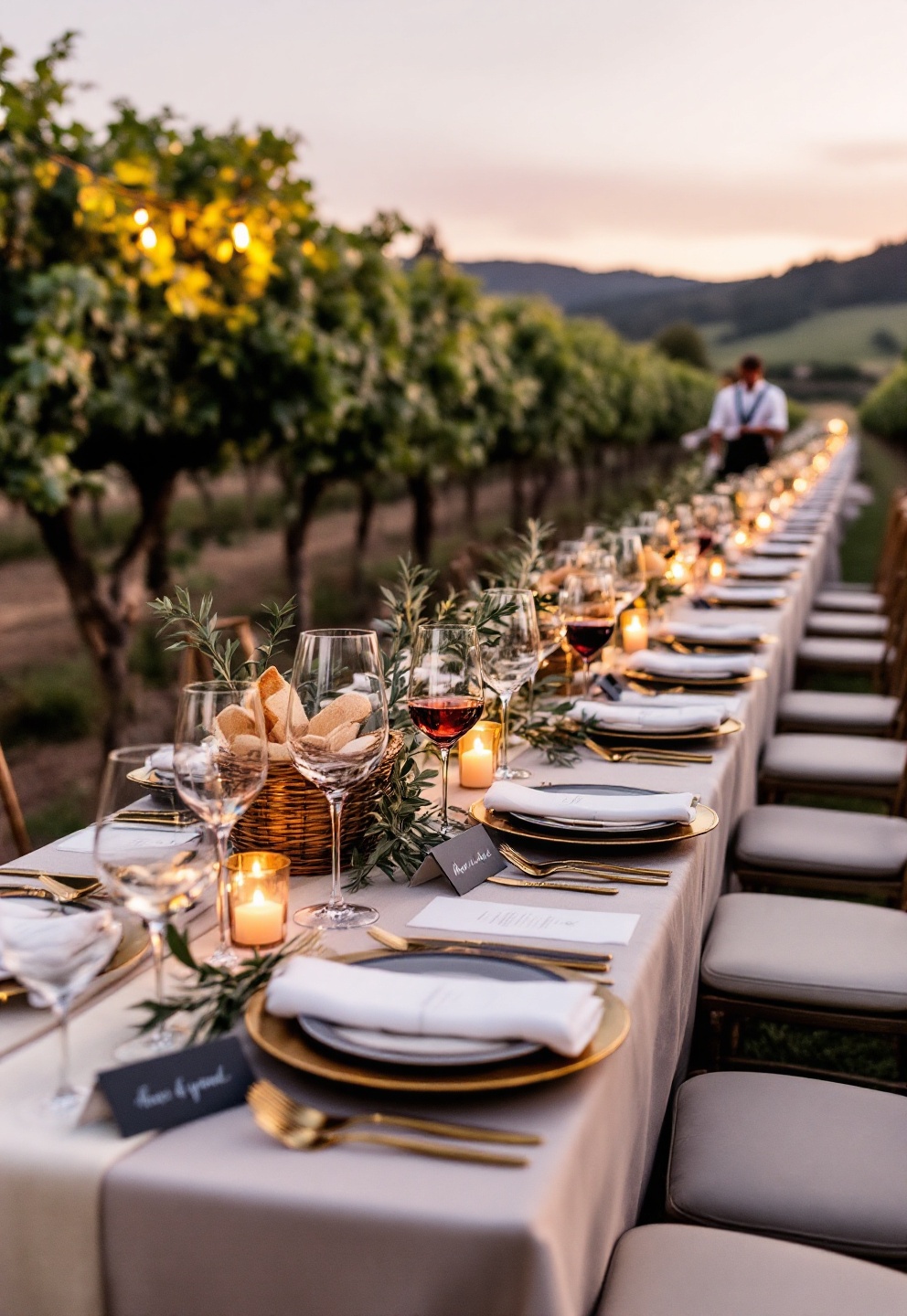
Pro tip: Always compare day-of-week and month-to-month pricing. Booking for a Friday or Sunday can yield significant savings while still delivering a premium experience. For destination regions, ask about weekday micro-wedding or “elopement” packages — these are a growing segment with lower cost entry points.
Guest-Count Trends & Budget Reallocation
Guest lists are shrinking, but per-guest spend is climbing. In 2023, global average guest count dropped to 116; Australian vineyard weddings average just 85 actual seats, even from a planned 108, as couples trim numbers to keep budgets workable. Fewer guests mean you allocate more per person — often allowing better food, wine, décor, and entertainment — but also means the “base costs” of the venue, shuttles, and core staff don’t go away.
For grape vineyard receptions, every 10 guests added can increase your total budget by $2,000–5,000 USD (site and F&B minimums), depending on your menu and drink selections. Deciding early whether to prioritize guest experience or max headcount will let you contain budget surprises.
Seasonal Timing — Best Months, Harvest Challenges & Weather Risks
Choosing your wine country wedding date is about more than scenery. Here’s what to know:
- Late Spring (April–June): Best for mild weather, green vines, fresh blooms. Peak date demand, but avoids the worst heat and wildfire risk in CA and Australia.
- Summer (July–early Sept): Long days, but increasingly hot and dry, with a higher chance of wildfire/smoke disruption in North America. Outdoor comfort can decrease rapidly after 3pm.
- Harvest Season (Late August–October): Visually spectacular (vines laden, golden light, fall foliage), but highest rates and may conflict with busy winery production — venue access and event hours might be more limited.
- Winter/Early Spring (Nov–March): Lowest prices, ideal for barrel room or indoor receptions (think candlelit romance), but expect dormant vines and colder nights — less “vineyard vista” but more availability and flexibility.
For garden or vineyard style celebrations, confirm with your venue how they adapt to rain or temperature spikes; many provide high-quality indoor options, but some are limited.
Environmental & Contingency Planning: Wildfire, Smoke, Heat
If you’re planning in Napa/Sonoma, Hunter Valley, or Australian wine country, wildfire smoke and air quality are now mainstream concerns. Many vineyard wedding venues have adopted “smoke clauses” in their contracts, specifying what occurs if air quality, poor air quality, or fire evacuations disrupt an event. Ask about:
- Is there a designated indoor or protected space as backup?
- Does the venue maintain backup power or defensible landscaping?
- Are weather/smoke-related postponements or refunds contractually outlined?
Experienced planners recommend these protections as a baseline in 2024–2026. A few venues invest in backup generators or partner with local hotels for last-minute relocations — clarify these options before booking.
Common Pain Points Couples Face (and How to Avoid Them)
Access & Parking: Rural vineyard roads can be narrow with limited parking. Many counties mandate shuttle buses for groups over 60–80 to manage traffic. Always confirm if shuttle use is required — costs can escalate quickly for large parties.
Noise & Curfew Rules: Noise curfews are common. Expect amplified music cutoff times of 10–11pm, sometimes earlier, regardless of your vendor or guest wishes. Obtain these rules in writing.
Hidden Service Fees & Taxes: F&B is often quoted without mandatory 20–30% service/tax lines — these can add $5,000+ above your estimate. Review a fully itemized quote up-front.
Vendor Coordination: Wineries may require you to use preferred or in-house vendors, which can constrain your choices or introduce unfamiliar suppliers. Know where flexibility is possible and make sure vendor deadlines are tightly coordinated.
Consult event-specific guides for outdoor event risk management and nature-themed wedding logistics for extra detail.
Wine Pairing & “Rustic Elegance” Styling — Seasonal Best Practices
Winery weddings now trend toward “refined estate” looks, integrating local heritage, natural textures, and modern design — rustic themes are fading slightly in favor of classic, romantic, or minimalist decor (classic: 18%; romantic: 17%, rustic: 16% in 2026 AUS/U.S. surveys).
- Spring: White and rosé wine pairings complement lighter menus and pastel, botanical decor.
- Summer: Emphasize chilled whites, sparkling, or rosé; keep décor light and breathable, using the vineyard’s green rows as a setting and leveraging sunset for photos.
- Autumn: Feature robust reds and rich menu pairings, with deep palettes, candlelight, and textural accents reflecting harvest bounty — “rustic luxe” styling is popular here.
- Winter: Lean into full-bodied reds and fortified wines. Indoor barrel rooms offer intimacy; minimalist table settings with warm lighting and organic textures work best.
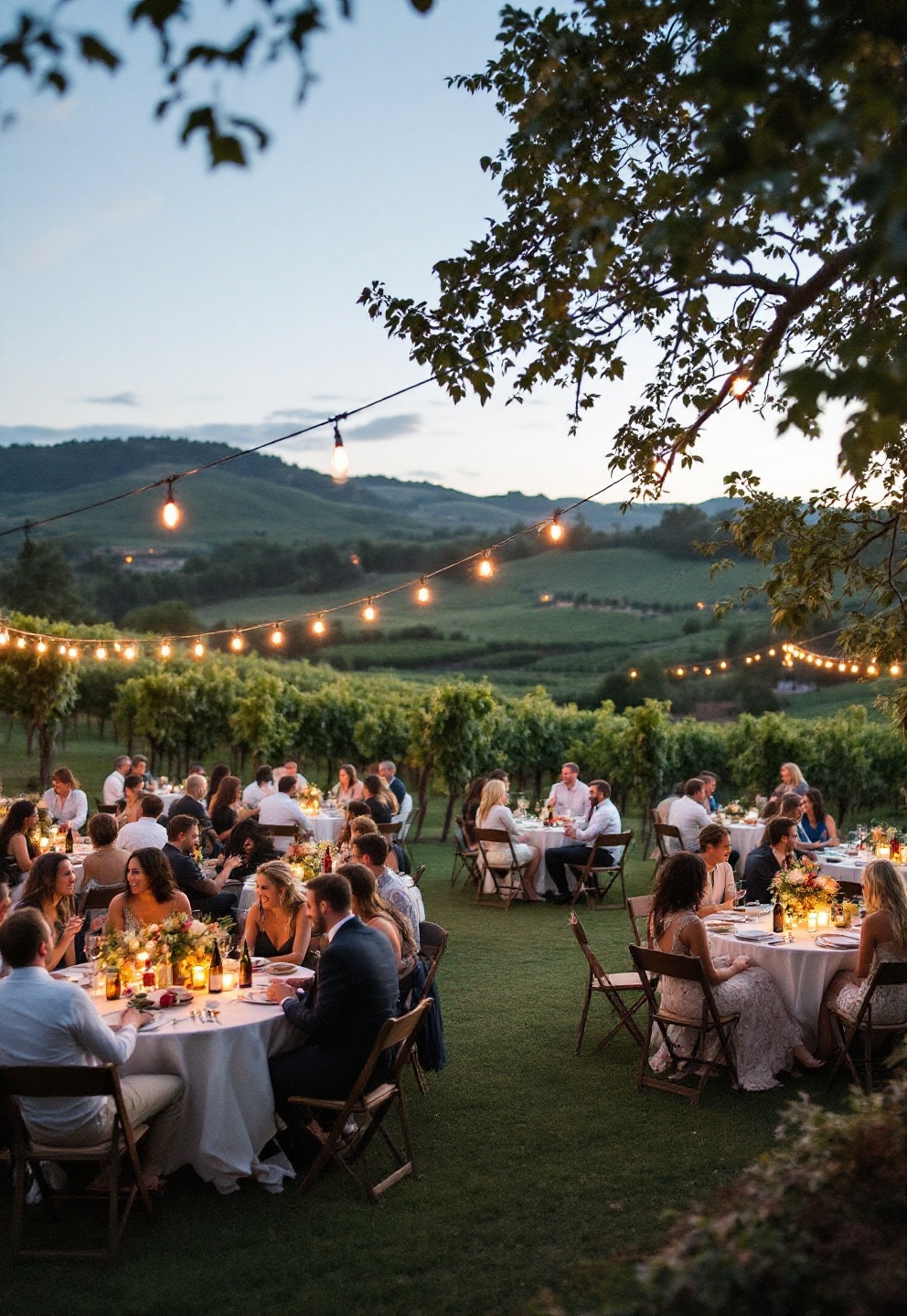
For more on immersive decor, see our guide on sensory wedding ideas.
Permits, Zoning & Legalities: What to Check Before You Book
Here’s a checklist of what to verify for vineyard wedding venues:
- Is the property zoned to allow your guest count, and frequency of events?
- Does the site have current permits for food service, alcohol, and (if needed) civil marriage ceremonies (particularly for UK, Australia, and some U.S. states)?
- What are the official noise, music, and closing hour restrictions?
- Is a special event insurance policy required for outside vendors or pyrotechnics/candles?
- Are there traffic management/shuttle mandates written into local law?
In the UK, venues must comply with government food hygiene standards and civil ceremony licensing. In the U.S. and AUS, working vineyards may have event size/frequency caps — ask for documentation.
The Logistics Playbook — Transport, Parking, Accessibility
Guest experience hinges on thoughtful planning for vineyard locations:
- Shuttle Buses & Guest Flow: Most grape vineyard receptions require centralized hotel pickup and scheduled shuttles. Build 30–45 minutes for arrivals, factor rural roads’ speed limits, and schedule staggered departures at night.
- Parking: Offsite or remote parking may be required, adding need for signage and hosts to direct guests especially in the dark.
- Accessibility: Confirm paved or level walkways, ramps, and accessible restrooms. Some vineyards have steep terrain, gravel paths, or uneven lawns that complicate mobility.
- Timeline Planning: For rural wine country weddings, successful timelines follow: Arrival/shuttle (30–45 min window) → Welcome drinks/cocktail (30–45 min) → Ceremony (30 min) → Vineyard stroll/photos (30 min) → Seated dinner → Dancing/afterparty (adjusted for noise curfew).
Consider linking group bookings for hotels and event spaces, and reference our exclusive venue hiring tips for additional insight.
Negotiation Levers & Budget-Saving Strategies for Winery Weddings
Top ways to protect your vineyard wedding budget:
- Select non-Saturday dates: Most venues offer 20–30% off for Fridays, Sundays, or winter/shoulder seasons.
- Limit guest count: Cutting 10 guests can save $2,500–4,000 through F&B and logistics alone.
- Prioritize house wines: Opt for the estate’s signature labels (often included) over premium upgrades unless you’re passionate about top-tier pairings.
- Negotiate minimums and packages: Request clarity on minimum spends and whether micro-wedding bundles (intimate guest counts, abbreviated timelines) are available.
- Cap add-ons: Agree in advance on limits for “rental upgrades,” and get all service fees in writing.
Do not cut corners on weather contingency spaces or insurance — in vineyards, these are mandatory, not “nice-to-haves.”
What Most Articles Miss — Advanced Details That Matter
Common online guides on vineyard wedding venues tend to focus on the obvious (views, wine, rustic themes) but often skip:
- Detailed zoning rules: Some vineyards can only host a set number of events per year. A few are actual production sites — meaning harvest season will dictate space or even day-of event disruptions.
- Shuttle & traffic plans: You need to plan not just for arrival but for safe night departures with tired guests, dark rural roads, and sometimes wildlife hazards.
- Smoke/wildfire contract clauses: Always get this in writing — what triggers a postponement, fee changes, or alternative venue arrangements?
- Accessibility: Terrain and paths at vineyards can be beautiful but challenging for any guest with mobility needs. Press for details, not just general assurances.
- Date scarcity and pricing dynamics: Flat wedding counts paired with higher budget weddings means even “mid-range” vineyards are booked far out at full price, with little room for late-stage negotiation.
More on inclusivity in rustic/outdoor weddings can be found in our immersive landscape wedding guide.
Sample Budget Templates & a 12-Month Planning Timeline
Template A: 85–100 Guest Mid-Range Estate Vineyard Wedding (U.S.)
- Venue & Site Fee: 30% ($10,000)
- Food & Wine: 32% ($11,000)
- Decor & Flowers: 10% ($3,500)
- Photography: 7% ($2,400)
- Music/Entertainment: 5% ($1,700)
- Transportation/Accommodation: 8% ($2,800)
- Misc & Contingency: 8% ($2,800)
- Total: ~$34,200
Template B: 40–60 Guest Upscale Micro-Winery Event (Australia)
- Venue Hire: 35% (AUD 12,000)
- Food & Wine: 33% (AUD 11,000)
- Decor/Flowers: 13% (AUD 4,200)
- Photography: 8% (AUD 2,600)
- Transport/Accommodation: 7% (AUD 2,200)
- Misc & Contingency: 4% (AUD 1,200)
- Total: ~AUD 32,000
12-Month Timeline Snapshot:
- 12M+: Research/vetting, site visits, book venue (first payment/deposit), confirm key regional permits
- 10–9M: Secure catering/wine package, book core vendors (photo, music), reserve shuttles/accommodation blocks
- 8–6M: Confirm styling/design direction, request draft rental/service add-on estimates, start guest list
- 6–3M: Finalize headcount, send invites, confirm weather/wildfire contingency details in writing
- 2–1M: Confirm shuttles, accessibility, insurance, finalize menu, pay remaining vendor balances
- Event week: Walkthrough with planner, review weather, transport, backup plans, and vendor load-in/out times
For more detail on splitting costs for food and beverage, check our catering guide.
Smart Questions for Vineyard Venue Site Visits
- What is the maximum legal/operational guest capacity?
- What’s the noise/music curfew and how rigorously is it enforced?
- Are shuttles or offsite parking required by county law?
- How often do production/harvest activities interfere with events?
- Is an indoor backup (with capacity for your full party) included or guaranteed?
- Which wines are available in basic vs. premium packages, and can we sample these?
- Will we receive an itemized estimate including food, beverage, service, tax, and all mandatory add-ons?
- What do weather, fire, or smoke contingencies look like in writing — refunds, postponements, relocation?
- What insurance coverage do you hold and require from vendors/couples?
Be wary of venues that are vague about costs or contract terms. Demand all mandatory fees up front — not just the base site fee!
How to Make a Vineyard Wedding Feel Like Yours—Without the Surprise Bills
The secret to an authentic (and affordable) wine country wedding is to understand—and lock in—your non-negotiables early: date/season (for weather and pricing), guest count, and set per-person maximums for food and beverage. Use contracts that anticipate contingency needs. Select your styling to fit the season and prioritize meaningful wine choices over “expensive” ones. Most importantly, build in time for thoughtful planning rather than last-minute surprises—because at vineyard wedding venues, what you don’t know can absolutely add thousands to your bill.
For more expert event planning resources, explore our Ultimate Event Planning Guide.
How far in advance should I book a vineyard wedding venue?
For popular wine regions, secure your date 12–18 months in advance, especially for Saturday events during late spring, summer, or harvest. Shoulder seasons and weekdays may offer availability 6–9 months out.
What happens if wildfire smoke or weather disrupts the day?
Many venues now include smoke/weather clauses allowing reschedule, relocation to indoor spaces, or partial refunds. Always ensure specifics are written into your contract before you sign.
Are there hidden costs I should look for with winery wedding venues?
Yes: mandatory shuttles, service charges (20–30% on F&B), wine upgrades, and extended event hours can add thousands. Request a fully itemized estimate and ask when penalties or surcharges apply.
Can we have live entertainment at a vineyard wedding?
Generally yes, but always check noise curfews and venue-approved vendor lists. Amplified music end times vary from 9–11pm, depending on rural zoning and neighbor proximity.