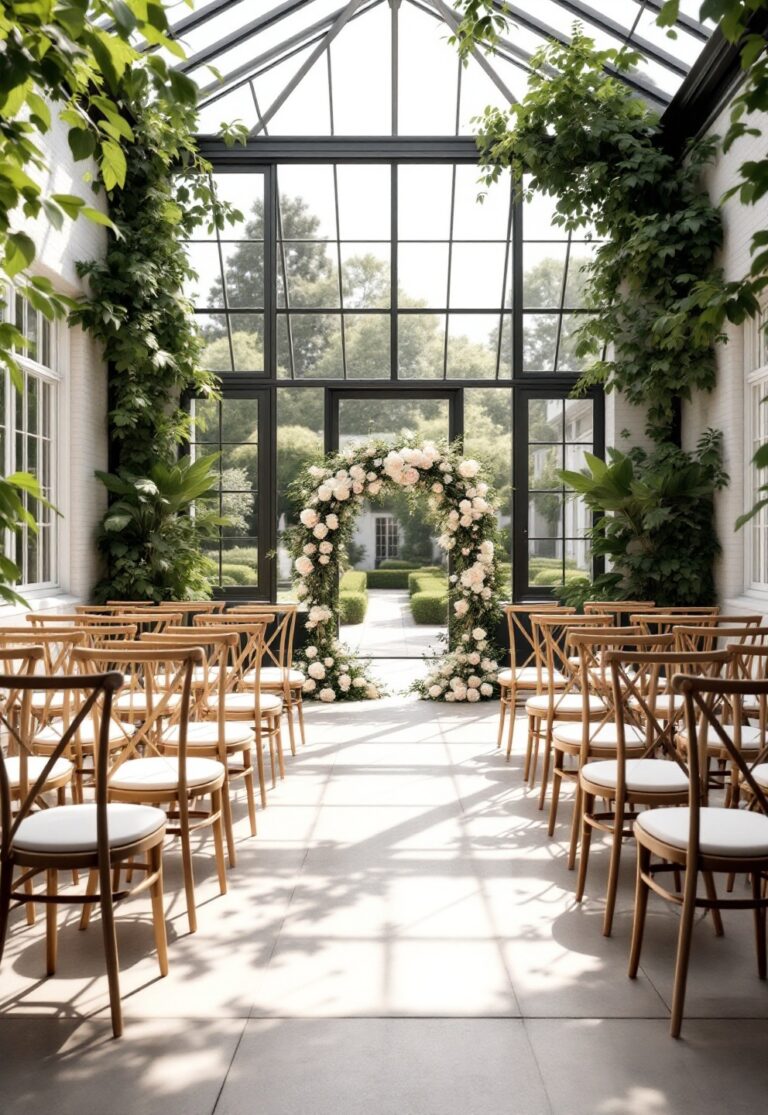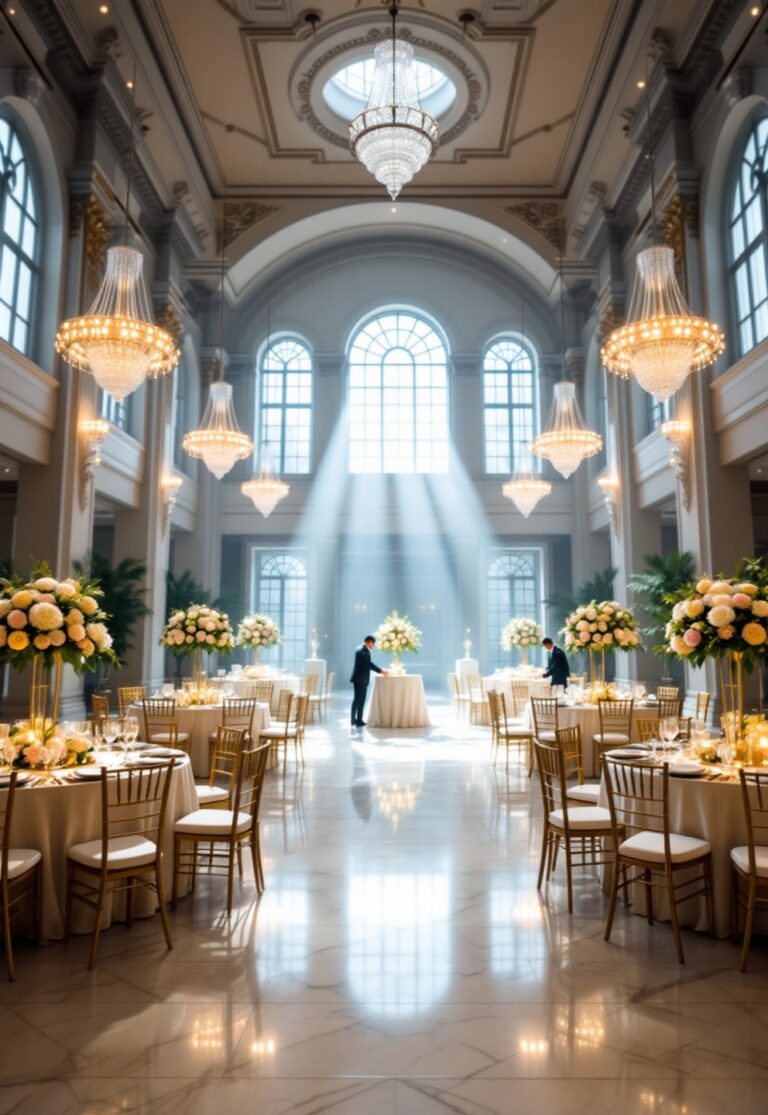

Quinceanera venue selection is one of the most important—and stressful—parts of celebrating a daughter’s quinceañera in the U.S. If you’re María or José planning for your family, you know that not every party hall is equipped for a real quince, and what works for a wedding may not fit your traditions or budget. This guide covers what generic venue guides miss: cost comparison, technical room specs, and the culturally specific checklist that puts your family’s values first.
Key Takeaways
- Not all venues are created equal—a true quinceañera venue must support your traditions, guest list, and choreography.
- All-inclusive quinceanera venue packages often save stress, but watch for hidden fees, technical issues, and missing Spanish support.
- Always verify dance floor size, ceiling height, rehearsal access, and ask bilingual questions when shortlisting a quinceanera reception hall.
- Why this guide matters for quinceañera planning
- Quick market snapshot for venue buyers (what the industry context means for you)
- Top complaints Hispanic families have about generic halls
- What dedicated quinceañera venues provide that generic halls usually don’t
- Cost reality — all-inclusive packages vs. booking à la carte
- Typical package inclusions — what to expect and what to negotiate
- Technical checklist — exact space, AV, and support specs a quince needs
- How families prioritize choices (budget, location, cultural authenticity, décor)
- Concrete “red flags” and questions to ask on your site visit
- Sample venue timeline and run-of-show the venue should be able to run
- How to search and shortlist — using “quinceañera venue near me” effectively
- Content gaps to fill in this article (so the writer’s piece stands out)
- Closing — recommended next steps and CTA
- FAQ
Why this guide matters for quinceañera planning
Most popular venue guides barely mention quinceañeras, and almost none cover the specifics a Hispanic family needs: a quinceanera venue that can support a court, run through traditional rituals, and talk contract details in Spanish. There is no standalone “quinceañera venue industry”—these events sit inside the much larger party and event planners market (about $1.7 billion in the U.S. in 2025–2026). But planning a quince is not like planning a birthday or wedding. You need to balance culture, cost, technical specs, and family expectations. This guide combines all of these into one practical checklist designed for Latino parents in U.S. metros.
Quick market snapshot for venue buyers (what the industry context means for you)
If you searched for a quinceanera reception hall near you and got sticker shock, you’re not alone. Event costs are up everywhere. The U.S. event management market is $285 billion in 2024 and climbing, while event services (catering, venue, support) in the U.S. hit $70.3 billion in 2022 and is set to double by 2032. More families want culturally specific events, putting demand (and price pressure) on true quince specialists—especially for all-inclusive venues with proven vendors, large dance floors, and bilingual staff. Weekends book faster, and prime venues may require bookings 12–18 months in advance in big cities.
Top complaints Hispanic families have about generic halls
Generic banquet halls often miss what quinceañeras truly need. Common quinceanera hall rental pain points include:
- Staff don’t know the quince sequence—Mass buffer, waltz, entrada, surprise dance, shoe ceremony—which causes confusion and awkward transitions.
- Dance floors too small or blocked (columns/furniture in the way), forcing families to squeeze or move tables during the event.
- Rigid catering doesn’t include birria, fajitas, or antojitos and restricts outside Hispanic vendors. Often, families are surprised by extra fees for food that’s standard at most quince parties.
- No Spanish-speaking staff, so older padrinos can’t communicate needs or understand the contract.
- Hidden charges—security, cake cutting, overtime—and limited rehearsal access before the big day.
For more about the reality behind these complaints, see our event planning blog.
What dedicated quinceañera venues provide that generic halls usually don’t
If a venue markets itself as an all-inclusive quinceanera venue, expect true cultural support. These specialized halls usually include:
- Bilingual event coordinators versed in every step (entrada, waltz, surprise dance, shoe/doll presentation). Some will even MC in both Spanish and English.
- Space and time for court rehearsal—not just a quick walk-through.
- A real
- Flexibility on food: Latin menus, taquiza stations, pan dulce, and outside catering options welcome.
- Large, open dance floors and changing rooms for your daughter and her court.
- Strong network of vendors (DJs, photographers, quince-savvy decorators) familiar with the sequence, not just “wedding” DJs.
- Contracts and timelines in Spanish—ask to see a sample before booking!
Many families turn to word-of-mouth, but you can find visual inspiration and trustworthy vendor reviews using our event inspiration ideas and product reviews sections.
Cost reality — all-inclusive packages vs. booking à la carte
Budget is always top of mind. An affordable quinceanera venue means different things in different metros:
- Budget all-inclusive: $6,000–$10,000 for 150-200 guests
- Mid-tier venue package: $10,000–$18,000 for 150–250 guests
- High-end ballroom/hotel: $20,000+ for large guest lists or luxury fit/finish
DIY bookings seem cheaper, but you’ll likely spend more time chasing vendors, comparing contracts, and troubleshooting mishaps. Here’s a real comparison for 200 guests:
| Line Item | Mid-Tier All-Inclusive Venue | DIY Separate Vendors |
|---|---|---|
| Venue + 8hr rental | $4,500 | $5,000 |
| Catering (200pp) | Included | $8,000 ($40pp) |
| Basic Decor, Linens | Included | $2,000 |
| DJ & Sound | Included | |
| Security, Cleaning | Included | $700 |
| Total | $13,000–$15,000 | $16,900 |
All-inclusive can actually save, once you add up labor and risk. Want to break down your own estimate? Try our free event budget calculator.
Typical package inclusions — what to expect and what to negotiate
Know what a quinceanera hall rental should really cover—and what’s often not included until you pay extra:
- Usually included: 5–8 hours hall rental, all tables/chairs/linens, catering for confirmed guest count, basic centerpieces, DJ, cake table decor, servers, bartender, cleaning crew, basic security.
- May incur add-ons: Overtime, extra security (large parties), outside vendor fees,
Remember: hall + catering is 40–60% of your total budget, so scrutinize the itemized package. Always check for extra charges and whether they’re negotiable.
Technical checklist — exact space, AV, and support specs a quince needs
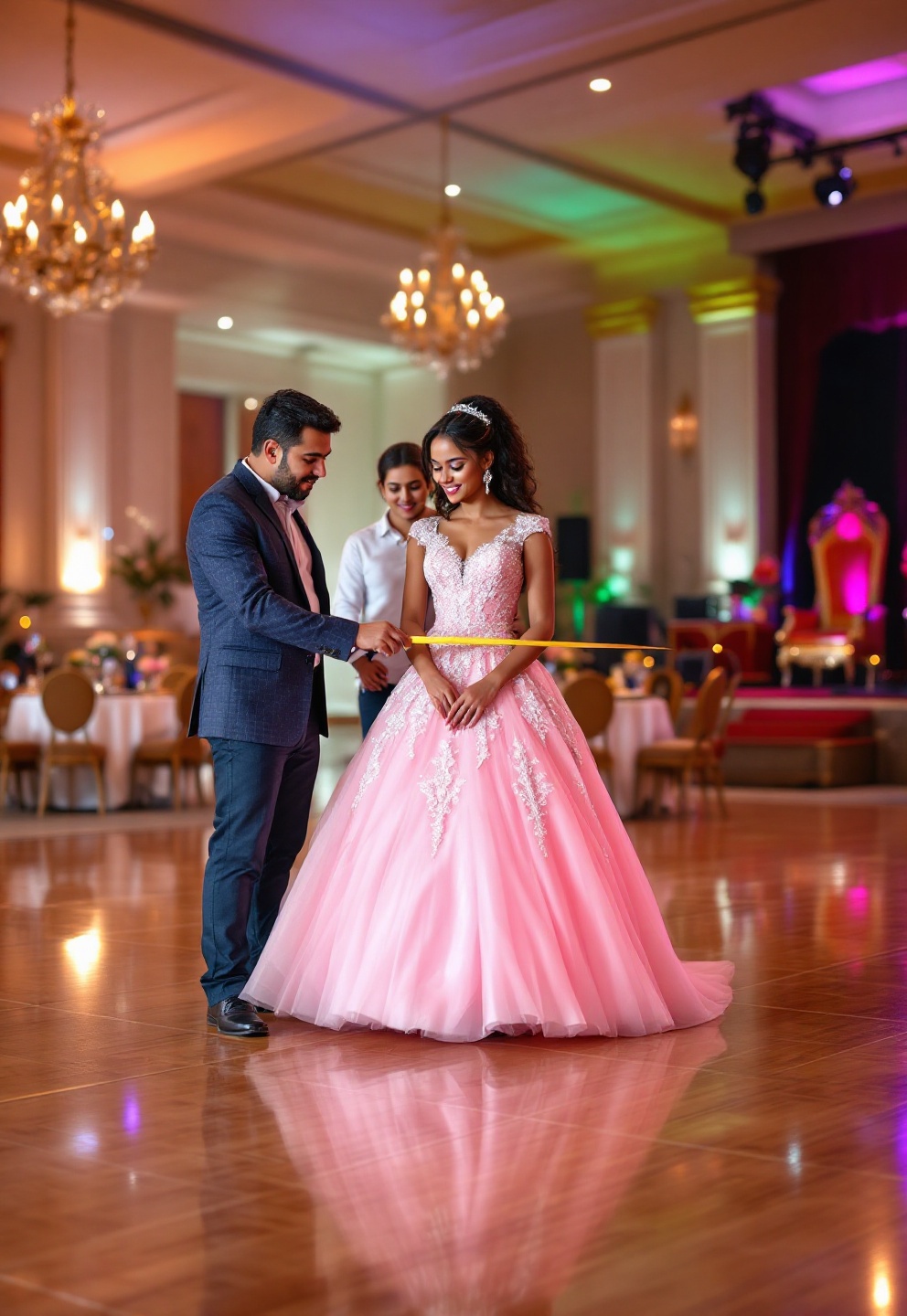
Use this checklist to quickly size up any quinceanera venue near me. Don’t guess—ask and measure at your tour:
- Square feet needed: 10–12 sq ft per guest (so for 200 guests + vendors, shoot for at least 2,400 sq ft seating space, plus…
- Dance floor: Minimum 400–600 sq ft (at least 20×20 ft) for 10 couples; 600–800 sq ft for 15+ couples or more choreographies
- Ceiling height: At least 10–12 ft (better: 12–16 ft for grand themes and visuals)
- Stage/DJ area: Band: 16×10 ft, DJ booth: 8 ft; need 3–4 dedicated 120V circuits; check for nearby outlets
- Rehearsal access: Ask for a full run-through before event day
- Changing room: Private space for the quinceañera (no using broom closets!)
- Parking: 1.5 cars per 10–12 guests minimum; should be lighted and secure
For detailed diagrams, see our Ultimate Event Planning Guide.
How families prioritize choices (budget, location, cultural authenticity, décor)
Most families do not start with themes—they start with the budget and practicalities.
- Affordability: Set your total spend and work backwards. Think about what padrinos can sponsor, but lock in the venue first since it’s the bulk expense.
- Location: Is it near your parish? Will tíos, abuelitos, and cousins need to drive across town on a Saturday night? Proximity matters most for older relatives.
- Cultural authenticity/Bilingual staff: If contracts are only in English and staff can’t guide you through waltz/surprise, expect confusion and stress.
- Décor & Ambience: This comes after the basics are in place. If budget is tight, pick a simpler space closer to home.
- Package convenience vs. customization: Busy parents (or those without vendor contacts) usually prefer all-inclusive. DIY is riskier, but may allow a more custom touch if you have experience.
General priorities: 1) Budget, 2) Location, 3) Cultural fit, 4) Visual impact, 5) Package vs. full DIY (event services research).
Concrete “red flags” and questions to ask on your site visit
Bring this checklist to every tour and phone call. Don’t be shy—write answers down or get a sample contract emailed to you in Spanish. Here are direct questions and instant red flags to look for in a quinceanera venue:
- Do you offer Spanish-speaking staff on event day and for contracting (“¿Tiene personal que habla español para coordinar el evento y el contrato?”)?
- How big is the dance floor (exact feet/meters)? Are there any columns, steps, or fixed furniture?
- Can I rehearse with my court on your real dance floor? When and for how long?
- Does the contract include time for setup, teardown, and transition after Mass?
- What menu options are available? Can we customize with traditional dishes? Any extra fee for outside food or late-night “antojitos”?
- Is there overtime? What does it cost per hour? Are there sound/curfew restrictions?
- How many parking spots? Do you have security included? Will there be another event right before/after ours?
- Is the contract and final invoice available in Spanish?
- Can I bring my own photo/video/DJ vendors? Is there an outside vendor fee, power drop charge, or insurance requirement?
- Can you show a sample timeline for a proper quince (entrada, court waltz, surprise dance, etc.)?
Sample venue timeline and run-of-show the venue should be able to run
If your all-inclusive quinceanera venue can’t run this order of events confidently, keep looking. Here’s a typical 7-hour quinceañera (after Mass):
- 1:00pm–3:00pm: Mass (church nearby)
- 3:00pm–3:30pm: Family photos at church/park
- 4:00pm: Arrival at venue, court finishes prep/changing, guests arrive
- 4:30pm: Formal entrance/entrada (DJ/MC announces each court pair and “la quinceañera”)
- 5:00pm: Dinner is served, light background music
- 6:00pm: Toast and formal dances (father-daughter, court waltz, padrinos, surprise dance, shoe/change/doll ceremony)
- 7:00pm: Cake cutting, photos, open dancing
- 9:00pm–11:00pm: Late night “antojitos” and dancing until curfew
The best venues coordinate the court lineup, manage music cues, cue food timing, and keep padrinos comfortable. Make sure your timeline, vendor info, and event coordination are available in both Spanish and English for your whole family.
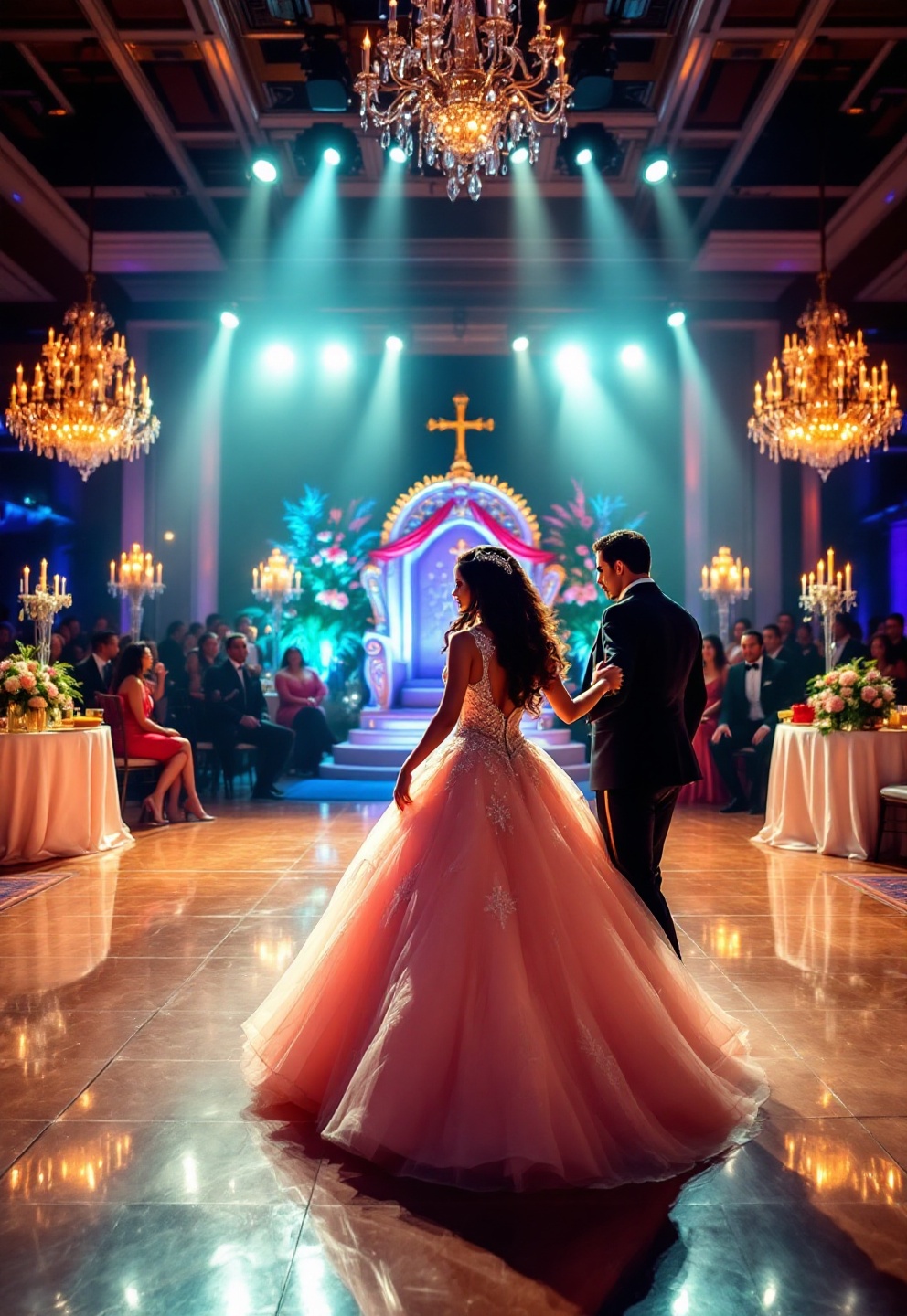
How to search and shortlist — using “quinceañera venue near me” effectively
Searching “quinceanera venue near me” works—if you know how to filter:
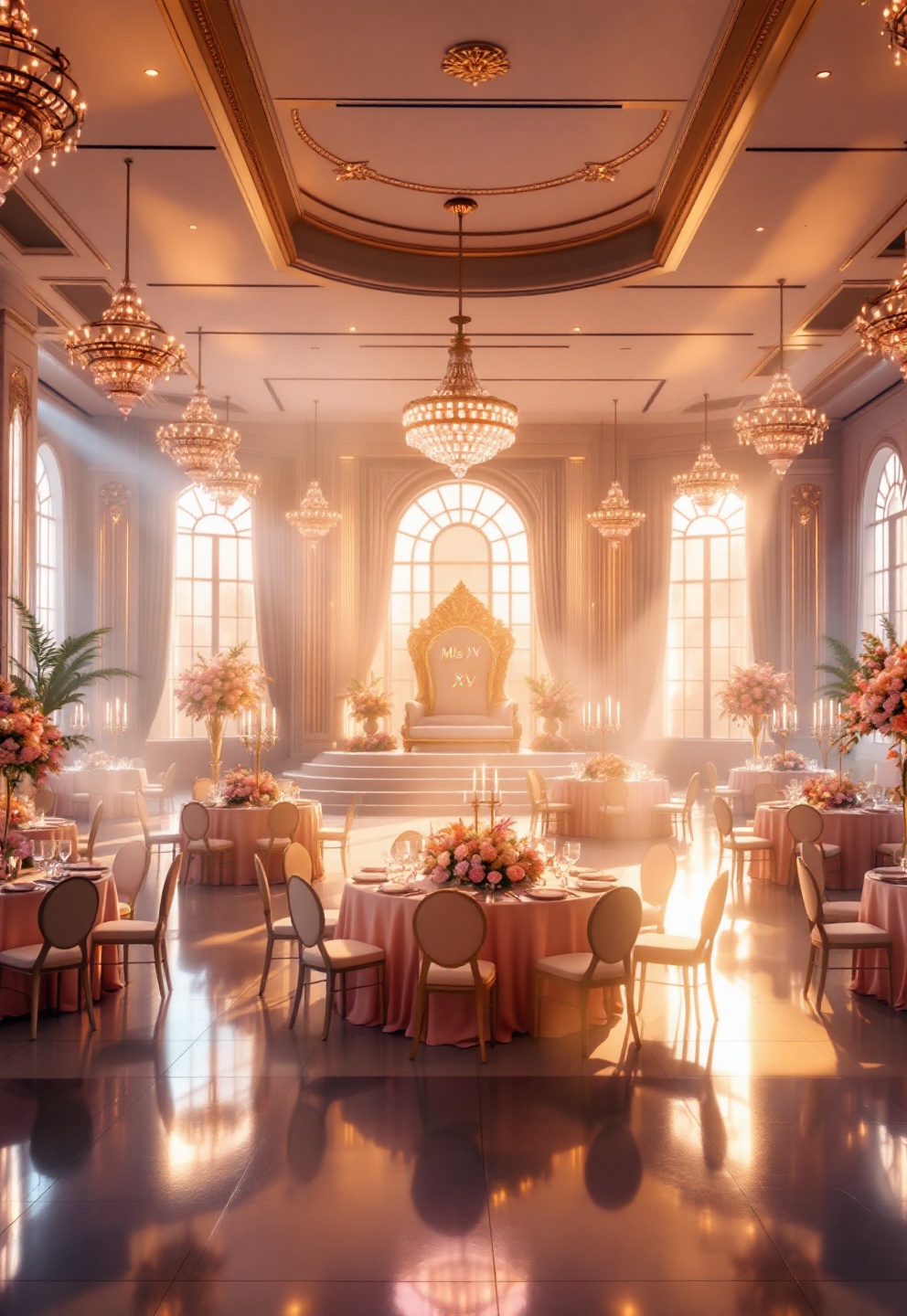
- Scan listings for photos that show a court, throne, large dance floor—not just banquet tables.
- Even better, check for Spanish-language options or “Mis XV” packages in web copy.
- Read reviews and filter for actual quince events. Look out for timeline complaints, poor dance space, lack of Spanish-speaking staff, or nickel-and-dime charges on overtime or desserts.
- Prioritize venues with clear quince-specific menus, bilingual contacts, and sample photos. Word-of-mouth still rules, but don’t skip vetting for fit with your specific family (abuelos, padrinos, little cousins).
Check community recommendations, church bulletins, and our curated product reviews for trusted vendor insights.
Content gaps to fill in this article (so the writer’s piece stands out)
Most blogs skip what matters most: technical specs, church logistics, and direct tools for families to plan like pros. Here’s what we cover that others miss:
- Detailed choreography needs and minimum technical requirements (square footage, ceiling height, power needs for bands).
- Bilingual (Spanish-English) questions checklist for vetting venues—even a downloadable version (ask for our PDF at the end).
- Sample cost worksheet (see above table) for modeling total ownership—not just the package price.
- How to link church Mass, transit time, photo stops, and hall rental window—usually missing from generic guides.
- If you want a deep dive or step-by-step event roadmap, check the Ultimate Event Planning Guide.
Closing — recommended next steps and CTA
Choose a quinceanera venue that honors your values and budget. Next steps:
- Download or print our venue measurement checklist (PDF, free by request—email us!)
- Shortlist three venues—and call each with our bilingual checklist. Ask direct questions on dance floor, staffing, timeline, and contract language.
- Lock in rehearsal access and confirm all details in writing (contract in Spanish if needed).
- If you want to simplify further, all-inclusive packages reduce risk for families who don’t have their own vendor network, even if they cost a bit more upfront—preferred by most families we surveyed.
If you want a hands-on tool to estimate real costs, see the event budget calculator. Need more ideas? Explore event inspiration ideas or read trusted product reviews. Your quince deserves no less.
FAQ
How far in advance should I book a quinceanera venue?
For in-demand dates and metro areas, book 12–18 months in advance if possible. Some all-inclusive quince venues have waiting lists a year out, especially from April to October.
Can I bring my own food or vendors to a quinceanera reception hall?
Many venues allow it for a fee, but others forbid outside food for insurance reasons. Confirm in writing—especially for traditional foods or homemade desserts.
What size dance floor is best for a quinceañera?
For 10 court couples (20 dancers), at least 400–600 sq ft. For 15+ couples, get 600–800 sq ft or more. Always measure or ask for the exact dimensions, not just the guest count.
Should I choose all-inclusive or book vendors separately?
All-inclusive is best for families with limited time or vendor contacts—it saves coordination risk. DIY offers more flexibility and sometimes lower price, but adds stress and requires more planning and vendor vetting.
What does a typical all-inclusive package include?
Usually: venue rental for 5–8 hours, catering, linens, basic decor, DJ, staffing, security, and cleaning. Extras (like upgraded desserts, special lighting, overtime, or outside vendor fees) are often additional, so ask and itemize.
Did you try this inspiration ?
There are no reviews yet. Be the first one to write one.